
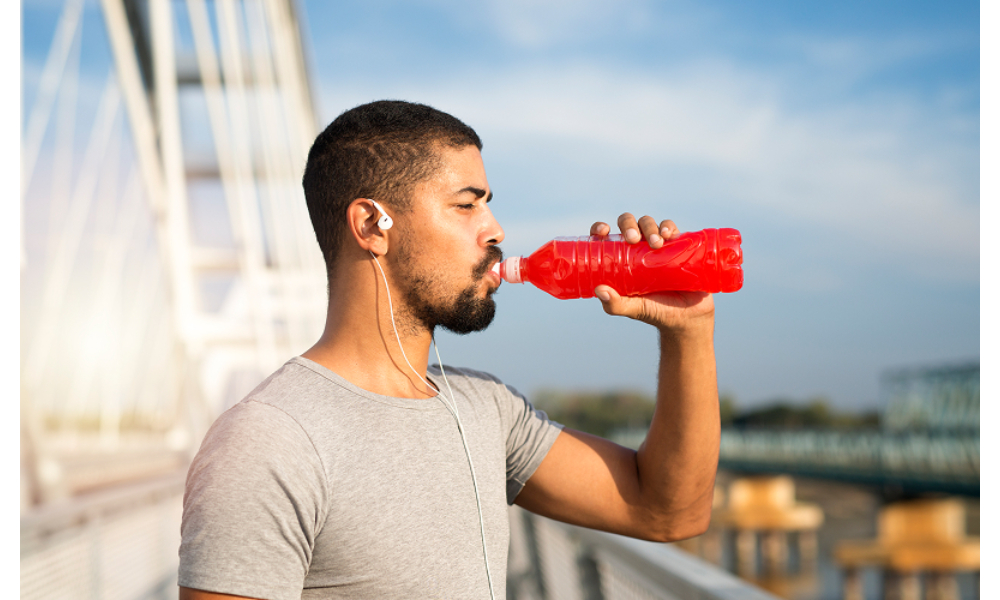
Electrolyte drinks often spark strong opinions, especially when people try to sort fact from assumption. Many reach for them without knowing how they actually work or why certain ingredients appear in the formula. Conversations about hydration tend to mix personal habits with half-remembered advice, which keeps misunderstandings alive. A clear explanation helps people choose drinks that support their routine with confidence. This introduction sets the stage by clearing up the common misconceptions that continue to circulate.
Myth 1: Electrolyte Drinks Work the Same Way as Any Other Beverage
Many people assume electrolyte drinks fall into the same category as regular hydrating drinks. This belief stays popular because the drinks look similar and often appear beside common beverages in stores. The reality is more specific. Electrolyte drinks support fluid balance through minerals such as sodium and potassium. These minerals help maintain nerve signals and muscle function. Studies on hydration repeatedly show that these minerals play a clear role in regulating the movement of fluids in the body.
This difference explains why some people reach for these drinks after sweating. The body loses both water and minerals during physical activity, and replacing both keeps balance steady. These facts help clear up the idea that all drinks hydrate in the exact same way.
Myth 2: Sugar Makes Electrolyte Drinks Unnecessary
Sugar gets criticised often, leading some to believe that any drink containing it loses its value. In electrolyte drinks, sugar plays a practical role by helping the body absorb sodium through the intestinal wall. This function supports faster fluid movement into the bloodstream. Research on glucose-sodium transport explains why certain formulations use controlled amounts of sugar.
This does not mean high-sugar drinks suit every person. It simply means sugar holds a purpose in specific situations. Athletes who sweat heavily may benefit from this balance. Others may prefer lower-sugar options. Someone selecting an electrolytes drink in Singapore will see a range of blends designed for different needs.
Myth 3: Sodium in Electrolyte Drinks Is Always Bad
People often link sodium to unhealthy eating habits, creating a belief that its presence in drinks is harmful. In hydration science, sodium plays a different role. It helps the body manage fluid levels, especially when sweating causes noticeable mineral loss.
Studies on fluid retention show that sodium helps maintain balance by reducing the risk of dizziness or weakness during heat or exercise. Electrolyte drinks list sodium amounts clearly, allowing buyers to choose what suits their routine. For those comparing options, an electrolyte drink in Singapore often includes transparent labelling for easy decision-making.
This does not erase the usefulness of hydrating drinks like water. Water supports daily needs well. Electrolyte drinks simply offer a more targeted option when mineral loss becomes an issue.
Myth 4: Electrolyte Drinks Are Only for Heavy Exercise
Another common myth is that these drinks only make sense during high-intensity sports. While athletes use them often, heat, long outdoor days, and warm indoor work can also increase mineral loss. Even casual physical activity may create enough sweat for the body to benefit from added minerals.
This does not mean everyone needs electrolyte drinks all day. It means the body’s needs shift based on activity, weather, and personal habits. In warmer regions, choosing an electrolyte drink in Singapore can be helpful on busy or outdoor days to maintain comfort.
Myth 5: Electrolyte Drinks Fix Fatigue Instantly
Some assume that these drinks provide instant relief for tiredness, muscle soreness, or dullness. Electrolytes help restore natural balance, but they cannot solve every concern. Their strength lies in offering predictable support for muscle function and energy use.
Scientific evidence shows that hydration affects mental clarity and physical comfort. Balanced mineral levels support nerve communication and basic movement. These effects come from normal body processes, not dramatic changes. People choosing hydrating drinks can plan their intake realistically and stay comfortable throughout the day.
Newer formulations focus on improving taste, stability, and absorption. These improvements come from ongoing research in hydration science without relying on exaggerated claims.
Myth 6: All Electrolyte Drinks Offer the Same Benefits
Another widespread idea is that every electrolyte drink works identically. Formulations vary widely. Some focus on rapid rehydration. Others prioritise taste, mineral ratios, or sugar levels. These differences help users select drinks that match their routine instead of relying on a one-size-fits-all mindset.
A range of options exists, from flavoured hydrating drinks to specialised mixes. When people understand the purpose behind each formulation, choosing becomes easier and expectations stay realistic.
Stay Informed and Sip Smart
Electrolyte drinks become more useful once the myths are out of the way. Sugar plays a role. Salt supports stability. Different blends serve different needs. This clear view helps people choose drinks that support their goals, whether they prefer general hydrating drinks or something more targeted like an electrolyte drink in Singapore. Contact True Hydration to learn how smart hydration can support comfort and performance throughout your day.