
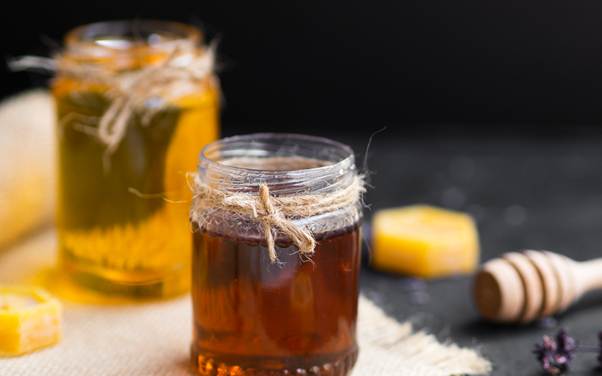
Nowadays, mad honey has become popular worldwide for its unique properties and long history of use. Often referred to as hallucinogenic honey, it is produced by bees that feed on certain species of rhododendron flowers with grayanotoxins, which are natural compounds known to affect the nervous system. While it’s traditionally used in parts of Nepal and Turkey for its medicinal and euphoric effects, its growing popularity has led to questions about legality, safety, and regulation in other countries. Before purchasing mad honey, it’s crucial to understand the product’s legality and what to expect when consuming it responsibly.
What Is Mad Honey?
Mad honey looks and tastes similar to regular honey but carries unique characteristics due to the plants from which the nectar is sourced. The rhododendron species that produce this honey contain grayanotoxins, which can create a mild hallucinogenic or intoxicating effect when consumed in small amounts. Historically, communities in Nepal and Turkey have used it for medicinal purposes, such as treating hypertension, digestive issues, and fatigue. However, excessive intake can lead to side effects like nausea, dizziness, and, in extreme cases, low blood pressure.
Because it is considered hallucinogenic honey, consumption and trade are often monitored in some regions. While it remains legal in most countries when imported as a natural food product, restrictions may apply if it is marketed for recreational use or contains high levels of active compounds. It’s essential to source mad honey from reliable suppliers that provide laboratory-tested batches to ensure safety and quality.
Health and Safety Considerations
Even though mad honey is natural, individuals must consume it responsibly. The grayanotoxins that give it its distinctive effects can also cause unpleasant reactions if taken in excess. Mild doses may produce a feeling of warmth or light euphoria, while overconsumption can result in dizziness, vomiting, or irregular heartbeat. Anyone with pre-existing health conditions, particularly related to the heart or blood pressure, should consult a healthcare professional before trying it.
Authentic hallucinogenic honey producers often recommend consuming only small spoonfuls at a time and avoiding daily intake. Buyers should also ensure the honey is sourced directly from verified regions such as Nepal or the Black Sea area of Turkey. Brands that provide batch testing and transparent sourcing, such as Maddest Mad Honey, give consumers confidence that their product meets quality standards and safe toxin levels.
Legal Status Around the World
The legality of mad honey varies by country. In Nepal and Turkey, where it originates, production and sale are legal and regulated as part of local trade. These countries recognise it as a traditional natural product rather than a controlled substance. In contrast, regions such as the United States, the United Kingdom, and parts of the European Union do not have specific laws banning it, but may restrict its sale if labelled as hallucinogenic honey.
Buyers should understand that legality often depends on intent and concentration. Small quantities intended for culinary or wellness purposes are typically allowed, but marketing them for psychoactive effects can attract regulatory scrutiny. To avoid legal issues, consumers should always check import rules and purchase only from trusted brands, such as Maddest Mad Honey, which clearly disclose product content and origin.
Responsible Sourcing and Ethical Practices
Due to increasing demand, some suppliers have begun mass-producing mad honey without following ethical or sustainable beekeeping practices. In areas where rhododendron growth is limited, overharvesting can disrupt local ecosystems and harm bee populations. Consumers should prioritise brands that support responsible sourcing and fair trade.
In Singapore and other markets where hallucinogenic honey is gaining attention, reputable sellers ensure their products comply with food import regulations. They typically work with local authorities to maintain safety standards while preserving the cultural heritage of traditional mad honey harvesting. Purchasing from certified retailers guarantees that the honey is both authentic and legally distributed.
Conclusion
Mad honey remains legal in most parts of the world when purchased for personal use and from verified sources. However, its hallucinogenic honey properties mean that consumers should approach it with care and awareness. Understanding its legal status, potential effects, and sourcing methods is crucial for safe enjoyment. With reputable brands like Maddest Mad Honey, buyers can experience this unique product with ease, knowing it meets both ethical and safety standards.
Experience the authentic taste and natural properties of mad honey responsibly. Contact Maddest Mad Honey to order today.