
Key Takeaways
- Surgery fixes the structural problem, but physiotherapy restores the actual function and strength of the limb.
- Early movement after an operation is critical for preventing blood clots and excessive scar tissue formation.
- Post-operative rehab is a phased process that respects the biological healing timelines of your tissues.
- Working with a specialist ensures you don’t overexert yourself too early or “under-move” and become stiff.
Introduction
When a surgeon says, “The operation was a success,” it is a moment of huge relief. You have made it through the hardest part, right? Well, not exactly. Think of surgery as the foundation of a house; it is essential, but you can’t live in a house that only has a foundation. You still need the walls, the roof, and the plumbing. In medical terms, that “construction” is your rehabilitation. Post-surgical physiotherapy is the bridge between a successful operation and getting back to your normal life. Whether it was a knee replacement, a shoulder repair, or spinal surgery, your body has just undergone a controlled trauma. It needs to be taught how to move again without the “glitches” that caused the problem in the first place. Recovery is a marathon, not a sprint, and your physiotherapist is your coach for every mile.
Managing the Immediate Post-Op Phase
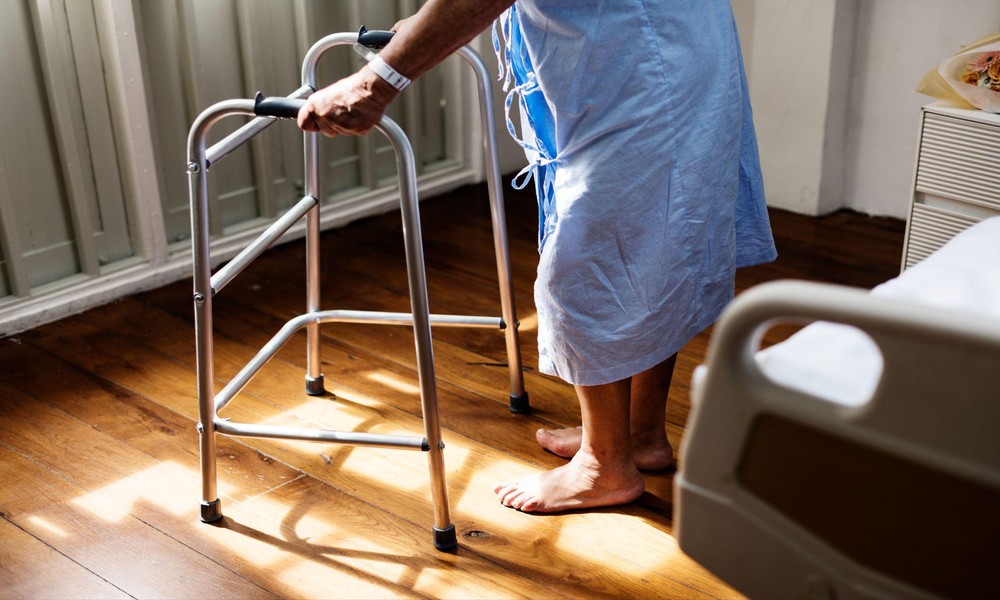
The first few days and weeks after surgery are often the most challenging. You are likely dealing with swelling, some pain, and a fair amount of “brain fog” from the anaesthesia. This is when post-op physiotherapy begins, sometimes as early as 24 hours after the procedure. The initial goals are simple but vital: get the blood flowing and keep the joints from “freezing up.” You might be given gentle “ankle pumps” or breathing exercises to do in bed. It might feel like you aren’t doing much, but these small movements are your best defence against complications like deep vein thrombosis (DVT) or pneumonia. Your therapist will also show you how to get in and out of bed or use a walker without stressing your incisions. It is all about safety and steady progress.
The Battle Against Scar Tissue and Stiffness
As your incisions heal, your body starts laying down collagen to close the gaps. This is scar tissue. While we need it to heal, scar tissue is naturally quite stiff and “sticky.” If you don’t move enough during this phase, that tissue can bind to muscles and nerves, leading to long-term stiffness. Post-surgical physiotherapy uses manual techniques to keep these tissues supple. Your therapist might use gentle “scar massage” or passive stretching to ensure your joint regains its full range of motion. Have you ever seen someone who had knee surgery but can’t quite straighten their leg months later? That is often due to a lack of early, guided movement. We want to make sure your “new” joint or repaired ligament doesn’t just work-it works smoothly.
Restoring Strength and Proprioception
Once the initial “protective” phase is over, the focus shifts to building back the muscle you likely lost while waiting for surgery. Muscle atrophy happens surprisingly fast; a week of inactivity can significantly weaken your quads or glutes. Post-op physiotherapy involves a gradual “loading” of the muscles. You start with isometric exercises (clenching the muscle without moving the joint) and slowly progress to weight-bearing movements. Another crucial element is proprioception-your brain’s ability to “talk” to your joints. Surgery often disrupts the tiny sensors in your ligaments that tell your brain where your foot is. Through balance drills and coordination exercises, you “re-wire” these connections. This is what makes you feel “stable” again when walking on uneven ground or taking the stairs.
The Psychological Aspect of Recovery
Let’s be honest: rehab is hard work. There are days when you will feel frustrated, tired, or even scared that you might “break” something. This is where the value of a professional therapist really shines. They provide the emotional support and the objective data to show that you are getting better, even when it doesn’t feel like it. They help you navigate the “fear of movement” that many post-surgical patients experience. By setting small, achievable goals-like walking to the end of the block or being able to reach the top shelf-they keep you motivated. Post-surgical physiotherapy isn’t just about tendons and ligaments; it is about rebuilding your confidence in your own body. You have been through a lot; it is okay to take it one day at a time.
Conclusion
Surgery is the “reset button” for your physical health, but post-surgical physiotherapy is the “play” button. Skipping your rehab is like buying a high-performance car and then never taking it out of the garage. By committing to the process, you ensure that the surgeon’s hard work doesn’t go to waste. It takes patience, a bit of sweat, and a lot of consistency, but the result-a return to the life you love-is worth every single repetition. Your body is remarkably resilient; it just needs the right map to find its way back to full health.
To ensure your recovery is on the right track, get in touch with The Movement Laboratory for a personalised post-surgical plan.