

Picking between tin and aluminium cans might seem like a small thing, but it actually makes a big difference depending on what you are packaging or storing. If you have ever found yourself wondering about this, you are in the right place. Let us dive into the world of cans, peeling back some layers to see when tin shines and when aluminium gets the spotlight.
When it comes to tin vs aluminum, the debate is not just about looks or weight. Aluminium is known for being lighter, corrosion-resistant, and pretty much the go-to for beverages like sodas and beers. But tin has its own charm; it is tougher against dents, offers better protection against air and moisture, and plays well with certain foods that aluminium might react to. You can contact global packaging experts like uCan-Packaging to make the right choice as per your exact needs and budget.
Why Choose Tin?
Tin cans are not just old-fashioned relics; they pack a punch in many areas that matter:
- Durability: Tin is stiffer, which means it resists dents and punctures better. That is why your canned soup or vegetables often come in tin containers.
- Barrier protection: They provide excellent protection against oxygen and moisture. This helps keep food fresh longer, preventing spoilage.
- Non-reactive coating: Foods that are acidic or prone to reacting with metals, like tomatoes or fruits, do better in tin cans because of the protective lining.
- Recyclability: Tin cans are fairly easy to recycle and reuse, making them a decent choice for eco-conscious companies.
That said, tin is heavier weight compared to aluminium, which means shipping costs can be a bit higher. Also, the manufacturing takes a bit more effort and cost too, so it is a balance.
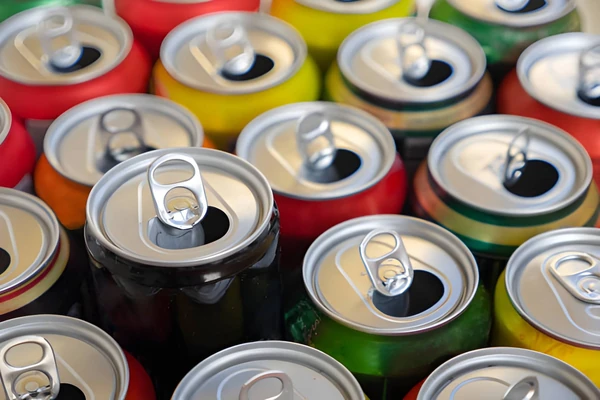
When to Pick Aluminium Instead?
Aluminium cans rock in a different league, especially for drinks and lightweight packaging needs:
- Super light: Aluminium is much lighter, so it is perfect for drinks, reducing transportation emissions and costs.
- Corrosion resistance: Aluminium naturally forms a protective oxide layer, which keeps it safe from rust and wear.
- Cost-effective for mass production: It is a bit easier and cheaper to manufacture aluminium cans in huge volumes.
- Cool touch: Ever noticed how aluminium cans chill your drink faster? That is a neat bonus, especially in hot places.
Still, aluminium does not stand up as well to rough handling or acidic foods without special coatings.
So, When Should You Use Which?
- Use tin cans when packaging food that is sensitive to metals or needs longer shelf life, like canned veggies, soups, or sauces.
- Go for aluminium if you are bottling drinks or need lightweight, corrosion-resistant packaging that is easy on transportation costs.
Choosing the right can is about weighing what is important to you – durability, cost, environmental footprint, and the type of content.
In the end, understanding the strengths and limitations of each material helps you make a smarter packaging decision. Whether you choose tin or aluminium, consider your product’s needs, production process, budget, durability, and customer expectations before making the final choice.