
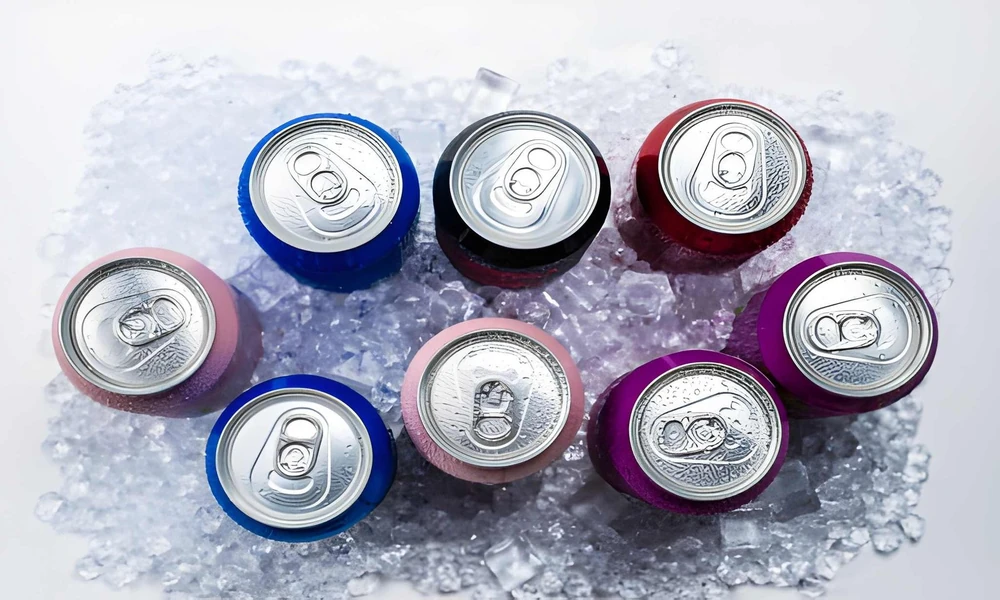
Walk down any supermarket aisle, and you will notice metal packaging everywhere. From canned vegetables and coffee to confectionery and specialty products, metal containers continue to play an important role in product protection and presentation. What many people do not realize is that these containers come in a surprisingly wide variety of sizes, shapes, and designs.
If you have questions like what are tin cans made of, you will find detailed answers on Aluminum Packaging Blog. It is a valuable online resource for packaging information, industry trends, and practical insights. The blog explains that modern tin containers are typically produced using steel coated with a thin layer of tin, creating packaging that is both durable and resistant to corrosion.s
Why So Many Types of Tin Cans Exist
Different products have different packaging requirements.
A coffee manufacturer has different needs than a candy brand. Likewise, a food producer may require packaging that differs significantly from a company selling decorative gift items.
As a result, manufacturers produce a wide range of metal containers designed to balance:
- Product protection
- Shelf appeal
- Storage efficiency
- Transportation requirements
- Consumer convenience
Common Tin Can Shapes
One of the easiest ways to classify metal containers is by their shape.
1. Round Cans
These are among the most widely used options.
Round containers offer:
- Strong structural performance
- Efficient manufacturing
- Easy stacking and storage
They are commonly used for food products, beverages, and powdered goods.
2. Rectangular and Square Cans
These designs maximize storage space and can create a distinctive appearance on retail shelves.
They are often selected for:
- Cookies
- Tea products
- Gift packaging
- Specialty foods
3. Specialty Shapes
Some manufacturers create unique designs to support branding efforts.
Examples include:
- Heart-shaped containers
- Oval designs
- Decorative gift tins
- Custom promotional packaging
These options help products attract attention and create a memorable customer experience.
Understanding Different Sizes
Tin containers are available in numerous sizes depending on product volume and usage requirements.
Common categories include:
- Small containers for candies and mints
- Medium-sized packages for coffee, tea, and snacks
- Large food-storage containers
- Industrial and bulk packaging solutions
The appropriate size often depends on product weight, shelf-life objectives, and consumer preferences.

s
Different Lid and Closure Designs
Container functionality often depends on the closure system.
Popular options include:
- Easy-open ends
- Pull-tab lids
- Snap-on covers
- Screw-top designs
- Reusable closures
These features are selected based on convenience, product type, and intended use.
Typical Applications
Metal containers are found across many industries, including:
Their versatility allows manufacturers to package both everyday necessities and premium products effectively.
Final Thoughts
Tin cans come in a remarkable variety of sizes, shapes, and designs, making them suitable for everything from food and beverages to confectionery, cosmetics, and promotional products. Whether a business needs a compact container for mints, a decorative gift tin, or a large storage solution, there is a format designed for that purpose.
Understanding the available options helps manufacturers select packaging that improves product protection, enhances shelf appeal, supports branding objectives, and creates a better overall experience for customers.