
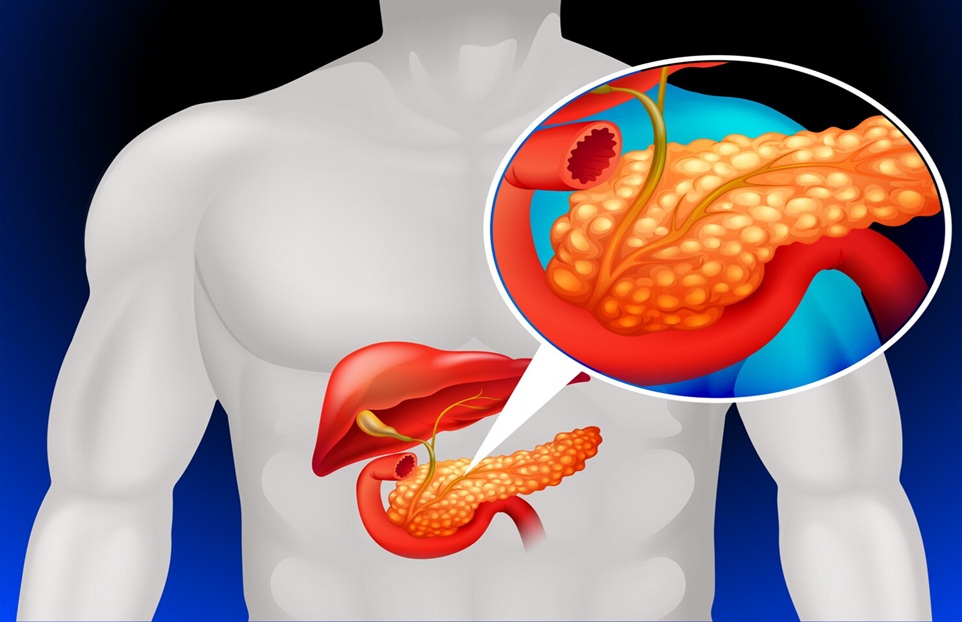
Pancreatic cancer is one of the most challenging cancers to detect and treat, often progressing silently until it becomes life-threatening. It carries a five-year survival below 10% largely because it typically presents late. When tumours are located in the head of the pancreas, the Whipple surgery is commonly recommended to improve survival. While the procedure is complex, timely diagnosis and preparation can make a significant difference in outcomes. This guide aims to help you understand what the surgery involves, when it’s needed, and how to approach the next steps with confidence, whether for yourself or a loved one facing this critical diagnosis.
Understanding Whipple Surgery
The Whipple operation, medically known as a pancreaticoduodenectomy, is a complex surgery used to treat cancers located in the head of the pancreas. It may also be recommended for tumours affecting the bile duct, duodenum (the first part of the small intestine), or the ampulla of Vater. Although the term may sound unfamiliar, the Whipple procedure has become a standard approach for early-stage pancreatic and periampullary cancers. It remains the only potentially curative operation for the 15–20% of patients with resectable tumours in that region. In many cases, it offers a chance at long-term survival when performed on time.
During the Whipple procedure, the following organs or parts are typically removed:
- The head of the pancreas
- The gallbladder
- A portion of the bile duct
- The duodenum
- Often the distal (antrectomy) portion of the stomach is also removed.
After removal, the surgeon reconnects the remaining parts of the digestive system to restore function. This surgery is considered intricate due to the pancreas’s deep location and its proximity to major blood vessels. However, with advances in surgical techniques and supportive care, outcomes have improved in recent years. Understanding what the Whipple operation involves can help patients and families feel more informed and confident when exploring treatment options.
When Is the Whipple Operation Needed?
The Whipple operation is most commonly recommended for patients with a tumour in the head of the pancreas or in nearby structures. While pancreatic cancer is the primary reason for this surgery, it may also be used in other serious conditions that affect digestion or bile flow.
Some of the common reasons include:
- Pancreatic head cancer, especially when detected early
- Ampullary cancer, which arises where the bile duct and pancreatic duct meet
- Distal bile duct cancer
- Duodenal cancer, located in the upper part of the small intestine
- Chronic pancreatitis with complications, such as a narrowing of ducts or cancer-like changes
- Certain benign tumours or cysts that behave aggressively
For the Whipple procedure to be a viable option, the disease usually needs to be confined to the local area without significant spread or involvement of major blood vessels. In some cases, chemotherapy or radiotherapy is offered before surgery to shrink the tumour and make the operation safer. Understanding when this operation is needed can help individuals and families make informed decisions at the right time, with guidance from specialists.
What Happens if the Procedure is Delayed?
Delaying the Whipple operation can have serious consequences, especially for individuals diagnosed with pancreatic or related cancers. Each month’s delay can increase the risk of local progression beyond resectability by approximately 5–10%. The procedure is often recommended when the tumour is still localised and resectable. Waiting too long can allow the cancer to grow or spread, significantly reducing the chances of successful surgical removal and long-term survival.
Risks of Delay Include:
- Cancer Progression: Tumours in the pancreas, bile duct, or duodenum can become more invasive over time, spreading to surrounding vessels or organs.
- Increased Complications: Symptoms such as jaundice, digestive problems, or weight loss may worsen, affecting the patient’s overall health and ability to tolerate surgery.
- Pain and declining quality of life: Advanced disease may cause persistent pain, weight loss, and fatigue.
- Limited Treatment Options: Once the disease advances beyond a certain stage, surgery may no longer be possible, and the focus shifts to palliative care.
If symptoms such as unexplained weight loss, yellowing of the skin or eyes, or persistent upper abdominal discomfort occur, consult a gastroenterologist promptly to assess the need for timely intervention. Early surgical planning can provide the best chance for a favourable outcome.
Preparing for the Whipple Procedure
The Whipple procedure is a major abdominal surgery, and preparing for it involves both physical and emotional readiness. Patients and families should understand what to expect before, during, and after the operation to support smoother recovery and improved outcomes.
Key steps in pre-operative preparation include:
- Detailed medical evaluation
A thorough assessment of overall health is necessary, including imaging scans, blood tests, and nutritional evaluations. With the convenience of a blood test at home, patients have an easier way to receive accurate results for their doctor’s review. This helps determine whether surgery is the right approach and if any risk factors need to be managed beforehand.
- Discussion with the surgical team
Surgeons typically explain the extent of the procedure, potential risks, and benefits. This is also the time to ask questions and express concerns.
- Nutritional and lifestyle planning
Good nutrition helps the body heal faster. Patients may be advised to gain strength through a balanced diet and, if needed, address weight loss or nutritional deficits before surgery. Pre-operative nutritional optimization – aiming for albumin >3.5 g/dL – reduces postoperative morbidity.
- Post-operative expectations
Recovery from the Whipple procedure can take several weeks. Patients may need to stay in the hospital for 1 to 2 weeks, with complete recovery extending over 6 to 8 weeks or more. Temporary digestive issues, fatigue, and changes in appetite are common.
- Support system
Emotional support and a reliable care network at home are important, especially in the initial weeks after discharge.
Choosing the right time and place for surgery plays a key role in recovery. Hospitals with advanced surgical facilities and experienced multidisciplinary teams can significantly improve outcomes. If you or a loved one is facing the possibility of undergoing this operation, consult with a trusted gastroenterologist to assess suitability for surgery and receive personalised guidance.
When to Consult a Gastroenterologist
Pancreatic conditions often progress silently in their early stages. Recognising specific warning signs and seeking timely medical advice can make a significant difference in treatment outcomes. Knowing when to consult with a gastroenterologist is essential, especially if you or a loved one may be at risk for pancreatic, bile duct, or duodenal cancer.
Red-flag symptoms
Pay attention to the following symptoms, particularly if they persist or worsen:
- Unexplained weight loss
- Loss of appetite
- Persistent upper abdominal pain or discomfort
- Yellowing of the skin or eyes (jaundice)
- Dark-coloured urine and pale stools
- Ongoing nausea or vomiting
- Sudden onset of diabetes without a known cause
These signs may indicate issues involving the pancreas or surrounding structures that warrant further medical evaluation.
Importance of early evaluation
An early diagnosis not only improves the chance of a successful Whipple procedure but also helps reduce the risk of cancer spreading or becoming inoperable. A gastroenterologist can:
- Assess the severity of symptoms
- Recommend appropriate imaging and diagnostic tests
- Coordinate with surgical teams if the Whipple operation is indicated
- Guide patients through pre- and post-operative care
If any of the symptoms mentioned above are present, do not delay seeking help. Taking early action with the support of a qualified specialist can lead to more treatment options and better outcomes.
Is Whipple Disease Related to the Whipple Procedure?
While evaluating treatment options, some patients come across similarly named terms that may cause confusion. One such example is Whipple disease – a rare bacterial infection that primarily affects the small intestine and can lead to symptoms such as malabsorption, weight loss, and joint pain. In contrast, the Whipple procedure (also called pancreaticoduodenectomy) is a major surgical operation used to treat cancers of the pancreas, bile duct, and duodenum. You may also hear about Whipple’s triad, which refers to a group of findings used to diagnose insulinoma – a rare tumour of the pancreas. This, too, is unrelated to the Whipple operation. Understanding these distinctions is essential to avoid confusion and focus on the most relevant medical information when discussing pancreatic cancer and surgical options.
Final Word
When facing a serious diagnosis like pancreatic cancer, early awareness and timely surgical intervention can make a meaningful difference in outcomes and quality of life. The Whipple operation, though complex, remains a life-extending option when performed in the right setting with the right support. If you or someone close is navigating this journey, consider seeking care at a facility equipped with advanced surgical capabilities and experienced gastro specialists. Personalised treatment begins with an informed consultation.