
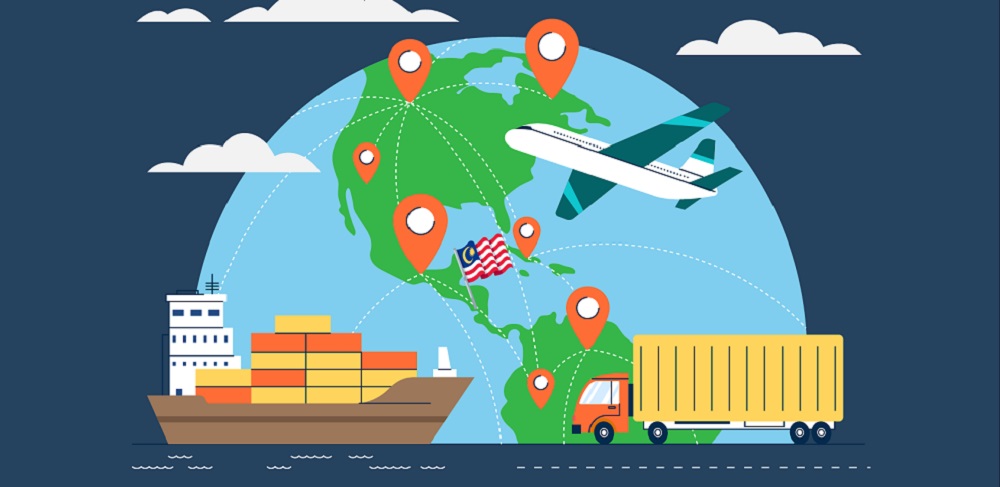
Free trade zones in the UAE have become a cornerstone of the country’s economic strategy, fostering growth, innovation, and international trade. These zones provide unique opportunities for businesses to operate with fewer restrictions, enabling them to thrive in a competitive global marketplace. This article explores the economic impact of free zones in the UAE and how they contribute to the overall development of the nation.
What Are Free Trade Zones?
Free zones in the UAE are designated areas where businesses can operate with specific regulatory advantages. These zones are designed to attract foreign investment and encourage entrepreneurship by offering incentives such as 100% foreign ownership, tax exemptions, and streamlined procedures for business setup. This unique environment allows companies to import and export goods with minimal barriers, making it easier for businesses to establish themselves and grow.
The economic impact of free zones in the UAE extends beyond the immediate benefits to individual businesses. They play a significant role in boosting the overall economy of the UAE by attracting foreign direct investment (FDI) and generating employment opportunities.
Boosting Foreign Investment
One of the most notable impacts of free zones in the UAE is their ability to attract foreign investment. The liberal business environment, coupled with the strategic location of the UAE as a gateway to the Middle East, Asia, and Africa, makes it an attractive destination for international companies. By establishing a presence in free zones, businesses can tap into the local market and expand their operations across the region.
This influx of foreign investment has far-reaching effects on the economy. It leads to the development of infrastructure, such as roads, ports, and logistics facilities, which further enhances the country’s appeal as a business hub. Moreover, increased foreign investment contributes to the growth of the local economy, generating revenue and creating jobs.
Creating Employment Opportunities
Free zones in the UAE not only attract businesses but also create numerous employment opportunities for the local workforce. As companies establish their operations in these zones, they require skilled professionals to support their growth. This demand for talent leads to the creation of jobs across various sectors, including logistics, technology, finance, and manufacturing.
The emphasis on job creation is particularly important for the UAE, which aims to diversify its economy and reduce dependence on oil revenues. By fostering industries within free zones, the country is not only generating employment but also investing in the skills and expertise of its workforce. This focus on human capital development contributes to a more resilient economy.
Encouraging Innovation and Entrepreneurship
Free zones in the UAE are designed to promote innovation and entrepreneurship. Many of these zones are home to startups and tech companies that benefit from a supportive ecosystem, including incubators, accelerators, and networking opportunities. This environment encourages creativity and collaboration, enabling entrepreneurs to develop new ideas and solutions.
Moreover, the flexibility offered by free zones allows businesses to adapt quickly to market demands. Entrepreneurs can experiment with their products and services, fostering a culture of innovation that is crucial for economic growth. As more startups emerge, they contribute to the diversification of the economy, reducing reliance on traditional industries.
Facilitating Trade and Logistics
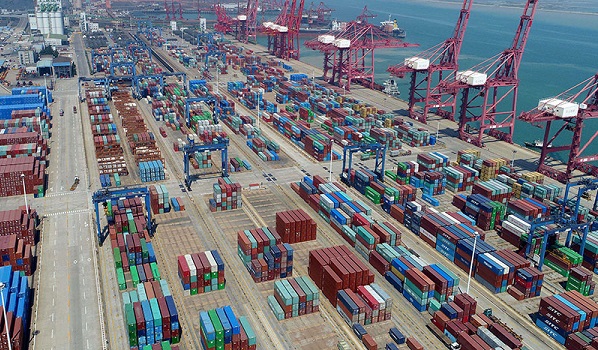
The strategic location of free zones in the UAE enhances the country’s role as a global trade hub. These zones are often located near major ports and airports, providing businesses with easy access to international markets. This logistical advantage facilitates the import and export of goods, allowing companies to operate efficiently and effectively.
By simplifying customs procedures and reducing tariffs, free zones promote international trade and strengthen the UAE’s position in the global economy. This increased trade activity not only benefits businesses within the free zones but also contributes to the overall economic growth of the country.
Enhancing Economic Diversification
One of the primary goals of the UAE’s economic strategy is to diversify its economy. Free zones play a critical role in achieving this objective by attracting businesses from various sectors, including technology, manufacturing, and services. By fostering a diverse range of industries, free zones help reduce reliance on oil and gas revenues, creating a more sustainable economic model.
This diversification is essential for the long-term growth and stability of the UAE economy. As more industries develop within the free zones, the country becomes less vulnerable to fluctuations in global oil prices and other external factors. This resilience is crucial for maintaining economic stability and promoting growth.
Conclusion
The economic impact of free zones in the UAE is profound and multifaceted. By attracting foreign investment, creating employment opportunities, encouraging innovation, facilitating trade, and enhancing economic diversification, these zones contribute significantly to the overall development of the country.
For entrepreneurs and businesses, free zones in the UAE offer a unique opportunity to thrive in a supportive environment. The combination of strategic advantages and incentives creates a vibrant landscape for economic activity, making the UAE an attractive destination for companies looking to establish a presence in the region.
As the UAE continues to invest in its free zones, the economic benefits will likely grow, further solidifying the country’s status as a global business hub. By leveraging the advantages offered by free zones, businesses can contribute to the ongoing success and diversification of the UAE economy, ensuring a prosperous future for all.