
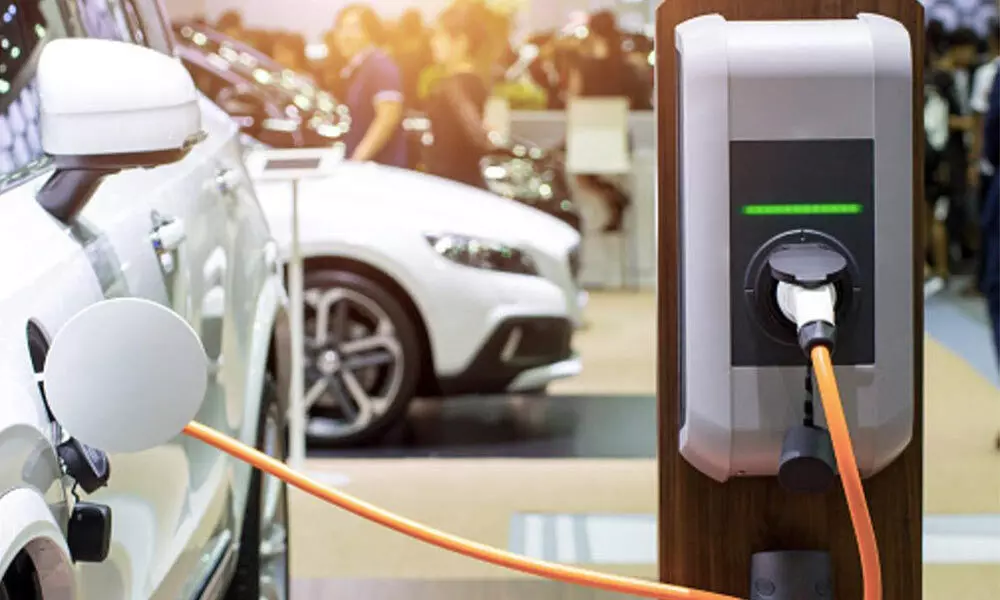
Electric vehicles are becoming a mainstream choice for daily commuting, family travel, and long-distance driving. As EV adoption grows, insurance decisions are also changing, especially for drivers who want strong protection without paying for coverage they may not need. For many owners, Second-class EV insurance (ประกัน รถไฟฟ้า ชั้น 2, which is the term in Thai) offers a smart middle ground, balancing cost and coverage to fit real-world driving patterns.
Understanding the “class” system is essential. While each provider can define package details differently, second-class plans are generally designed to cover key risks beyond basic liability, often including protections for collisions and damage under specified conditions. The value is most noticeable for EV owners who want more than minimum protection but do not necessarily require the highest tier of coverage for every scenario.
One reason this matters for EVs is that repair costs can be unpredictable. Even minor body damage may involve sensors, cameras, or specialised parts, which can increase the final bill. In addition, EV supply chains and authorised repair networks may affect turnaround time and costs. Choosing Second-class EV insurance can help reduce the financial shock from common incidents, especially when the vehicle is used frequently in urban traffic, tight parking areas, or mixed road conditions.
Drivers should also consider lifestyle and usage. An EV parked in a secure private garage and driven mainly on short routes may face a different risk profile than an EV used daily for business, ride-sharing, or frequent highway travel. Second-class coverage can be attractive for owners who want meaningful accident protection while keeping premiums manageable. For newer drivers, city commuters, and families sharing one EV, the coverage structure may feel more practical than either the lowest-cost plan or an expensive top-tier option.
When comparing policies, it helps to focus on what impacts total value. Premium cost is essential, but so are deductibles, claim conditions, exclusions, and repair partner networks. EV owners should read the policy to understand how it handles accident scenarios, third-party involvement, and the repair process. Transparent terms and an easy claims experience often matter as much as the coverage list. Some drivers review options on platforms like Heygoody to compare and better understand EV-focused insurance options.
Finally, the best decision is the one that fits the driver’s risk tolerance and budget. The ideal plan supports confident driving while keeping monthly or annual costs sustainable. For many EV owners, Second-class EV insurance can provide that balance, delivering broad everyday protection without the extra price tag of the most comprehensive packages.