
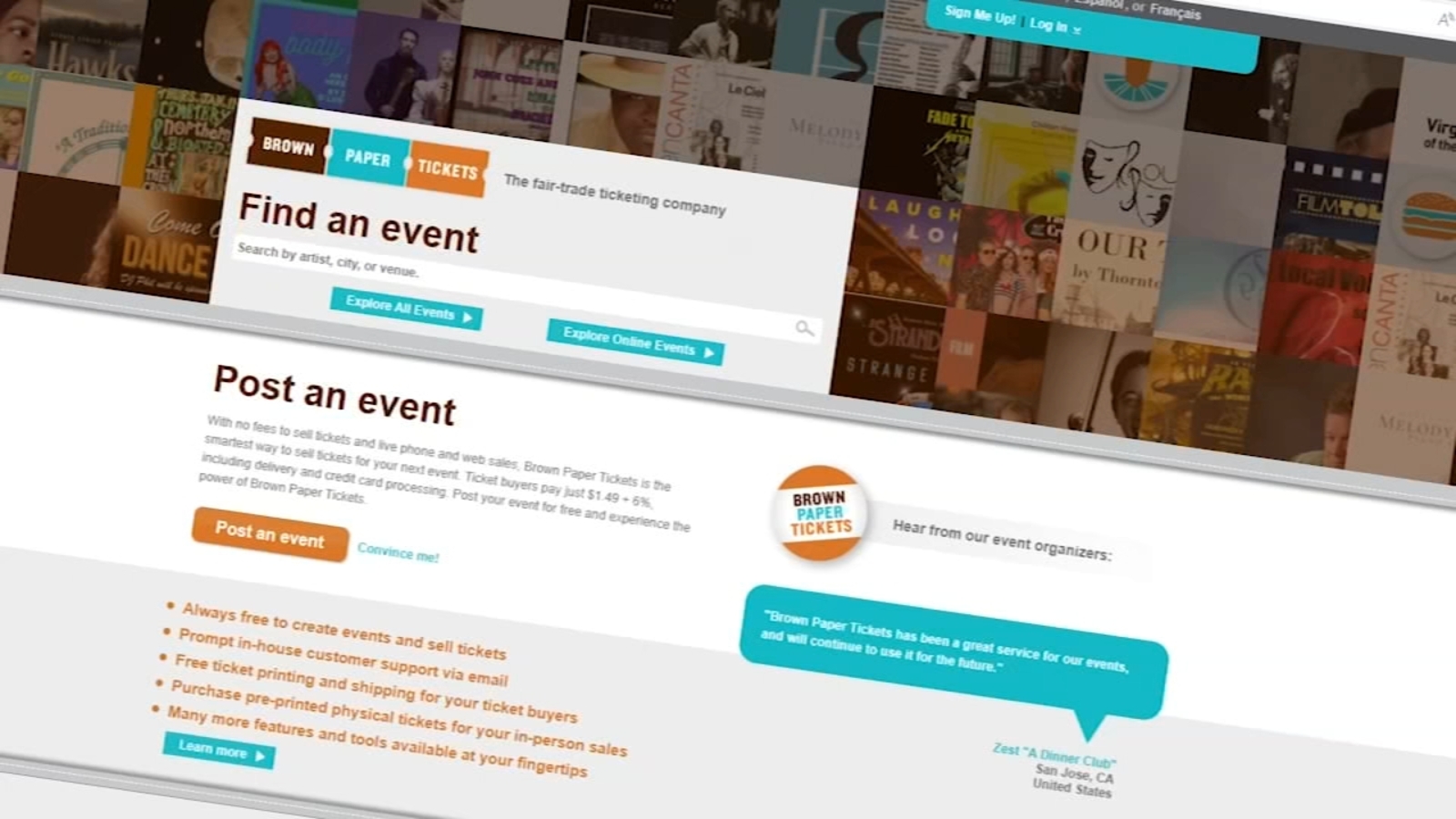
Event organizers have long relied on ticket sales as their main revenue stream, but today’s landscape calls for more agile, audience-centered models. Rising production costs, shifting audience behavior, and the growing demand for customization are reshaping how revenue is generated. Platforms like Brown Paper Tickets, a ticketing service offering digital tools for seamless and sustainable event planning, help organizers build flexible pricing structures and offer features that support nontraditional funding models.
Now more than ever, a smart financial strategy means looking beyond the gate. Creative revenue solutions not only sustain events but also deepen audience engagement, align with mission-driven goals, and offer tangible ways to deliver long-term value. Whether you’re planning a grassroots fundraiser or a multi-day hybrid expo, these approaches can help balance the books without compromising on purpose.
Pricing Models That Build Momentum
Tiered ticketing is a time-tested method that continues to prove effective. Early-bird pricing, VIP access, and group discounts help drive urgency and boost pre-event cash flow. This approach gives guests more choice and can stabilize attendance expectations long before showtime.
For community-based or nonprofit events, consider pay-what-you-can options. These models invite wider participation while still encouraging support from those who can give more. The perceived transparency of such systems often builds trust and goodwill, two things that can be just as valuable as cash flow. Incentivizing early commitment through flexible, value-driven pricing ensures more predictable revenue while giving organizers a clearer picture of turnout.
Digital Add-Ons with Real Impact
Virtual offerings are no longer a bonus, but they’re a revenue stream in their own right. From behind-the-scenes video content to premium livestream access and downloadable session recordings, digital exclusives appeal to guests who want more than just a seat in the room. These add-ons are particularly useful for hybrid events, where a global audience is willing to pay for premium access.
Add-on experiences can also be bundled creatively. Think branded content, one-on-one virtual meetups, or curated digital gift bags. The key is to offer something that complements the core event experience while remaining low on production costs. Even bonus Q&A sessions, speaker follow-ups, or pre-recorded panel recaps can deliver value without stretching your team too thin.
Smart Merch That Carries Meaning
Branded merchandise remains a classic revenue stream, but expectations have changed. Guests no longer want mass-produced plastic or forgettable swag. Instead, they’re seeking items that are well-designed, useful, and reflect the ethos of the event.
Small-batch collaborations with local artisans or sustainably sourced items, like reusable totes, enamel pins, or limited-edition prints, tend to be well-received. Organizers can boost appeal by incorporating emotional resonance. Merch that marks a shared memory, celebrates a milestone, or reflects the mission of the gathering tends to be well-received. When done well, merchandise turns into more than a memento, but it becomes a walking endorsement.
Using Tech to Make Giving Easier
At the midpoint of any revenue conversation, ease of transaction matters. Platforms like Brown Paper Tickets support donation-based ticketing, integrated checkout add-ons, and flexible pricing tools that allow organizers to experiment without additional overhead. These features make it simple to include donation prompts, tip jars, or gift-based contributions at the point of sale without complicating the guest experience.
During the event itself, QR codes and NFC technology enable fast, low-friction transactions for everything from food trucks to flash merch sales. Apps that house all purchases and access in one place also improve convenience while creating new upsell opportunities. When guests can act on their enthusiasm in real time, revenue flows more naturally.
Partner-Led Income Without Overreach
Sponsorships remain a key part of most event budgets, but traditional packages don’t always cut it. Today’s sponsors want meaningful placement, not just logo visibility. Think co-hosted workshops, curated content, branded lounges, or mission-aligned giveaways. Rather than chasing big-dollar sponsors, some organizers are tapping into smaller, value-aligned partners. Micro-sponsorships let local businesses, influencers, or community stakeholders get involved at a level that fits their capacity, while creating a wider network of advocates for your event.
These partnerships can also include in-kind support, such as catering discounts, AV gear loans, or cross-promotion that reduces marketing costs. By shifting the focus from pure cash contributions to value exchanges, organizers strengthen relationships and reduce reliance on a single funding source.
The Case for Content Licensing
Recorded content offers an asset that can be monetized well after the event closes for conferences, educational events, or speaker-driven programming. Subscription-based archives, downloadable resources, and paywalled access to breakout sessions create long-tail revenue streams that support future planning.
Some organizations go further by bundling event content into online courses or certification tracks. These options offer ongoing impact while expanding the brand’s reputation in professional or learning communities. It also extends the lifecycle of your programming, allowing content to serve multiple purposes across time and audiences.
Stabilizing Revenue Through Year-Round Engagement
Smart organizers understand that an event’s financial health doesn’t start or end with the show. Year-round community engagement via email, content drops, volunteer calls, and small pop-up activations keep your audience connected and your brand top of mind. These touchpoints can house donation prompts, early access offers, or mini campaigns that generate revenue before the next event is even announced.
Memberships, loyalty programs, or ambassador networks are another avenue worth exploring. When attendees feel like stakeholders, they’re more likely to support repeat events, recruit others, and spend more in the long run. These community-powered models can be as simple as a quarterly email or as robust as a full-fledged platform.
Closing the Loop with Smart Reporting
Whatever revenue model you choose, transparency and follow-up remain critical. Sharing how funds were used, what partners were involved, and what impact was created makes guests feel their contribution mattered. This feedback loop not only builds trust but also reinforces future buy-in. For mission-driven events, especially, being clear about financial goals, whether to cover costs, fundraise, or expand access, can turn revenue generation into a collective effort. Guests who understand where their money goes are more likely to give again and invite others to join them.
Designing Revenue with Purpose
Today’s most successful event organizers are building financial strategies that match their values. Revenue is no longer just about volume, but it’s about fit, meaning, and momentum. Platforms like Brown Paper Tickets offer the flexibility to test these strategies in ways that are accessible to organizers of all sizes. By offering thoughtful merch, digital experiences, and donation prompts alongside smart pricing models, events can meet their funding needs while creating meaningful experiences that stick. Financial sustainability and audience satisfaction no longer have to be at odds. When built with care, they go hand in hand.