
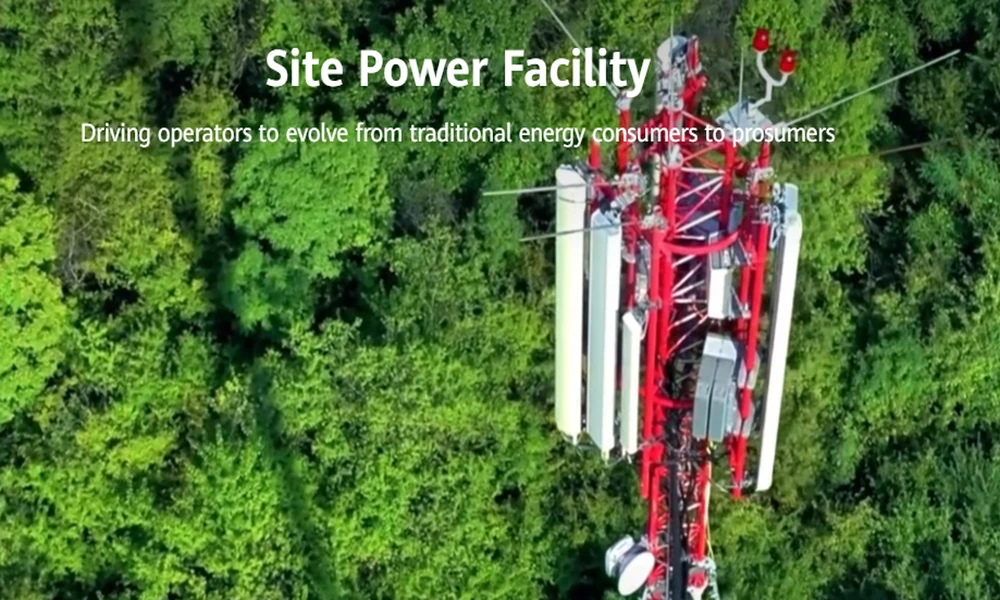
Core Technical Architecture of Huawei Telecom Power Solutions
Huawei’s telecom power supply portfolio is built on a modular, software-defined architecture that prioritizes energy efficiency, reliability, and adaptability. Unlike legacy systems relying on rigid single-unit designs, Huawei’s solutions integrate three core layers: power conversion, energy storage, and intelligent management, all connected via a unified software platform. The power conversion layer includes embedded systems (ETP48, ETP50 series), high-voltage direct current (HVDC) networks, and hybrid AC-DC units, using silicon carbide (SiC) semiconductors to achieve 96.5% conversion efficiency-10% higher than average legacy setups, cutting heat-related energy loss. The energy storage layer pairs lithium-iron-phosphate (LFP) batteries with smart management systems (BMS) that monitor cell health, temperature, and charge cycles to extend lifespan and prevent failures. The intelligent management layer, built on Huawei’s cloud-native IoT platform, lets operators monitor, adjust, and maintain power remotely across thousands of sites. This architecture scales seamlessly: small rural base stations use compact 10A wall-mounted units, while large core data centers deploy parallel rack-mounted systems up to 1000A, expanding without downtime. This flexibility is critical for 5G’s 3-5x higher power demand per site, plus edge computing’s localized needs.
Real-World Deployment Cases Across Regions
Huawei’s telecom power solutions have delivered tangible results across diverse global environments. In rural Bavaria, Vodafone upgraded its 5G infrastructure with 2,300 ETP48100-B1 units and LFP batteries, replacing unreliable diesel generators. The system’s intelligent load management cut energy use by 22% and reduced backup costs by 40%, eliminating outages that previously disrupted service for thousands of users. In Kenya, Safaricom deployed solar-hybrid Huawei systems for 1,500 Masai Mara base stations, replacing diesel that accounted for 60% of operational costs. The deployment extended coverage to 120 unserved villages, added 500,000 new users, and cut annual carbon emissions by 18,000 tons. In Australia, Telstra used Huawei’s HVDC setup for its Sydney CBD 5G core, reducing energy loss by 15% and ensuring zero downtime during 2022 network upgrades, avoiding $2 million in revenue loss. These cases highlight Huawei’s ability to tailor solutions to remote, urban, and everything in between.
Key Advantages Over Traditional Power Systems
Huawei’s telecom power systems outperform traditional alternatives in three critical areas: efficiency, reliability, and total cost of ownership (TCO). Energy efficiency stands out: legacy AC-DC systems operate at 85-90% efficiency, wasting 10-15% of energy as heat. Huawei’s modules hit 95-96.5% efficiency, saving over 100 GWh annually for a mid-sized operator with 10,000 base stations-enough to power 20,000 households. Reliability is another win: legacy systems use single components with limited redundancy, leading to unplanned downtime. Huawei’s redundant modules, hot-swappable parts, and AI predictive maintenance reduce downtime by 70% (per a 2023 Global Telecom Infrastructure Association study), with 0.01% annual downtime vs. 0.03% for legacy. For 5G’s time-sensitive services like autonomous vehicles, this is non-negotiable. TCO is also better: initial costs are 15-20% higher, but 10-15 year battery lifespans (vs. 5-8 for lead-acid) and lower maintenance cut 10-year TCO by 30-40%. A European operator saved $12 million by 2023, offsetting the initial premium in two years.
Future Innovations and Scalability Roadmap
Looking ahead, Huawei is shaping the next era of telecom power to support 6G, IoT, and sustainability goals. A 2025 roadmap introduces AI-powered power management that analyzes weather, traffic, grid stability, and renewable energy to dynamically adjust flows, adding 10% more efficiency. For dense urban 6G small cells, compact all-in-one units combine conversion, storage, and renewables in