
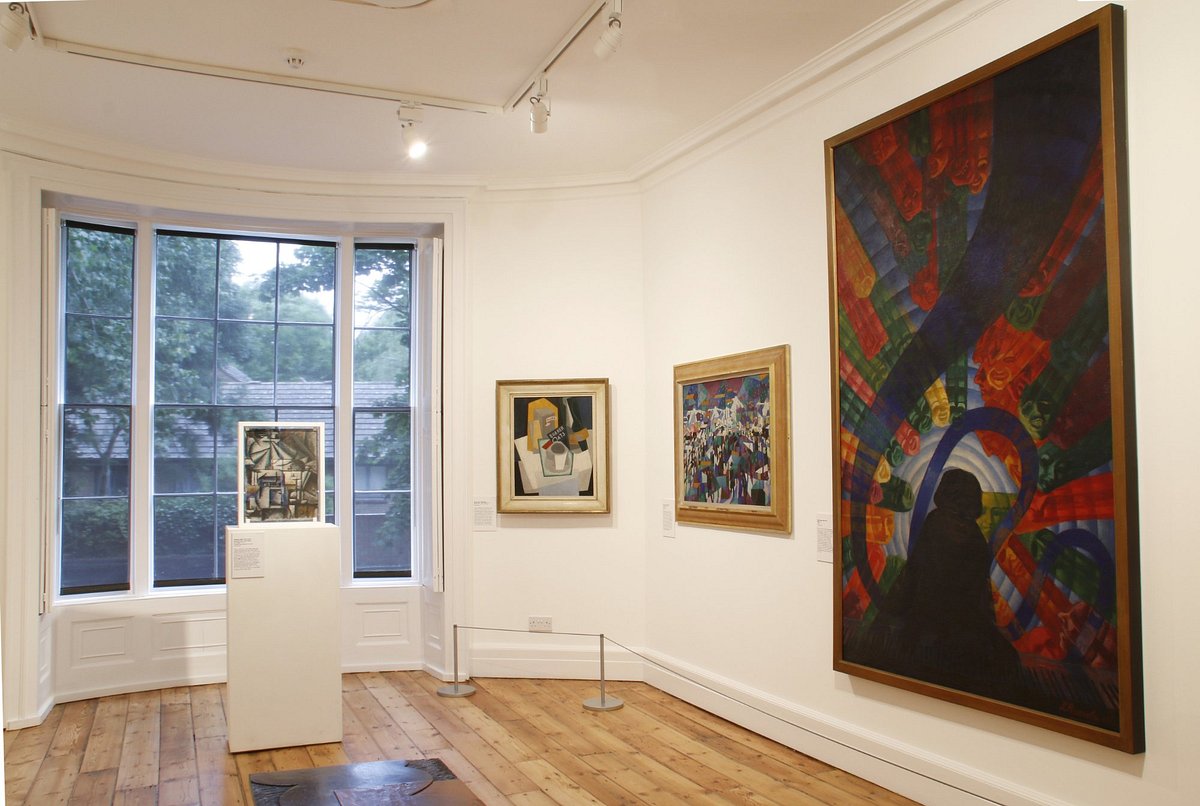
Collecting Italian modern art feels like treasure hunting, except the treasures hang on your walls and bring you joy. Italian artists have created some seriously amazing stuff that will completely change your home. You want pieces that make you stop and stare, not just expensive names that impress visitors. The whole point is to find art that connects with you personally while capturing that incredible creative energy that exploded across Italy after World War II.
Artists inspire passion
You’ll want to start with artists who really knew what they were doing back in the day. turcato is recognized for creating abstract pieces that actually feel approachable once you take time to see them. His canvases mix sharp angular forms with flowing curves that seem to dance together across the surface. Turcato proved that Italian artists could ditch boring traditional subjects and explore what happens when raw color hits people right in the emotions.
Different art movements in Italy each had their own flavor, like how different regions make unique pasta. The Forma 1 group, Arte Povera artists, and Spatialist painters couldn’t agree on anything when it came to what art was supposed to accomplish. Getting familiar with these different schools helps you narrow down what style speaks to you personally. You absolutely have to see the actual paintings though, since photographs never show you how thick the paint is or the way colors shift under different lights in the gallery space.
Authentic pieces matter
The fear of getting ripped off with fake art is every collector’s nightmare. Good art dealers will show you exactly where a painting has been. They will also show you who owned it before, and whether anyone touched it or restored it. It saves you from getting fooled by expensive fakes that look convincing at first. Knowing what condition problems cost to fix helps you negotiate fair prices instead of overpaying for damaged goods. Frames made during the artist’s lifetime have historical importance. Avoid rushing to replace them with something that fits your home decor, if the original is meaningful. If you’re spending serious money, having a conservation expert look at it saves you headaches down the road.
Budget guides choices
Beginners tend to benefit from the hard-won wisdom of experienced buyers. These friendships frequently open doors to purchase opportunities before artworks reach general sales. Forming ties with dealers who focus on Italian art often proves useful since they notify you when unique works arrive. Estate sales sometimes include treasures the family doesn’t know hold value, and local auctions may give better bargains than well-known galleries. Always record what you pay and make sure items are appraised for insurance coverage. This matters because your collection carries true worth even if it was bought for personal enjoyment.
Knowledge deepens appreciation
Italian art history will help you appreciate what you already own and spot opportunities for new purchases. Books and exhibition catalogues explain techniques that make individual pieces meaningful. Museum lectures and collector gatherings put you in touch with people with the same passion. Early access to product releases is often possible through personal connections. Keep notes about what you learn alongside photos of your collection, because all that knowledge becomes part of what makes your collection special.