
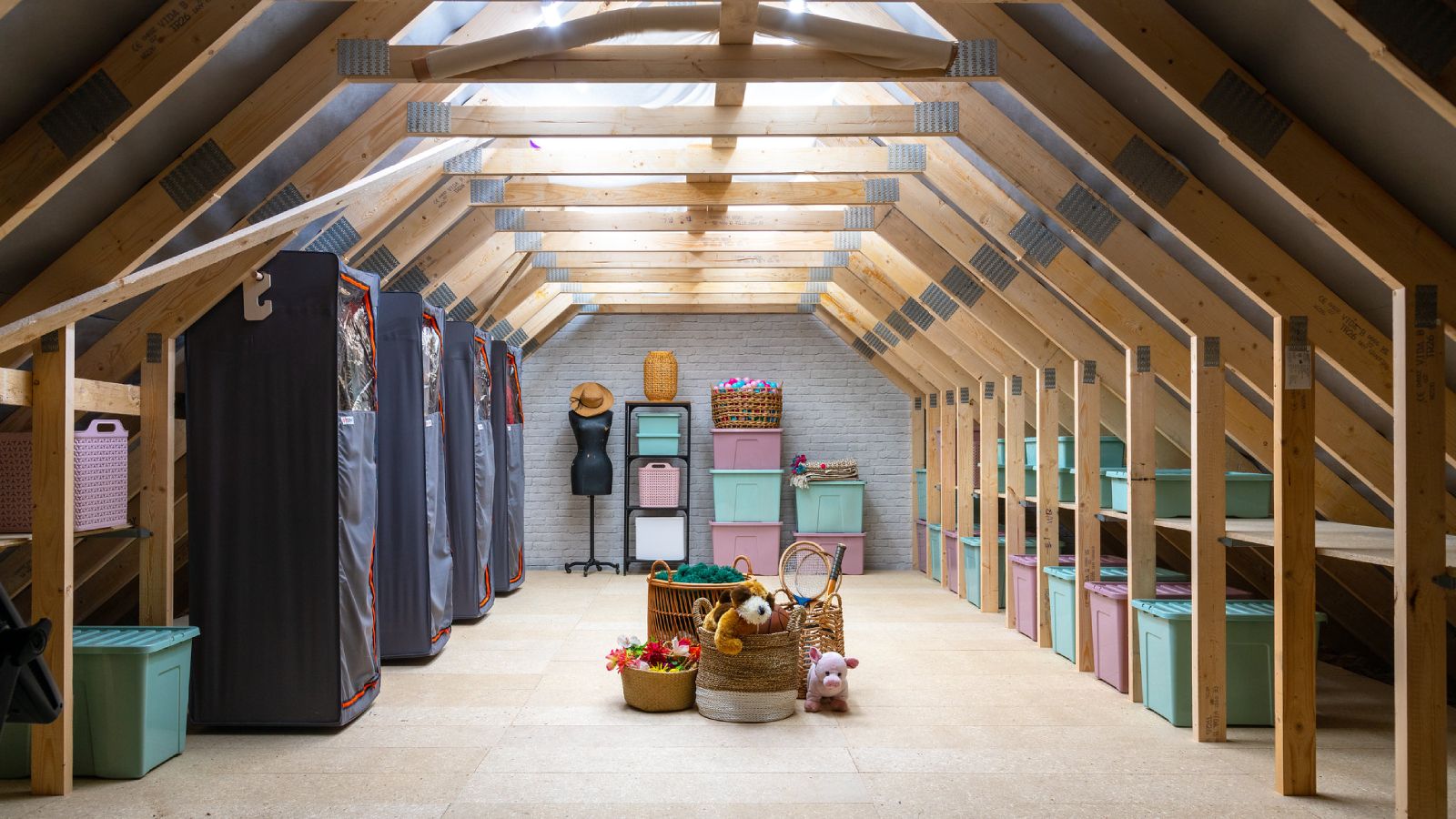
At some point, nearly every homeowner glances up at the attic hatch and wonders what could be. Once a graveyard for suitcases and long-forgotten decorations, lofts are now becoming sanctuaries of productivity, peace and purpose. And in 2025, with remote work now part of everyday British life, converting your attic into a home office isn’t just sensible—it’s essential.
Looking to transform unused space into a stylish and functional home office? This guide showcases real UK conversions that prove a loft can be more than just overhead storage.
Contents
- Why Loft Offices Are Booming in 2025
- Real-Life Loft Office Projects from UK Homes
- Benefits of a Loft Office Conversion
- Comparison Table – Loft Office Styles
- Planning Permission and Regulations
- FAQs on Converting a Loft into an Office
- Final Thoughts – Work from Home, Elevated
Why Loft Offices Are Booming in 2025
The traditional office commute is out, and the climb up the stairs is in. According to ONS data, nearly 43% of UK professionals work from home at least three days a week. For many, that kitchen table “desk” or the corner of the bedroom just doesn’t cut it anymore.
With professional loft builders like Dulwich Loft Conversions leading the charge in London’s South East, homeowners are breathing new life into underused spaces. Meanwhile, in West London, experts like Fulham Lofts are turning Victorian roof voids into fully-wired, design-led home offices.
Real-Life Loft Office Projects from UK Homes
Case Study 1 – The Writers’ Retreat, South London
A semi-detached home in Dulwich was struggling for peace and quiet with two children under five. A rear dormer conversion created a sound-insulated office with large Velux windows, bespoke oak shelving, and fibre broadband access—tucked above the bustle of family life.
Case Study 2 – The CEO Suite, West Kensington
This Fulham property transformed a low-pitch attic into a hybrid workspace with hidden storage and a fold-out guest bed. A hip-to-gable conversion gave the room its striking gable window, bringing natural light to a sleek, modern office.
Case Study 3 – The Eco Loft, Manchester Suburbs
Using sustainable materials and solar-powered lighting, this modest mid-terrace added an office via a Mansard conversion. The client now runs her consultancy from home, with stunning rooftop views and zero commute.
Benefits of a Loft Office Conversion
It’s not just about space—it’s about quality of life.
- Separation of work and home – Mentally and physically, this can’t be overstated
- Increased property value – Often boosts value by 15–20%
- Privacy – Especially vital for client calls or focused work
- Custom design – Built for your needs, not squeezed into an existing room
- Natural light and ventilation – Skylights and dormers create bright, healthy spaces
And let’s not ignore the sheer joy of closing a door at 5pm and leaving “the office” behind, even if it’s only 12 steps away.
Comparison Table – Loft Office Conversion Types
| Conversion Type | Ideal For | Approx. Cost (2025) | Natural Light Options | Planning Required? |
| Dormer | Terraced/Semi-detached homes | £40k–£55k | Vertical windows, skylights | Rarely |
| Hip-to-Gable | Semi-detached/end-of-terrace | £45k–£60k | Gable window + skylights | Sometimes |
| Mansard | Period/urban properties | £55k–£75k | French doors, Juliet balcony | Usually |
Data: Checkatrade and Homebuilding & Renovating 2025
Planning Permission and Regulations
Most loft offices fall under Permitted Development Rights, meaning no formal planning is required—provided you stick within volume and roofline limits.
However, you will need to comply with Building Regulations, covering:
- Structural integrity
- Insulation (especially acoustic)
- Ventilation and lighting
- Fire safety and escape routes
It’s worth checking with your local council or using the Planning Portal for your specific area.
FAQs on Converting a Loft into an Office
Do I need planning permission for a loft office?
Usually not. As long as the structure stays within Permitted Development guidelines, you’re likely in the clear.
Can I get internet and power up there?
Yes. Most conversions include new wiring, sockets, lighting and even hard-wired broadband or mesh Wi-Fi.
How long does a conversion take?
Typically between 6–10 weeks, depending on complexity and design choices.
What if I want to use it as a guest room too?
No problem. Many homeowners include sofa beds, fold-down desks or dual-use storage to maximise flexibility.
Is it worth the cost?
Absolutely. You gain a functional space and can add significant resale value—often making it a financially sound investment.
Final Thoughts – Work from Home, Elevated
A loft conversion isn’t just an architectural upgrade—it’s a lifestyle shift. It gives you room to think, room to breathe, and a space that reflects how we live and work in 2025.
Whether you’re a freelancer, remote manager, or juggling the school run with spreadsheet deadlines, your attic could be your greatest untapped asset.
Ready to stop making do and start working smarter? Let your loft rise to the challenge, and build a home office you’ll never want to leave.