
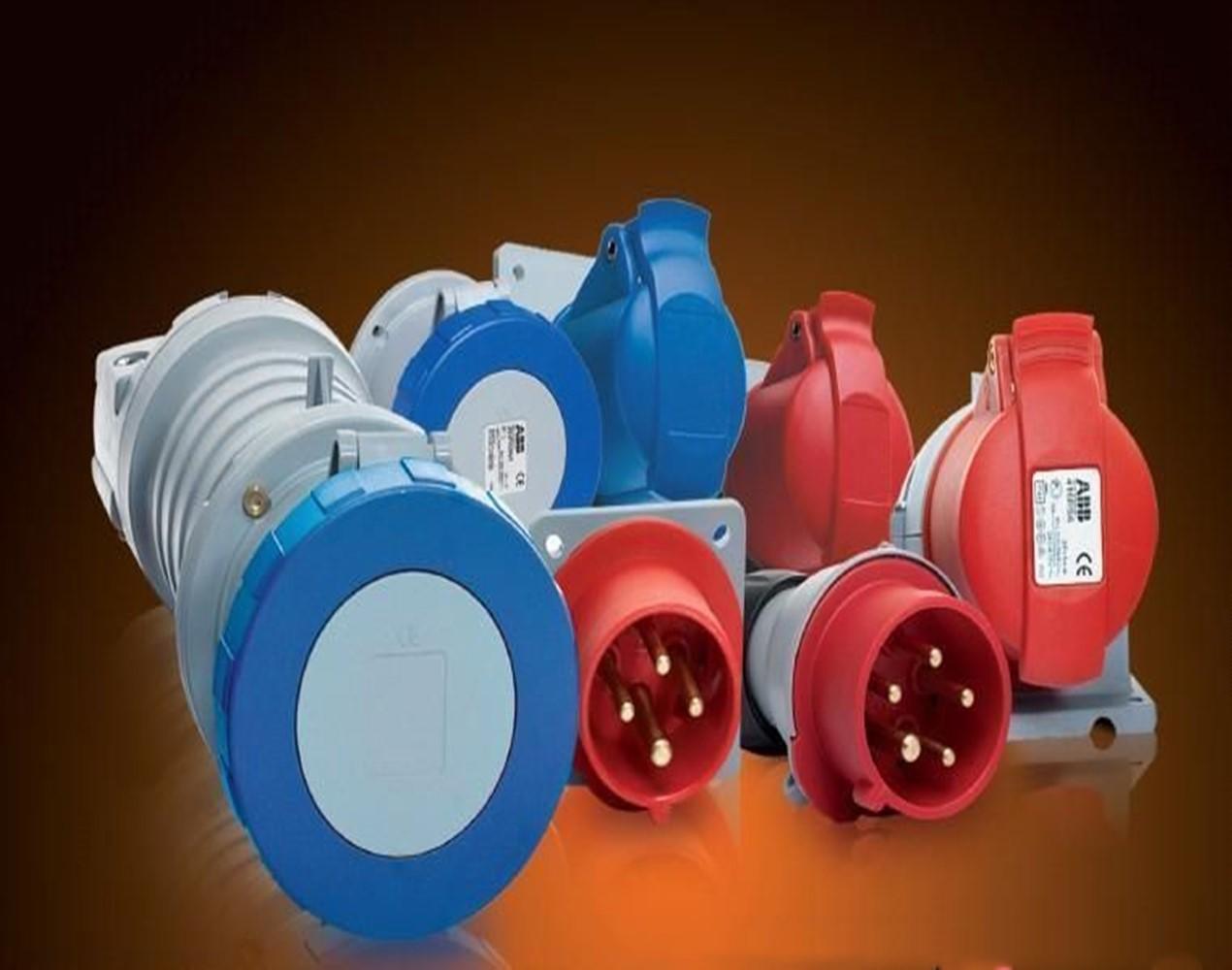
In every industrial setup from manufacturing plants and data centers to shipyards and construction sites reliability and safety in electrical connectivity are non-negotiable. And at the heart of this reliability are two deceptively simple components: the industrial plug and socket.
These connectors may appear ordinary, but they perform one of the most critical functions in modern power distribution ensuring consistent, safe, and efficient transfer of electricity in demanding environments. For electrical engineers, choosing the right configuration isn’t just a matter of compatibility; it’s a decision that impacts performance, safety, and long-term operational stability.
Understanding the Role of Industrial Plugs and Sockets
Unlike domestic connectors, industrial plug sockets are designed for high-current, heavy-duty applications. They must withstand harsh conditions moisture, dust, vibration, and temperature extremes while maintaining consistent electrical contact.
These devices are widely used across:
- Manufacturing facilities and machine shops
- Food processing units and cold storage plants
- Power distribution in events, workshops, and mobile setups
- Outdoor construction and mining environments
Their design prioritizes durability, insulation integrity, and secure locking mechanisms to prevent accidental disconnection — all vital to maintaining uptime and protecting both people and equipment.
Key Parameters Engineers Should Evaluate
Selecting the right industrial plug and socket involves balancing multiple technical and environmental factors. Here’s what professionals must evaluate before specifying a connector for any project:
1. Current and Voltage Rating
Determine the electrical load the system must handle. Industrial-grade connectors are typically available from 16A up to 125A and beyond, with voltage options of 110V, 230V, or 415V. Always match these ratings to the equipment’s operational requirements to prevent overheating or electrical faults.
2. IP Protection (Ingress Protection)
In industrial settings, moisture and dust are constant threats. Choose industrial electrical sockets with an IP rating suitable for the environment — for example:
- IP44: Protection against splashing water and general dust
- IP67: Protection against dust and immersion in water Higher IP ratings are essential for outdoor or washdown applications.
3. Material and Build Quality
The connector’s housing material plays a major role in safety and lifespan. Engineering plastics like polyamide or polycarbonate offer excellent insulation and impact resistance, while metallic casings are used in rugged or high-heat zones. Corrosion-resistant materials ensure performance even in humid or chemical-prone areas.
4. Temperature Resistance
Industrial environments often involve fluctuating temperatures. Verify that both the plug and socket are rated for the ambient and operational temperatures they’ll face. Heat-resistant contacts and robust insulation are key to maintaining safety under load.
5. Ergonomics and Design
Ease of use matters more than it seems. A well-designed industrial plug socket should allow quick connection and disconnection without compromising safety. Look for features like threaded or bayonet locking mechanisms, clear markings, and comfortable grips that minimize fatigue during installation or maintenance.
6. Compliance and Certification
Always ensure connectors meet relevant international and Indian standards such as IEC 60309 or IS/IEC 60309. Certified components guarantee adherence to performance benchmarks and safety parameters, reducing the risk of downtime or non-compliance penalties.
Common Mistakes to Avoid
Even experienced engineers can overlook small but crucial details when selecting connectors:
- Overrating components: Using a higher-rated plug and socket than required doesn’t increase safety — it can actually reduce contact efficiency.
- Ignoring the environment: Indoor-rated sockets in outdoor conditions lead to corrosion and short circuits.
- Mixing incompatible systems: Always ensure phase, pin configuration, and keying match your application.
- Neglecting maintenance: Industrial sockets require periodic inspection and cleaning to avoid carbon buildup and arcing.
Paying attention to these aspects helps avoid failures, electrical hazards, and unnecessary downtime.
The Role of Design Innovation in Industrial Connectors
Modern industrial plug and socket solutions go beyond basic functionality. Today’s designs integrate advanced insulation materials, ergonomic housings, and color-coded systems for easy identification of voltage and frequency.
Some manufacturers are also introducing:
- Modular assemblies for flexible panel integration
- Quick-lock mechanisms for faster field connection
- Enhanced sealing technology for improved IP protection
- Heat-dissipating contact designs for continuous heavy-duty operation
These innovations are making industrial connectivity safer, smarter, and easier to maintain — aligning with India’s growing demand for automation-ready electrical infrastructure.
India’s Expanding Industrial Landscape
As India advances in manufacturing, renewable energy, and smart infrastructure, the demand for reliable industrial electrical sockets is growing rapidly. From EV charging units to factory automation and logistics hubs, every sector now depends on precision-engineered connectors that can endure stress, vibration, and constant operation.
Domestic manufacturers are increasingly meeting these needs with globally competitive designs, offering cost-effective, certified products suited to Indian conditions. This evolution reflects a broader shift — from imported dependency to local innovation and engineering excellence.
Final Thoughts
In industrial engineering, reliability isn’t optional—it’s essential. A high-quality industrial plug, socket, or C19 C20 power cord may seem like a small component, but it plays a decisive role in ensuring operational safety, energy efficiency, and system uptime.
For electrical engineers, choosing the right configuration means thinking beyond specifications considering the environment, compliance standards, and future scalability. After all, every successful project depends not just on power, but on the integrity of the connections that deliver it.