
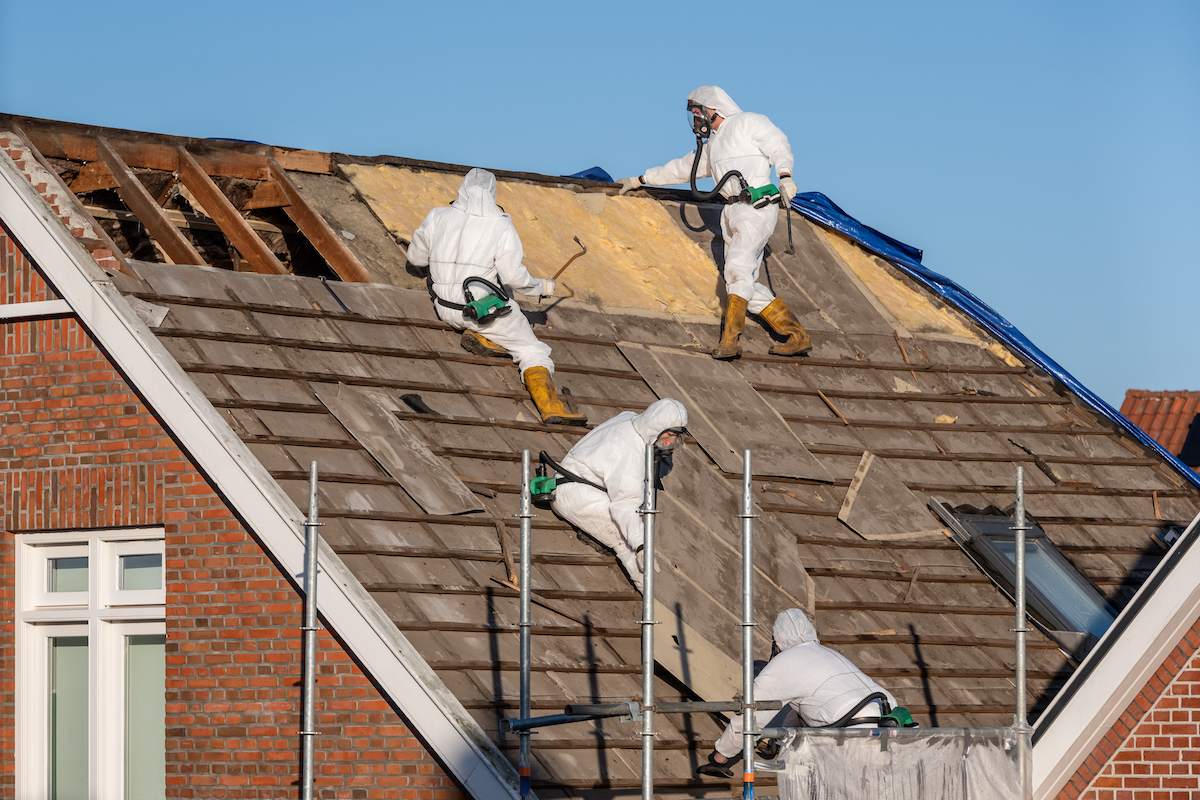
Asbestos—the word alone is enough to make surveyors flinch and property managers sweat. Once hailed as a “miracle material,” it’s now known as a silent killer. Found in thousands of buildings constructed before 2000, asbestos is still lurking in walls, ceilings, and flooring across the UK—hiding in plain sight.
The danger? It doesn’t wave a red flag. Asbestos doesn’t creak, crack, or smell. It sits quietly… until disturbed. And when it is, the microscopic fibres released can pose serious, even fatal, health risks.
For landlords, developers, and business owners, the risks aren’t just medical—they’re financial, legal, and reputational. The truth is, it’s always better safe than sorry when dealing with asbestos. Let’s uncover why ignoring it isn’t just risky—it’s downright costly.
Contents
- What Is Asbestos and Why Is It Dangerous?
- Where Asbestos Hides in Older UK Buildings
- The True Costs of Ignoring Asbestos
- Surveying Solutions: Prevention Is Priceless
- FAQs: Asbestos Risk, Removal and Responsibility
1. What Is Asbestos and Why Is It Dangerous?
Asbestos is a naturally occurring mineral used extensively in the UK until the late 1990s. It was prized for its fire resistance, strength, and insulation properties.
But here’s the kicker:
- When disturbed, asbestos releases fine fibres into the air.
- These fibres can be inhaled and remain lodged in the lungs.
- Long-term exposure can cause mesothelioma, asbestosis, and lung cancer.
According to the Health and Safety Executive (HSE), asbestos-related conditions are responsible for around 5,000 deaths a year in the UK—more than road accidents. Grim, isn’t it?
2. Where Asbestos Hides in Older UK Buildings
Think asbestos is just an issue for derelict warehouses? Think again. It’s found in countless commercial, industrial, and even domestic properties built before the year 2000.
Common hiding places include:
- Ceiling and wall panels
- Floor tiles and adhesives
- Pipe lagging
- Boilers and flues
- Roof sheets and gutters
- Fire doors and insulation boards
And here’s the rub: you can’t spot asbestos just by looking. It’s invisible to the untrained eye. That’s why professional surveys are critical before any refurbishment or demolition work begins.
3. The True Costs of Ignoring Asbestos
You might think you’re saving time and money by skipping an asbestos survey—but that false economy can come back to bite, hard.
| Consequence | Impact |
| Health risks | Exposure can lead to fatal illnesses for occupants, staff, or contractors |
| Legal action | Fines up to £20,000—and unlimited in Crown Court cases under the HSE |
| Project delays | Undetected asbestos halts refurbishments or demolitions instantly |
| Reputational damage | News travels fast—especially in a compliance-conscious world |
| Cleanup and remediation costs | Emergency removal is far more expensive than planned surveying |
In 2022, a construction company in London was fined over £90,000 for failing to properly manage asbestos during refurbishment works. That’s a pricey oversight.
4. Surveying Solutions: Prevention Is Priceless
At the heart of any safe refurbishment or demolition plan is a professional asbestos survey. It’s the difference between a smooth project and a regulatory minefield.
Types of asbestos surveys available:
- Management Survey – For occupied buildings to assess risk during normal use
- Refurbishment & Demolition Survey – Required before intrusive works begin
- Re-inspection Survey – For properties with known asbestos to monitor condition
Why choose AJC Environmental?
They specialise in asbestos surveys in London and the surrounding areas, offering fast, compliant, and cost-effective assessments tailored to your property type. They also keep the jargon to a minimum—refreshing, isn’t it?
5. FAQs: Asbestos Risk, Removal and Responsibility
1. Who is legally responsible for asbestos in a building?
The duty holder—usually the property owner or managing agent—is responsible for identifying and managing asbestos under the Control of Asbestos Regulations 2012.
2. Do I need a survey for a residential property?
If the property was built before 2000 and you’re planning significant work, yes. It’s not legally required for selling a home, but it is for renovation or demolition.
3. Is asbestos dangerous if left undisturbed?
Generally, no. If in good condition and not touched, it may pose minimal risk. But it must be monitored and managed.
4. Can I remove asbestos myself?
Only if it’s non-licensable asbestos (e.g. floor tiles). However, it’s always safer—and often legally necessary—to use licensed professionals.
5. How long does an asbestos survey take?
Typically one day for most standard buildings, with results usually within a week, depending on lab testing times.
Conclusion: The Cost of Complacency
The real danger of asbestos isn’t just the material—it’s the assumption that it’s “probably fine.” In older buildings, that assumption could cost lives, legal fees, and thousands in emergency remediation.
Getting an asbestos survey is not just compliance—it’s common sense. It protects people, projects, and peace of mind. And in the long run, it’s far cheaper than dealing with the fallout of ignoring it.
When it comes to asbestos, don’t play the odds. Be proactive. Be informed. Be safe.
Because when all’s said and done—it’s better safe than sorry.