
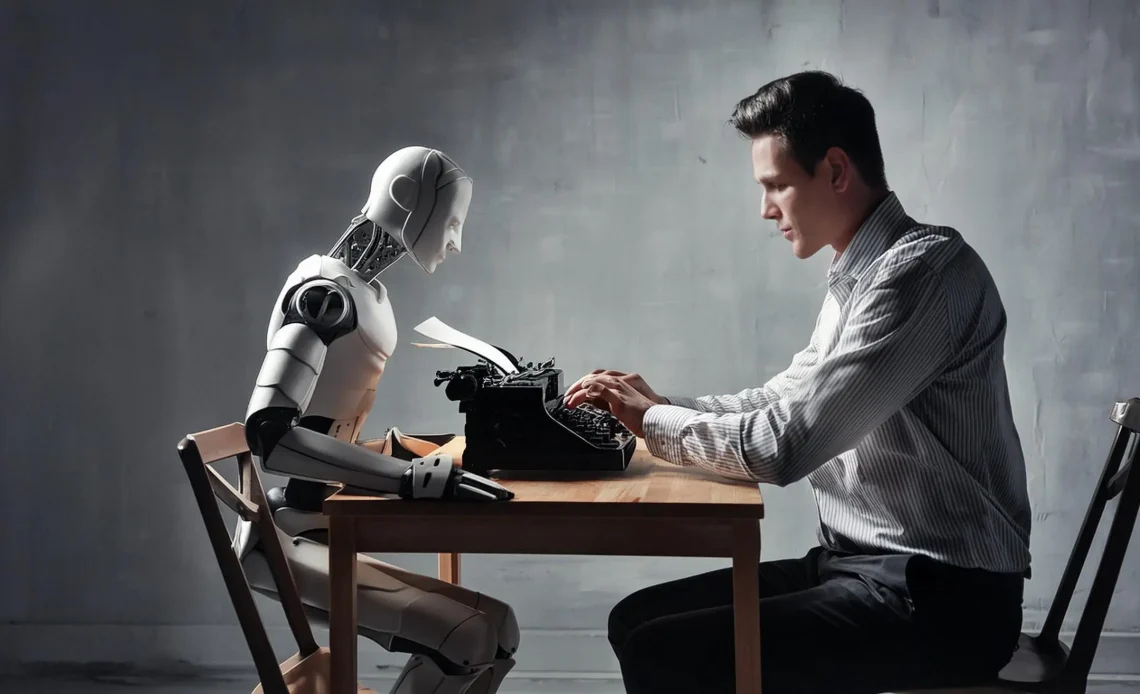
The creative industry has undergone a remarkable transformation in recent years with the rise of artificial intelligence (AI). Among the many industries touched by this technological evolution, screenwriting-a traditionally human-centric craft-has also started seeing the emergence of AI-generated scripts, dialogues, and even full-length movies. For those curious about this intersection of creativity and computation, enrolling in an AI course in Bangalore can be a great starting point for understanding the algorithms and tools driving these advancements.
Understanding AI in Creative Writing
Traditionally, screenwriting is a profoundly human endeavour. It draws upon emotion, intuition, personal experience, and an innate understanding of cultural context. But AI systems-trained on massive corpora of film scripts, storytelling formats, and linguistic patterns-are now stepping into this creative space. These models, like OpenAI’s GPT or Google’s LaMDA, can produce compelling plots, character arcs, and dialogues.
AI’s ability to recognise patterns in vast amounts of narrative data makes it effective in screenwriting. It can identify tropes, structure stories in classical acts, and mimic the style of well-known screenwriters. But can AI truly move us the way human writers can? That’s the question filmmakers, technologists, and writers are now grappling with.
How AI Writes a Script
AI-powered writing tools work through Natural Language Processing (NLP) and machine learning. These systems are trained on thousands of scripts-from Hollywood blockbusters to indie dramas-and learn how stories typically unfold. AI can generate story ideas, outline character development, write scenes, and produce dialogue that fits a particular mood or genre when prompted.
One key feature of AI-based scriptwriting tools is their ability to collaborate. Human writers can feed the AI with a plot point or a premise, and the model will generate the next few scenes or suggest alternate narrative paths. This collaborative style allows writers to brainstorm more efficiently and overcome creative blocks.
Advantages of AI in Screenwriting
AI offers numerous benefits for scriptwriters and production teams:
- Speed and Efficiency: AI can generate first drafts of scripts in minutes, saving writers valuable time.
- Idea Generation: AI can suggest plot twists, character traits, or alternate endings that the writer may not have considered.
- Language Translation: It can instantly translate scripts into multiple languages, making content globally accessible.
- Style Emulation: AI can replicate the tone and style of famous screenwriters or match specific genre expectations.
All these tools have made AI an essential collaborator in the early phases of storytelling. For example, based on audience data and narrative trends, Netflix has used AI to determine which shows to greenlight.
Limitations of AI as a Storyteller
Despite its growing capabilities, AI faces several limitations in screenwriting:
- Lack of Emotion and Empathy: AI does not feel, so while it can mimic emotional dialogue, it cannot truly understand human emotions.
- Contextual Nuance: Stories often rely on cultural context and subtlety-areas where AI can fall short.
- Originality: AI tends to recycle ideas and structures it has seen before. True originality and risk-taking in storytelling still require human creativity.
Moreover, AI struggles with creating subtext-the unspoken layer of meaning beneath dialogue. This nuance often defines powerful screenwriting and is difficult for machines to grasp.
To understand these strengths and limitations more deeply, aspiring professionals in Marathalli increasingly turn to technical learning platforms offering an artificial intelligence course in Bangalore. These programs provide hands-on experience with AI models, helping students explore their creative and analytical sides simultaneously.
Real-World Examples of AI in Screenwriting
There have already been notable attempts to use AI in screenwriting:
- “Sunspring” (2016): This short sci-fi film, written entirely by an AI trained on screenplays, gained attention for its surreal, yet oddly coherent, dialogue.
- Plot Generator Tools: Platforms like Plotagon and AI Dungeon allow users to input characters and themes and receive complete story arcs.
- AI Co-writers: Some screenwriters now use AI to suggest scene progressions, dialogue alternatives, or even edit scripts for grammar and structure.
While the results aren’t always perfect, they spark discussions about the role of AI in art and whether machines can be storytellers in their own right.
Learning AI to Empower Creative Aspirations
For creatives in Marathalli, blending storytelling with technology is no longer a futuristic concept-it’s today’s reality. Taking an AI course in Bangalore can offer you the tools to understand how models like GPT work, how to fine-tune them, and how to use them for creative tasks like writing and editing. These courses also explore ethical considerations and the future of AI in industries such as film, marketing, and publishing.
Incorporating AI doesn’t mean replacing writers. Instead, it enhances the creative process by offering new perspectives, breaking writer’s block, and automating mundane tasks like formatting. Writers can focus more on vision and originality while letting AI handle structure and coherence.
The Emotional Barrier: Can AI Move Us?
The core of storytelling lies in emotional resonance. Humans write stories to connect with others, reflect on life, and express inner turmoil. Can a machine replicate that? So far, AI has been good at imitation, but it still falls short in authenticity.
Storytelling requires life experience. A war veteran writing about battle brings something personal that AI cannot emulate. Similarly, a romance written by someone who has felt heartbreak carries a depth AI-generated text lacks.
However, as AI becomes more sophisticated, models can be developed that better simulate emotional intelligence. It might not feel emotions but could learn to replicate emotional arcs based on how audiences respond to specific narrative beats.
The future may hold collaborations in which AI does the heavy lifting of structure and content generation while human writers focus on nuance, meaning, and emotional depth.
Conclusion: Merging Creativity with Technology
AI is transforming screenwriting by offering speed, structure, and collaboration. It’s a valuable tool for both novice and experienced storytellers. But while AI can generate scenes and suggest compelling plots, the soul of a story-the emotions, experiences, and unique perspective-still lies with the human writer.
As AI tools evolve, so will their role in the creative arts. For storytellers in Marathalli and beyond, learning to integrate these tools effectively can open doors to new creative horizons. Taking an artificial intelligence course in Bangalore can empower you to write stories and revolutionise how they are created in the first place. Whether you dream of writing the next blockbuster or enhancing your writing process, understanding AI will help you stay ahead in this exciting creative revolution.
For more details visit us:
Name: ExcelR – Data Science, Generative AI, Artificial Intelligence Course in Bangalore
Address: Unit No. T-2 4th Floor, Raja Ikon Sy, No.89/1 Munnekolala, Village, Marathahalli – Sarjapur Outer Ring Rd, above Yes Bank, Marathahalli, Bengaluru, Karnataka 560037
Phone: 087929 28623
Email: enquiry@excelr.com