
Key Takeaways
- Flying fox ziplines offer controlled adventure while safety systems and supervision keep children secure.
- Managed risk helps children build confidence, coordination, and awareness in an outdoor setting.
- Clear guidelines and proper equipment ensure a safe and enjoyable ride experience.
- Families gain a fun outdoor option that combines bonding, movement, and skill development.
Introduction
Finding activities that encourage children to play outdoors can feel challenging. Screens compete for attention while energy levels remain high. Adventure playground features offer a refreshing change, and zipline rides quickly become a favourite. Many parents pause before saying yes, wanting reassurance about safety and suitability.
Interest in the flying fox in Singapore continues to grow because it combines outdoor play with a sense of adventure. Understanding how the ride works and what safety measures are in place helps families make confident choices while allowing children to enjoy the experience.
How Flying Fox Ziplines Work
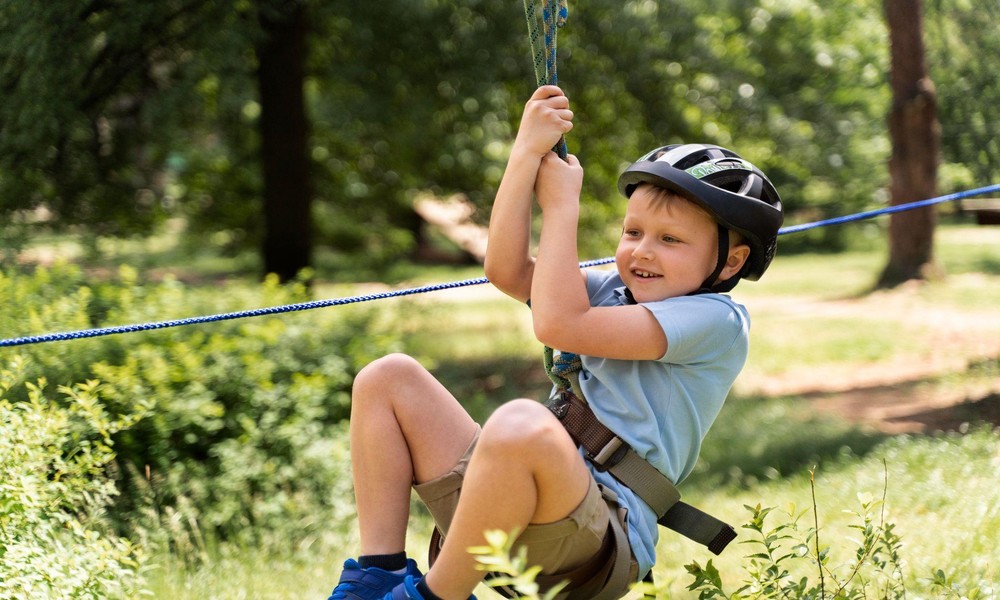
A flying fox zipline uses a suspended cable, a trolley or pulley system, and a harness or seat. Children glide from one platform to another using gravity, while the equipment regulates speed and stability. Proper installation and regular checks ensure smooth movement and dependable braking.
Unlike complex amusement rides, flying fox structures rely on simple mechanics. This design helps children focus on balance, grip, and body position while enjoying the feeling of gliding through open space.
Safety Features Parents Should Look For
Harnesses, Grip Handles, and Landing Zones
Secure harnesses and easy‑to‑hold grips keep riders stable during the glide, while landing zones with impact‑absorbing surfaces cushion arrival and reduce strain on joints. Facilities operating a flying fox in Singapore typically follow clear safety guidelines, provide instructions, and maintain trained supervision.
Regular equipment checks, well‑maintained cables, and visible wear inspections provide reassurance. Parents may also ask staff about maintenance routines to better understand how safety is maintained.
Height, Weight, and Age Guidelines
Guidelines ensure riders use equipment suited to their size and strength. Weight limits protect cable tension and braking performance, while height recommendations ensure harness fit and safe reach. Following posted guidance helps keep the ride controlled and predictable.
Supervision remains important. Staff monitor proper attachment and safe dismounting, while parents reinforce instructions and encourage calm, careful movement.
Benefits Beyond the Thrill
Building Confidence Through Managed Risk
Children build confidence when trying unfamiliar tasks within a structured setting. Gliding across a cable may feel intimidating at first, yet completing the ride creates a strong sense of achievement. Experiences like this help children recognise their abilities and manage nervous feelings.
Families searching for things to do with kids often appreciate activities that build resilience while remaining enjoyable. Flying fox rides balance excitement with reassurance, allowing children to try something new within clear boundaries.
Strength, Balance, and Coordination
Maintaining posture during the glide engages core muscles and improves balance. Grip strength develops through holding handles, while coordination improves as children adjust their body position during movement. Repeated rides reinforce motor skills in a playful way.
Outdoor play also provides fresh air, sunlight, and active movement, helping children release energy in a healthy and engaging manner.
Helping Children Ride Safely
Preparing Kids Before the First Ride
Explaining what to expect reduces hesitation. Demonstrating how to hold the handle, sit properly, and keep feet forward builds confidence. Encouraging children to watch another rider first can also ease nerves.
Safety briefings are commonly provided at sites featuring a flying fox in Singapore, and listening together ensures both parent and child understand each step involved.
Encouraging Calm and Controlled Movement
Excitement can lead to sudden movements, so reminding children to stay calm during the glide improves stability. Simple guidance such as keeping hands secure and looking forward helps maintain balance and confidence.
Parents exploring things to do with kids that combine fun and learning may find flying fox rides helpful for teaching patience, listening skills, and awareness of surroundings.
Why Flying Fox Rides Appeal to Children
Speed, height, and motion create a sense of adventure without overwhelming intensity. The glide lasts only seconds, yet the memory lasts much longer. Children enjoy the feeling of independence while remaining in a supervised environment.
Shared excitement encourages social interaction. Friends cheer each other on, siblings compare experiences, and families celebrate small victories together. Many parents include a flying fox in Singapore in weekend plans because it combines activity, bonding, and outdoor enjoyment.
Conclusion
Flying fox ziplines provide children with an engaging outdoor activity supported by safety systems designed for controlled movement. Harnesses, supervision, and clear guidelines maintain structure, while the ride promotes confidence, coordination, and resilience.
Parents exploring things to do with kids can view flying fox rides as a safe adventure that encourages skill development and meaningful family time outdoors.
Curious about giving your child a safe and exciting outdoor experience? Contact Forest Adventure today to learn more about guided zipline activities designed for young riders.