
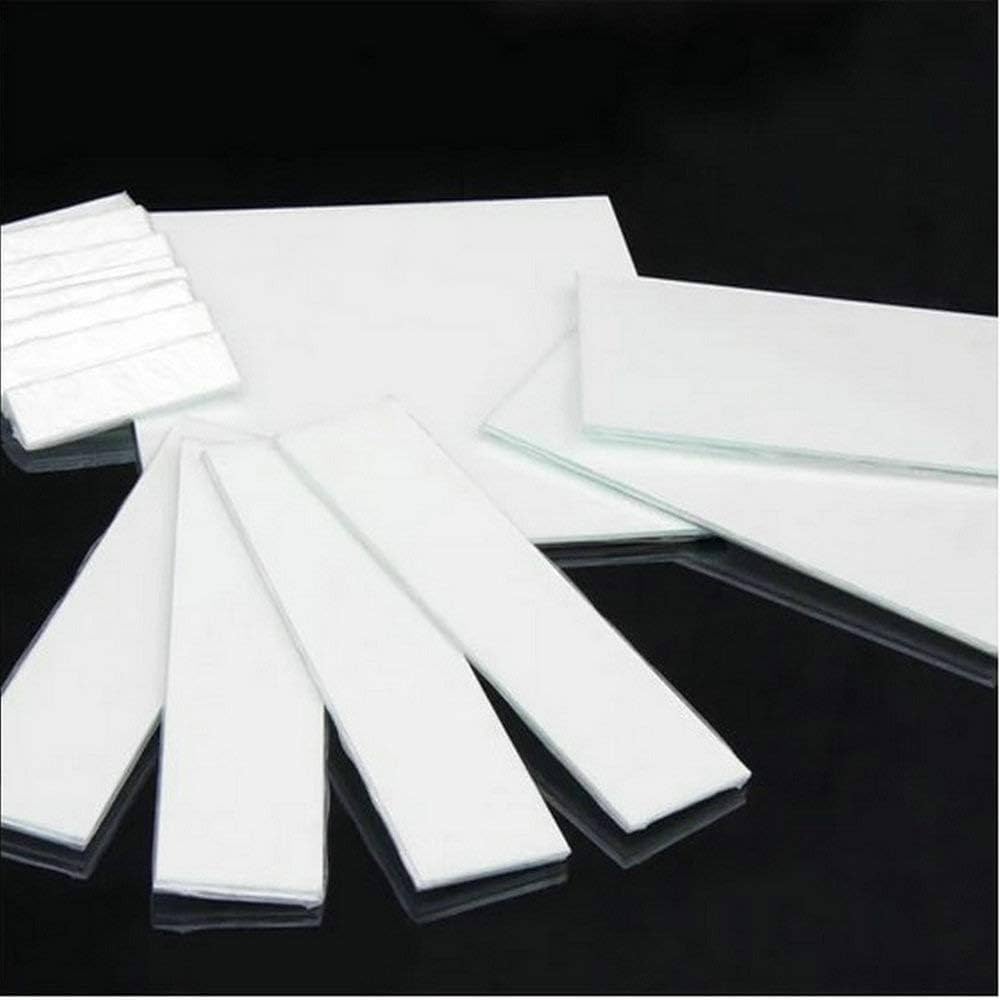
In today’s data-driven research environment, laboratories require tools that are not just precise but also reliable and consistent across applications. One such time-tested yet evolving tool is the thin layer chromatography plate. Despite the rapid development of digital and automated lab equipment, TLC remains one of the most efficient, affordable, and insightful techniques for qualitative analysis in organic chemistry, pharmaceuticals, food quality control, and forensic science.
The Enduring Relevance of TLC in Analytical Chemistry
Thin layer chromatography plates are essential for separating and identifying mixtures of compounds. This technique works on the principle of adsorption, where a compound’s polarity determines its rate of travel along a stationary phase—typically coated on a solid support like glass, plastic, or aluminium.
While other chromatographic methods may offer advanced automation, TLC offers clarity, rapid analysis, and adaptability that few systems can match. With visual results and minimal sample preparation, TLC is often the go-to choice for fast screening or preliminary tests.
Why TLC Plates from Merck Remain a Preferred Standard
Among the numerous manufacturers globally, TLC plate Merck products continue to set industry benchmarks. Their consistent coating thickness, uniform particle distribution, and reproducible results make them ideal for both academic and industrial use. Whether used for method development or routine QC, Merck TLC plates offer high sensitivity and resolution.
Merck’s TLC range includes options with fluorescent indicators like F254, enhancing compound visibility under UV light. This makes them especially useful in pharmaceutical R&D, where accurate separation of compound classes is critical.
Choosing the Right Support: Why Aluminium Makes a Difference
In applications where robustness, flexibility, and lightweight material are essential, aluminium TLC plate options stand out. Unlike glass plates, aluminium-backed plates are shatterproof and easier to cut or modify to fit into various apparatus.
This flexibility becomes vital in field labs or mobile testing units, where compact and portable solutions are needed. Additionally, aluminium supports speeding up drying times and reducing the chance of breakage during transportation—making them the preferred choice in industrial environments.
Best Practices When Working with TLC Plates
Using thin layer chromatography plates effectively requires attention to detail, especially in sample spotting and solvent selection. Some best practices include:
- Always use microcapillaries or Hamilton syringes for precise application.
- Ensure solvent systems are freshly prepared and optimized for polarity separation.
- Maintain consistent plate handling to avoid uneven coating damage or contamination.
- Run standards alongside unknown samples for visual reference.
Even the best TLC plate Merck variants can yield inaccurate results if basic handling protocols are not followed. Proper storage and humidity control also ensure the longevity and reliability of the plates.
TLC in Pharmaceutical and Biotech Labs
TLC continues to play a vital role in the development and quality assurance of medicinal products. It is commonly used for:
- API (Active Pharmaceutical Ingredient) verification
- Impurity profiling
- Stability testing
- Formulation consistency checks
The rapid turnaround time and low solvent consumption make thin layer chromatography plates a sustainable option in comparison to more resource-intensive methods like HPLC.
Integration with Digital Imaging and Analysis
Modern laboratories are finding new ways to integrate TLC results with digital tools. High-resolution scanners and image analysis software can now read and quantify spots, improving accuracy and record-keeping.
This hybrid approach allows labs to retain the cost and speed benefits of TLC while enhancing documentation and reproducibility. Aluminium-backed plates, due to their flatness and smooth surface, often yield better digital results than other substrates.
Cost-Effectiveness Meets High Performance
When labs are under pressure to reduce operational costs without compromising accuracy, switching to aluminium TLC plate products proves to be a smart move. Their affordability, ease of use, and compatibility with multiple solvents make them one of the most cost-effective chromatographic solutions available.
In academic institutions and teaching labs, they are also perfect for demonstrating key analytical concepts due to their visual, hands-on nature.
Explore Lab-Tested TLC Solutions That Deliver
Whether you’re a research chemist or quality control analyst, your lab deserves tools that combine performance with practicality. Thin layer chromatography plates remain a cornerstone of analytical processes, offering versatility in compound separation and easy interpretability. For labs seeking reliability and accuracy, the right TLC product can enhance productivity and insight alike.
Among the most trusted options in the market, Lab Chemicals Distributors India provides high-quality TLC plate Merck products, including aluminium TLC plate variants that offer durability and consistency.