
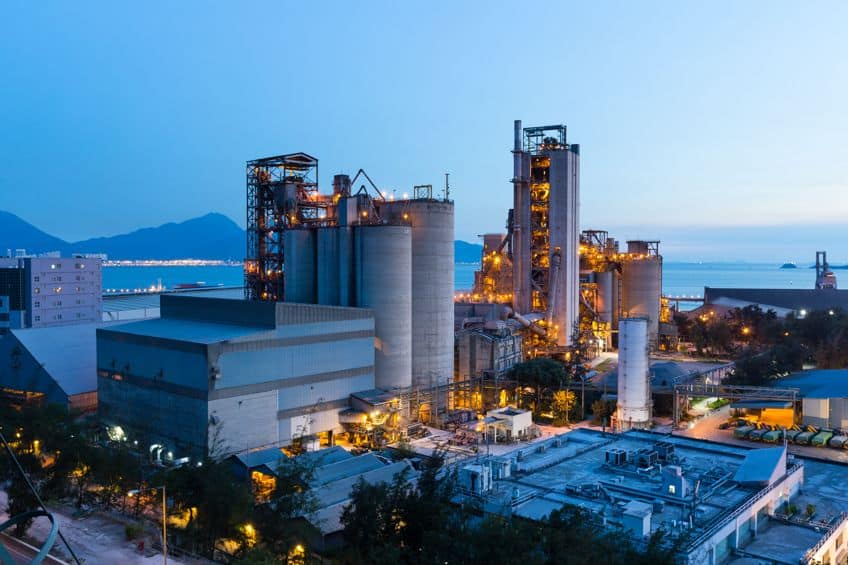
Manufacturing plants require a unique blend of functionality, safety, and efficiency in their design. A specialized manufacturing plant architect understands these needs and provides tailored solutions to create optimized facilities. Here’s why working with Stendel + Reich manufacturing plant architect is essential for your next project.
- Understanding of Workflow Optimization
Efficient workflows are the foundation of a productive manufacturing plant. Specialized architects design layouts that reduce bottlenecks and enhance operational efficiency.
- Streamlined Material Flow: Proper placement of storage, production, and shipping areas minimizes travel distances.
- Ergonomic Workspaces: Designing comfortable and accessible workstations improves worker productivity.
Optimized layouts save time and reduce operational costs.
- Knowledge of Industry Standards
Each industry has specific standards and requirements, and architects must incorporate these into the design.
- Regulatory Compliance: Adhering to health, safety, and environmental standards ensures legal operation.
- Specialized Needs: Food manufacturing, for example, requires hygiene-focused designs with seamless surfaces and proper ventilation.
Experienced architects ensure the facility is fully compliant with industry-specific standards.
- Safety as a Priority
Safety is critical in manufacturing plants, where heavy machinery and hazardous materials are common. Architects integrate safety features into their designs.
- Fire Safety Systems: Adequate exits, fire suppression systems, and alarms.
- Hazard Mitigation: Separation of high-risk areas, like chemical storage, from personnel zones.
Proactive safety measures protect employees and equipment, reducing the risk of accidents.
- Scalability for Future Growth
Manufacturing facilities must adapt to changing production demands or expansions. Architects design plants with scalability in mind.
- Modular Layouts: Flexible spaces that accommodate new equipment or increased production capacity.
- Utility Infrastructure: Provisions for additional power, water, or data lines ensure seamless expansion.
This future-proof approach minimizes disruptions when scaling operations.
- Integration of Automation and Technology
Modern manufacturing relies heavily on automation and smart technologies. Architects incorporate these advancements into the design.
- Robotic Integration: Allocating space for robotic arms and automated conveyor systems.
- IoT Readiness: Infrastructure to support sensors and smart systems for real-time monitoring and control.
Technology-focused designs increase efficiency and competitiveness.
- Focus on Sustainability
Sustainable practices in manufacturing plant design not only benefit the environment but also reduce costs.
- Energy Efficiency: Use of natural lighting, efficient HVAC systems, and renewable energy sources.
- Waste Reduction: Designing systems for proper waste management and recycling.
Sustainability is a priority for businesses aiming to meet environmental goals.
- Specialized Materials and Equipment
Manufacturing plants often require unique materials and equipment to meet operational needs.
- Durable Materials: Architects select materials that withstand heavy use, such as reinforced concrete or stainless steel.
- Specialized Equipment: Proper accommodations for machinery, including reinforced floors and vibration control.
This attention to detail ensures long-lasting and functional facilities.
Conclusion
A specialized manufacturing plant architect is crucial for designing facilities that meet industry demands, ensure safety, and support future growth. By focusing on workflows, compliance, and sustainability, Stendel + Reich manufacturing plant architect delivers designs tailored to your operational needs. Investing in their expertise ensures a well-planned, efficient, and adaptable plant for years to come.