
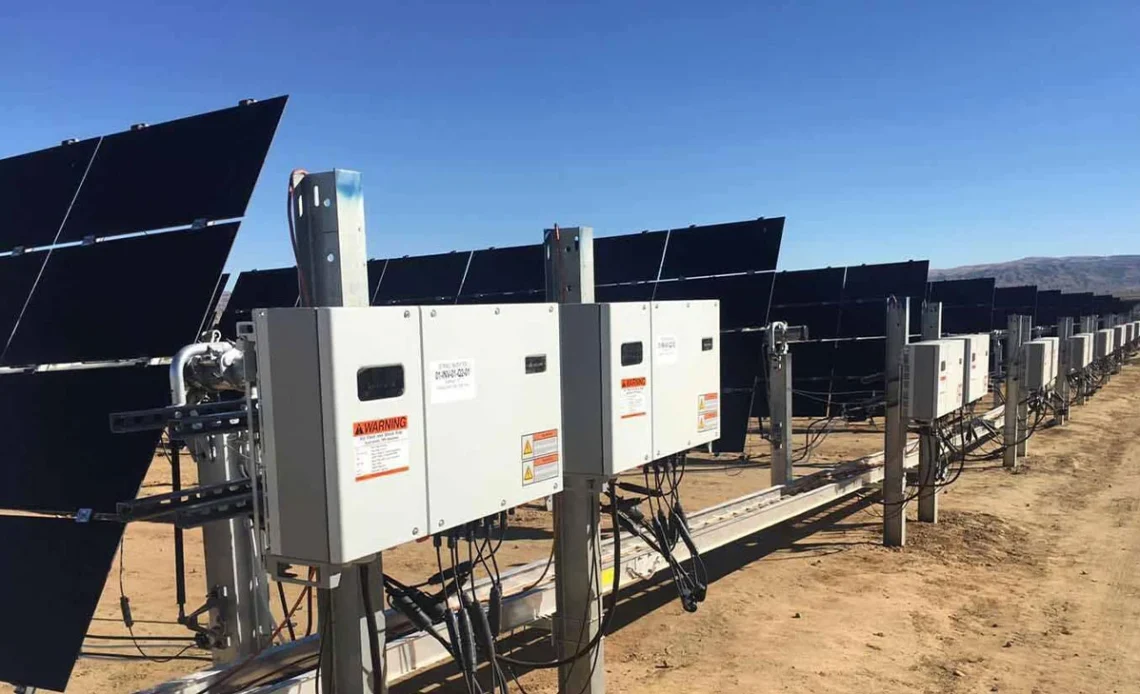
As clean energy becomes increasingly adopted in the residential sector, installing a solar rooftop system has proven to be a viable option for long-term electricity cost reduction. However, many novice homeowners focus entirely on the solar panels, often overlooking a critical component of the system: the Solar Inverter. Without this device, the energy harvested from the sun cannot be utilized within the household. This article provides a straightforward guide to understanding the essential functions and types of solar inverters.
Why Can’t a Solar System Function Without This Device? The Fundamental Knowledge for Homeowners
The operational mechanism of a solar energy system begins when the solar panels absorb sunlight and convert it into electrical energy. The electricity generated at this initial stage is Direct Current (DC). However, the vast majority of household appliances-such as air conditioners, televisions, refrigerators, and fans-are engineered to run exclusively on Alternating Current (AC). Therefore, the system requires an intermediary component to alter the current format so that the generated power can be safely and practically utilized within the home.
How Many Types of Inverters Are There, and Which One Fits Your Home?
When choosing an inverter, the primary factor to consider is selecting the “type” that aligns with your household’s specific electricity consumption patterns. Currently, residential inverters are categorized into three main types:
1. On-Grid Inverter (Grid-Tied System)
This is the most common system for homes that primarily consume electricity during the daytime. It operates in synchronization with the local electrical grid. The generated solar power is used immediately, and if it falls short, the system automatically draws supplementary power from the grid. The main advantages are lower upfront costs and a faster return on investment (ROI). However, for utility worker safety, the system will automatically shut down during a grid power outage.
2. Off-Grid Inverter (Standalone System)
This system operates entirely independent of the electrical grid. The generated energy is directed into a battery storage bank for later deployment. It is ideal for remote locations where grid access is unavailable, such as rural farmlands or mountain resorts. The benefit is complete energy independence, though it comes with the added cost of a battery system.
3. Hybrid Inverter (Dual System)
This advanced system integrates the operational capabilities of both On-Grid and Off-Grid setups. It systematically manages energy distribution among the solar panels, battery storage, and the utility grid. It ensures a continuous power supply to the home and serves as a reliable backup source during grid failures.
What Functions Does a Solar Inverter Perform? A Look into System Management Beyond Power Conversion
Beyond the primary conversion of DC to AC power, a certified, high-standard solar inverter plays a vital role in regulating and safeguarding your household’s entire electrical ecosystem through several key functions:
– Voltage Regulation and Stabilization: The inverter stabilizes the output AC voltage, ensuring it remains steady and matches the exact electrical standards required by household appliances. This minimizes the risk of appliance damage caused by voltage fluctuations or power surges.
– Safety Management and Automatic Disconnection: Built-in safety mechanisms continuously monitor the system for anomalies such as overcurrents, ground faults, or short circuits. Additionally, it performs an automatic grid disconnection function (Anti-Islanding Protection) during a utility blackout to protect utility technicians working on maintenance lines.
– Data Logging and Performance Reporting: The inverter processes and monitors the operational efficiency of each solar panel array. It compiles performance statistics and transmits this real-time data to a smartphone application, allowing homeowners to accurately track their daily energy production and utility bill savings.
Transitioning your home to clean energy is one of the smartest financial moves of the decade-provided you don’t let an inefficient equipment choice quietly drain your potential savings. Ultimately, the difference between a solar system that breaks even in 4 years versus one that drags out to 8 years comes down entirely to the engineering of your inverter.
Don’t leave your long-term energy independence to guesswork or standard, one-size-fits-all installer packages. Before you sign any contract, make sure you know exactly What is a solar inverter ( ‘Solar Inverter คืออะไร’) and how to audit your setup for maximum daily ROI. Secure your investment and unlock the definitive, fluff-free technical breakdown from the energy authorities at Ewave today.