
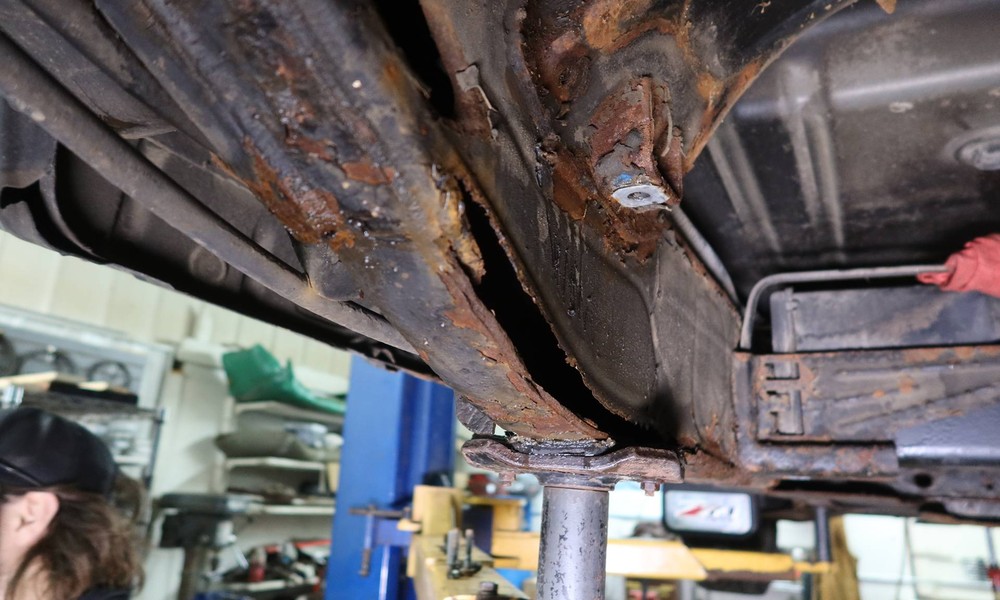
Fixing chassis damage starts with understanding exactly what’s wrong. For a terminal chassis, even small bends or cracks can affect how it handles loads, so inspecting the frame closely is crucial. Every repair begins with knowing where the damage is and how severe it might be. This is the foundation of effective container chassis repair.
Checking Damage and Prepping the Frame
The first step is cleaning the damaged area. Rust, dirt, and old paint need to go because they prevent the weld from bonding properly. Grinding and sanding the surface creates a solid base, while careful heat control keeps the metal strong instead of weakening it. This prep work sets the stage for a reliable repair.
Picking the Right Welding Method
Different welding methods work for different types of damage. MIG welding is great for straight sections or minor bends, while TIG welding is better for precise work on thinner metal. Stick welding works well on thicker or heavily corroded areas that need deep penetration. Choosing the right method keeps the repair strong and durable.
Reinforcing or Replacing Sections
Sometimes the damage is too much for a simple weld. Reinforcing with steel plates can strengthen weak spots, and in some cases, replacing the damaged section is the best approach. Using clamps or jigs helps keep the frame straight during welding, which makes sure the chassis performs correctly afterward.
Checking and Maintaining the Repair
After welding, a careful inspection ensures everything lines up, and all welds hold. Tests like ultrasonic or magnetic particle inspection catch hidden cracks. Regular maintenance after repairs, such as rust prevention and lubrication, keeps the chassis in good shape longer.
Following these techniques helps the terminal chassis stay reliable and safe for heavy use. It also prepares the frame to handle intermodal shipping containers, keeping cargo secure while moving across ports, trucks, or rail.