
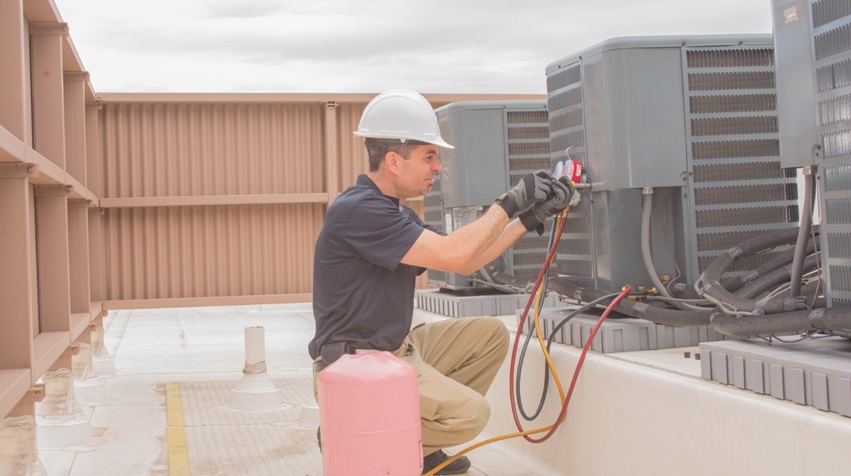
HVAC dampers play a crucial role in regulating airflow within heating, ventilation, and air conditioning systems. These devices help control the amount of air that flows through different areas of a building, ensuring efficient temperature management. Understanding how HVAC dampers work is key to maintaining optimal indoor comfort and energy efficiency. For those seeking expert guidance or installation, professional HVAC services in Roswell can ensure your system functions smoothly year-round.
Understanding HVAC Dampers
HVAC dampers are adjustable plates or valves that regulate airflow within a ductwork system. They act like valves in your home’s air distribution network, controlling the amount of air that flows through specific ducts. By doing so, dampers help balance the distribution of heated or cooled air throughout your home, ensuring that each room receives the appropriate amount of conditioned air.
Types of HVAC Dampers
There are several types of dampers used in HVAC systems, each serving a specific purpose. Volume control dampers are the most common, allowing for manual adjustment of airflow to different zones in your home. Backdraft dampers prevent air from flowing in the wrong direction, while motorized dampers can be controlled electronically, often as part of a zoned HVAC system.
How HVAC Dampers Work
The operation of HVAC dampers is relatively straightforward. When open, they allow air to flow freely through the ducts. When closed or partially closed, they restrict airflow. This simple mechanism allows for precise control over where conditioned air is directed within your home. In systems with motorized dampers, this process can be automated, responding to thermostat settings or programmed schedules.
The Role of Dampers in Zoned Systems
One of the most significant applications of HVAC dampers is in zoned heating and cooling systems. These systems segment your home into distinct zones, each equipped with its own thermostat. Dampers work in conjunction with these thermostats to direct air only to the zones that need it, improving overall efficiency and comfort.
Enhancing Energy Efficiency
By allowing for a more targeted distribution of conditioned air, dampers can significantly enhance the energy efficiency of your HVAC system. This targeted approach means your system doesn’t have to work as hard to maintain comfort throughout your home, potentially leading to energy savings and reduced wear on your equipment.
Professional Installation and Maintenance
While the concept of dampers is straightforward, their proper installation and adjustment require expertise. Professional HVAC technicians have the knowledge and tools to ensure that dampers are correctly positioned and calibrated. This expertise is crucial for achieving the full benefits of a well-balanced HVAC system.
It’s worth noting that dampers work in conjunction with other critical components, such as the blower motor, to deliver comfort efficiently. The interplay between these components underscores the complexity of your HVAC system.
Also Read: The Importance of a Blower Motor in Your HVAC System
Conclusion
HVAC dampers are a vital component in creating a comfortable and efficient home environment. Regulating airflow throughout your ductwork allows for precise control over temperature and air distribution. As HVAC technology continues to advance, dampers are likely to play an even more significant role in smart, efficient home climate control systems.
For homeowners in Roswell and surrounding areas, working with knowledgeable HVAC professionals can ensure that all components of your system, including dampers, are working together optimally. Regular maintenance of your HVAC system is essential for maintaining its performance, especially in Atlanta’s variable climate.