
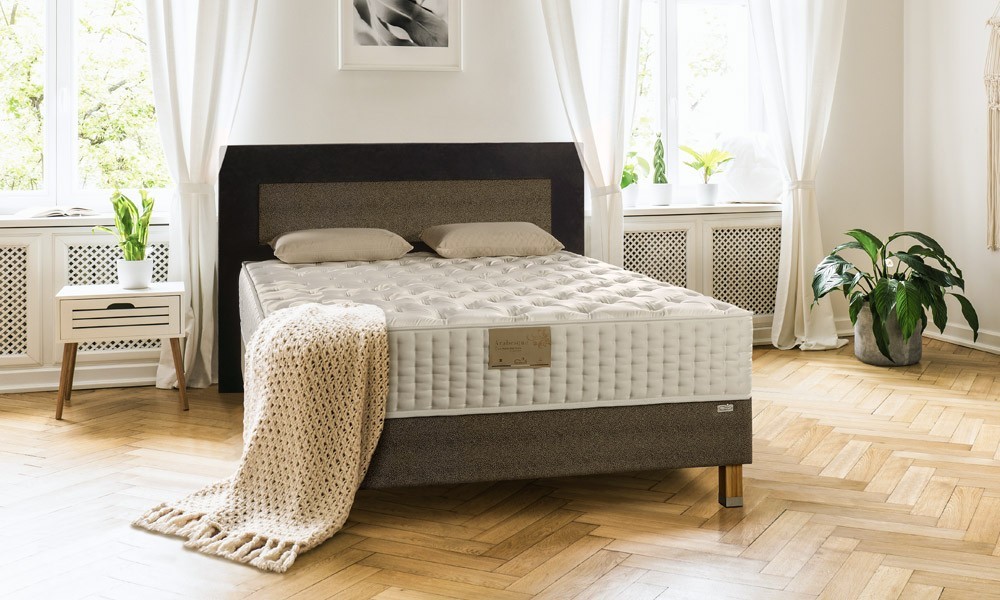
Your daily life shouldn’t revolve on waking up with sore back. Although many people do not know their mattress could be the silent offender compromising their spine health every single night, about 80% of adults have back discomfort at some time.
The Science Behind Spinal Support
Your spine naturally S curves across three separate areas: lumbar, thoracic, and cervical. Good spinal alignment calls for focused support at each pressure point when you lie down. Harvard Medical School studies show that mattresses keeping a neutral spine position help to lower morning stiffness by up to 42%.
Memory foam distributes weight equally throughout the surface and excels at moulding to your body’s particular shape. But conventional memory foam lacks enough support for heavier people and can retain heat. Plant based memory foams with gel infusion help to solve these issues while maintaining pressure relieving properties.
Identifying Your Pain Patterns
Usually resulting from insufficient lumbar support, lower back pain causes your spine to curve awkwardly when you sleep. Consistent in clinical tests for lower back pain alleviation, medium firm mattresses offer the best mix of structural support and cushioning.
Usually, upper back and shoulder problems point to either too strong or insufficient contouring. Side sleepers especially find this difficult since hard surfaces produce pressure points at the hip and shoulder joints. By providing variable degrees of firmness in several body areas, zoned support systems help to solve these issues.
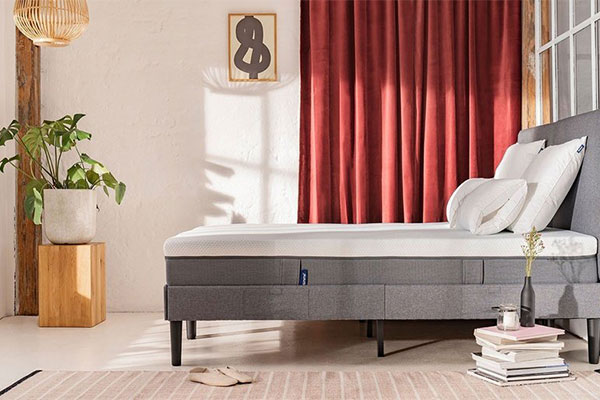
Material Matters More Than Marketing
Individual coil innerspring mattresses offer great targeted support and motion isolation. The coil gauge controls firmness; thinner numbers indicate thicker, firmer coils. For best support distribution, seek coil counts between 400 and 800.
Particularly durable and responsive, latex mattresses bounce back rapidly when you change positions. Natural latex is perfect for sensitive sleepers suffering with allergies and back discomfort since it fights dust mites and keeps constant temperature control.
Making Your Investment Count
Finding the best Meilleur matelas for your particular back discomfort calls for honest evaluation of your sleep patterns and pain factors. Record your present sleeping quality and note when discomfort most seriously manifests itself upon waking, during the night, or following extended sleep.
Usually lasting between 90 and 365 nights, professional sleep studies give your body enough time to adapt and your back will react. Don’t hurry this choice; your spine needs the opportunity to fairly assess long term comfort and support.
Remember that mattress toppers can adjust comfort levels without replacing your whole sleep system. An overly firm mattress might become the ideal sleeping surface for your recuperating back with a quality latex or memory foam topper.