
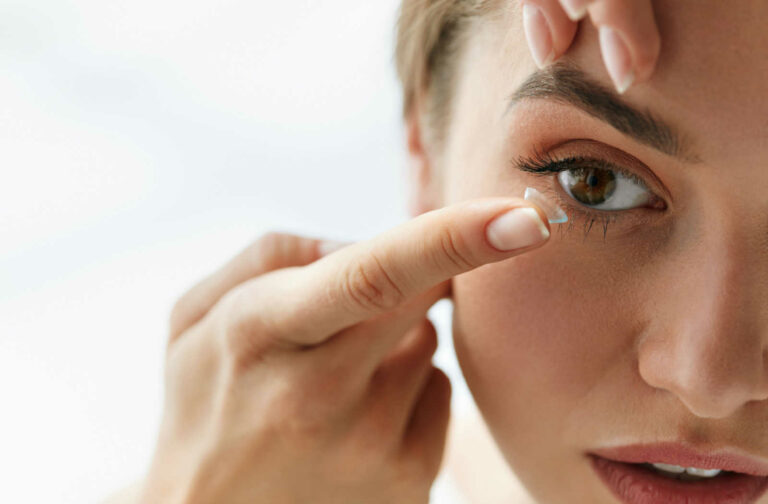
While contact lenses have come a long way since their inception, originally designed merely to correct vision. Today, they fulfill some very specific use case scenarios from health-related treatment to personal beauty preferences. In this post; we will be taking a further look into Specialty Contact Lens fitting Rancho Santa Margarita, what they are used for, and who would benefit from them.
- Therapeutic Contact Lenses
These specialized contact lenses are not for refractive errors and are more commonly known as therapeutic lenses. They can include:
Bandage Lenses: They are used to shield and heal the cornea after abrasions, surgeries, and injuries to the cornea.
Scleral Lenses: Large-diameter lenses that sit entirely on the white sclera and work for severe dry eye syndrome, keratoconus, or if someone has an unusual shape of their cornea.
Ortho-K Lenses: lenses are worn overnight and temporarily flatten the shape of your cornea to enable you to see clearly without glasses or daytime contacts (myopia)
- Cosmetic Contact Lenses
They are also often called cosmetic contact lenses, as they change the look of your eyes but do not help correct any vision issues. They include:
Tinted Contact Lenses: These lenses are of different colors that cater to the cosmetic needs of patients.
Enhancement Tint Lenses: Enhance the natural eye color, making them more vivid and deep.
Special Effects Lenses: These are ideal for costume or theatrical purposes, like cat-eye and blackout.
- Lenses for Presbyopia and Astigmatism
Historically, presbyopia (age-related near vision loss) and astigmatism were problems for contact lens wearers. Specialty lenses now include:
Multifocal Contact Lenses: Treat presbyopia by correcting vision over a range of distances (near, intermediate, or distance).
Toric Lenses: These lenses are designed to accommodate the distinctive curvature of an irregularly shaped cornea, correcting astigmatism.
- Hybrid Contact Lenses
Hybrid lenses utilize the advantages of both soft and gas-permeable (GP) materials. With a soft skirt for ease and a rigid center for clear vision, they are great choices for being used in the following:
Keratoconus: An advancing disease in which the cornea becomes thinner and more conical, often necessitating specialty lens fitting.
Corneal Transplant: Wear over the cornea to achieve a stable, clear visual correction after surgery.
- 5. Sports and Performance Lenses
Active lenses, as opposed to typical ones, are built for active people who participate in sports or other outdoor activities. These types of lenses provide stability and comfort during movement. These lenses are also UV protected which is great for outdoor sports to protect against harmful ultraviolet rays. They can also be worn for a longer period without any discomfort.
- Tailored Lenses for Your Special Eyes
- Tailored Fit for Better Comfort: A tailored fit means less irritation and better vision.
- Customized Vision: Treats complicated prescriptions or irregular corneal shapes.
Specialty Contact Lenses Considerations
Although these types of lenses consist of numerous benefits, they require proper guidance from a professional.
Assessment: A comprehensive eye examination and fitting by an optometrist or ophthalmologist is required to determine suitability, as well as for proper fit and prescription.
Cleanup: Comply with the manufacturer`s guidelines on just how to thoroughly clean and disinfect lenses. It is also important to know when to replace a lens.
Monitoring: Periodic checking of the eye is necessary to monitor improving vision at a greater or lesser range than reported earlier.
Finally, specialty contact lenses provide more than just vision correction-they offer unique tools to address specific eye conditions. Offering benefits including increased comfort, cosmetic advantages, and the perfect prescription, these lenses are a valuable fit with professional assistance in sustaining quality of life and visual well-being for countless users.