
Corporate events are created for many reasons. Some bring industry professionals together to exchange knowledge, while others introduce products, strengthen customer relationships, recognize employees, or give leadership teams an opportunity to collaborate. Regardless of the purpose, each gathering produces moments that can continue to provide value after the event ends.
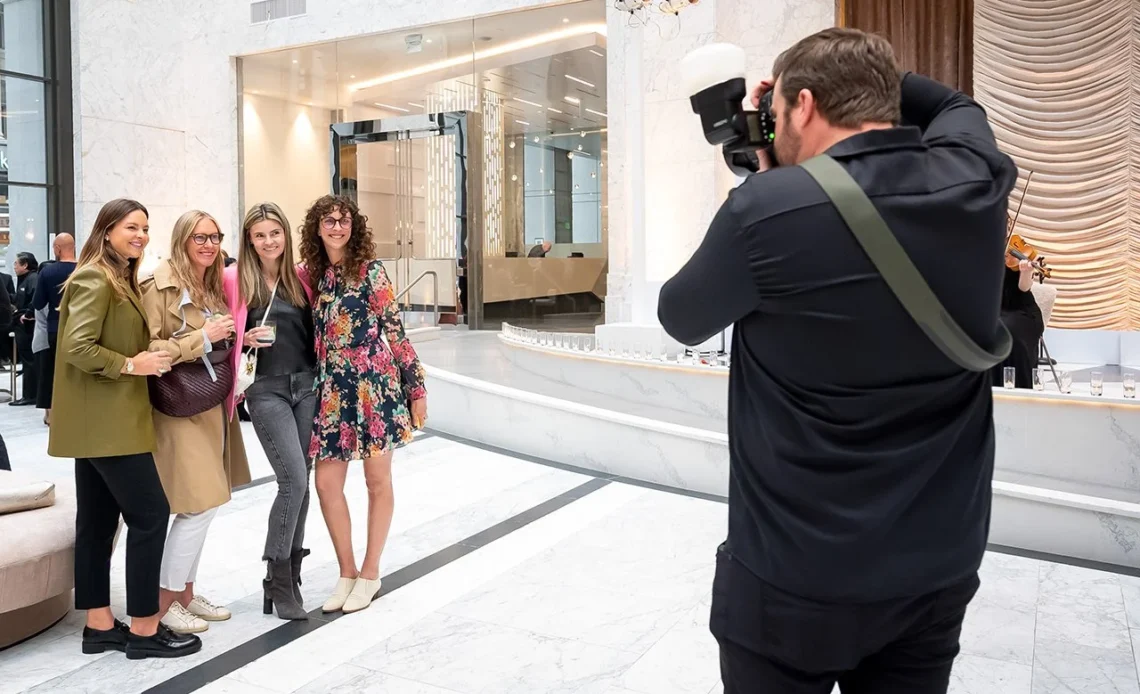
Professional San Diego corporate event photography helps preserve those moments through a combination of documentation and visual storytelling. Instead of concentrating exclusively on posed photographs, comprehensive coverage can include speakers, attendees, branding, venue details, spontaneous conversations, audience reactions, entertainment, and the overall atmosphere.
San Diego adds another dimension to this process. Waterfront settings, modern hotels, convention facilities, outdoor spaces, distinctive architecture, and coastal scenery can give business events a recognizable visual character.
Why Professional Event Photography Matters
Organizations invest significant resources in professional gatherings.
Months of planning may go into choosing the venue, developing the agenda, coordinating speakers, creating branded materials, arranging catering, building exhibition spaces, and designing attendee experiences.
The event itself may last only a day or two.
Photography helps extend its useful life.
A strong collection of images can document what happened while providing content for marketing, public relations, recruitment, internal communications, social media, and future event promotion.
Professional photographs can also demonstrate the scale and quality of an event to people who were unable to attend.
San Diego as a Corporate Event Destination
One of San Diego’s strengths is the variety of environments available for professional gatherings.
Companies may hold conferences in large meeting facilities, organize leadership sessions at hotels, host receptions near the waterfront, or plan outdoor activities as part of an incentive or team-building program.
This diversity provides photographers with opportunities to create a gallery that feels varied.
Environmental photographs can establish a sense of place, while tighter compositions focus on people and interactions.
The location should enhance the visual narrative rather than overpower it.
Building a Complete Event Story
A comprehensive gallery often begins before attendees arrive.
This is an ideal time to photograph spaces while they are clean and carefully arranged.
Images may include:
- Venue exteriors
- Registration areas
- Stage setups
- Branded signage
- Sponsor installations
- Table arrangements
- Name badges
- Printed materials
- Product displays
- Decorative details
Once attendees enter, the focus shifts toward activity.
Arrivals, conversations, presentations, workshops, demonstrations, meals, awards, entertainment, and celebrations become part of the developing story.
Together, these photographs help viewers understand the complete experience.
Photographing Conferences With Variety
Conferences can present a challenge because several hours may take place within the same meeting room.
Visual variety prevents the gallery from becoming repetitive.
A photographer can create wide compositions that establish the scale of the room, medium images connecting speakers with attendees, and close-ups highlighting expressions and gestures.
Audience photographs are equally important.
Images of attendees listening, asking questions, taking notes, laughing, or applauding demonstrate engagement.
When presentation screens or event graphics are relevant, they can be incorporated into photographs to provide additional context.
Capturing Keynote Speakers
Keynote presentations often produce some of the most important photographs of a conference.
Timing is essential.
Speakers constantly change their expressions, gestures, and position on the stage. Capturing the right fraction of a second can transform an ordinary podium photograph into an engaging professional image.
Photographers can look for moments when speakers make eye contact with the audience, smile, gesture confidently, or interact with presentation material.
Different camera positions can also add variety.
Speaker photographs may later appear in company newsletters, event recaps, social posts, media materials, and future promotional campaigns.
Leadership Meetings Require Discretion
Leadership meetings often require a quieter approach than conferences or celebrations.
Participants may be discussing strategy, financial information, future plans, or other sensitive topics.
The photographer should be able to work without becoming a distraction.
Coverage may focus on executives presenting, colleagues collaborating, group discussions, and moments that communicate leadership and teamwork.
Organizers should identify any confidentiality restrictions in advance.
If particular screens, documents, sessions, or attendees should not be photographed, communicating those requirements early helps prevent problems.
Photographing Trade Events
Trade events can be visually busy.
Exhibition spaces may contain large crowds, competing signage, product displays, lighting installations, and constant movement.
Good photography brings structure to this environment.
Wide photographs can establish the size of the exhibition area, while closer images highlight individual booths and attendee interactions.
Useful trade-event photographs may include staff talking with visitors, product demonstrations, technology displays, branded giveaways, and groups gathering around an exhibit.
These images can help companies document participation and demonstrate engagement after the event.
Showing Booth Engagement
For exhibitors, simply photographing an empty booth may not tell the complete story.
Clean photographs taken before attendees arrive are valuable because they clearly show the design and branding.
Once the event begins, however, people become essential.
Photographs showing representatives speaking with attendees or demonstrating products provide evidence that visitors actively engaged with the exhibit.
This type of imagery may support post-event reports, sales communications, social media, future exhibition planning, and sponsor presentations.
Capturing Networking Naturally
Networking photographs are most effective when interactions feel genuine.
Constantly asking attendees to interrupt conversations and pose can change the atmosphere and result in repetitive images.
Candid coverage provides an alternative.
A photographer can observe the room and capture introductions, handshakes, laughter, focused conversations, and spontaneous reactions.
Composition still matters.
Busy backgrounds, distracting objects, and awkward positioning can reduce the impact of otherwise strong moments. Experienced photographers adjust their position quickly while allowing conversations to continue naturally.
Photographing Awards and Recognition
Awards programs combine formal presentation with genuine emotion.
A recipient may walk onto the stage, accept an award, shake hands, smile for a photograph, and leave within a very short period.
The photographer needs to anticipate each stage.
Knowing the award order and presentation format beforehand can be extremely useful.
Audience reactions are also worth documenting.
Applause, excitement, and colleagues celebrating an individual’s achievement help communicate why the recognition mattered.
Afterward, posed photographs of recipients with executives or team members can provide additional options for company communications.
Documenting Product Launches
Product launches depend heavily on timing.
The central reveal may happen only once, making advance planning essential.
Before the event begins, the photographer can create clean images of the product, display environment, signage, and branding.
During the presentation, attention shifts toward speakers, demonstrations, and audience reactions.
Once attendees begin interacting with the product, candid photographs can show curiosity and engagement.
Together, these perspectives provide businesses with a more complete set of images for marketing, sales, media outreach, and internal communications.
Using Waterfront and Outdoor Settings
San Diego’s outdoor environments can give corporate photographs a strong sense of location.
Waterfront views, terraces, courtyards, and coastal scenery may become part of receptions, dinners, team activities, or incentive programs.
Environmental photographs can show participants within the larger setting.
However, location should not become the only subject.
The purpose of corporate coverage remains documenting the people and event experience. Scenic surroundings work best when they add context and atmosphere without distracting from important interactions.
Working With Changing Light
Business events can involve dramatically different lighting conditions.
A photographer might begin outside in strong daylight, move into a conference room, photograph a stage illuminated by LED screens, and finish at an evening reception.
Each environment requires technical adjustments.
The objective is to keep people looking natural while preserving the character of the venue.
For example, an evening reception should still look like an evening reception rather than a brightly illuminated office.
Balancing subjects with ambient lighting helps retain atmosphere.
Details Tell an Important Part of the Story
Small details often represent significant planning.
Event organizers may carefully select floral arrangements, signage, menus, branded gifts, table décor, lighting, and printed materials.
Photographing these elements creates a record of the event design.
Detail images also provide useful visual transitions in galleries and marketing materials.
They can be especially valuable to event planners, venues, sponsors, designers, and production teams who want documentation of their work.
Incorporating Branding Naturally
Corporate events frequently include logos and branded elements throughout the venue.
These may appear on stage screens, banners, digital displays, registration desks, merchandise, backdrops, and exhibition booths.
Photographers should capture these elements clearly without making every image feel like an advertisement.
One effective approach is to combine branding with genuine activity.
For example, a candid conversation photographed with recognizable event signage in the background communicates both engagement and identity.
Creating Content for Social Media
Modern event photographs are often shared across several platforms.
This means photographers should consider composition as well as subject matter.
Vertical images can work well for mobile-first content, while horizontal photographs may be better suited to websites, presentations, or certain social posts.
Close-up images provide immediate impact.
Wider photographs can communicate scale and may provide open space for text or graphic elements.
Organizations that require same-day content should communicate this before the event so image delivery can be incorporated into the photography plan.
Supporting Public Relations
Corporate gatherings often produce stories that extend beyond the event itself.
A company may announce a partnership, launch a product, recognize a leader, introduce a new initiative, or celebrate a major milestone.
Professional photographs can support these announcements.
For media and public-relations purposes, images generally benefit from clearly identifiable subjects, clean compositions, and enough context to communicate what is happening.
Creating several variations gives communications teams greater flexibility when selecting images for different publications and formats.
Showing Authentic Company Culture
Corporate events provide an opportunity to create authentic photographs of an organization’s people.
Employees may be learning, collaborating, celebrating, mentoring, presenting, or simply enjoying conversations with colleagues.
These moments can communicate company culture more naturally than generic stock photography.
Organizations may later use these images for recruitment, employer branding, internal newsletters, careers pages, and employee communications.
Real photographs of real teams can give prospective employees a clearer sense of the organization behind the job description.
Balancing Posed and Candid Images
Both styles are useful.
Candid photographs show genuine interactions and help communicate the energy of an event.
Posed images provide control and are often necessary for executives, award recipients, speakers, sponsors, partners, and teams.
The appropriate balance depends on the event.
A networking reception may benefit heavily from candid coverage, while an awards program may require a greater number of formal photographs.
A complete gallery typically includes enough of both styles to satisfy storytelling and practical communication needs.
Planning Photography Before Event Day
Preparation can significantly improve coverage.
An accurate schedule helps the photographer identify important moments and understand where they need to be.
Organizers should highlight priorities such as:
- Executives and VIPs
- Keynote speakers
- Important panels
- Awards
- Sponsors
- Product demonstrations
- Group photographs
- Entertainment
- Branded installations
- Special announcements
Any photographs required for immediate publication should also be identified beforehand.
Clear communication reduces uncertainty and allows the photographer to concentrate on creating images.
Professionalism Behind the Camera
Corporate environments require photographers to combine creativity with professionalism.
They may need to interact with executives, customers, speakers, sponsors, planners, venue staff, and production crews throughout the day.
Being prepared, punctual, appropriately dressed, and respectful of event protocols is essential.
Photographers must also understand when to move closer and when to remain discreet.
The strongest event coverage is often created without attendees feeling that photography is constantly interrupting their experience.
Creating a Long-Term Visual Library
One event can generate content that remains useful long afterward.
Images might eventually appear in:
- Company websites
- Social media campaigns
- Annual reports
- Recruitment materials
- Sales presentations
- Email newsletters
- Internal communications
- Press releases
- Sponsorship proposals
- Future event promotions
Creating variety during the event increases the usefulness of this library.
Instead of producing hundreds of nearly identical photographs, thoughtful coverage provides different subjects, orientations, perspectives, and moods.
Matching Photography to Business Objectives
A successful photography plan should reflect why the event is taking place.
A leadership meeting has different visual priorities from a trade show. A product launch requires different preparation from a networking reception, while an awards program depends on precise timing.
Investing in San Diego corporate event photography becomes more valuable when organizers communicate these objectives before coverage begins. Understanding how the images will ultimately be used allows the photographer to prioritize the people, moments, details, and compositions that matter most.
This transforms photography from basic documentation into a strategic visual resource.
Extending the Event Beyond the Venue
When the final presentation ends and attendees leave, the photographs remain.
They allow organizations to share the experience with employees, customers, partners, prospective attendees, and other audiences who were not present.
A successful conference can become material for future promotion. Photographs from an employee celebration can support company-culture content. Images of product demonstrations can strengthen sales and marketing materials.
This continued usefulness helps extend the impact of the original event investment.
Professional Images With Lasting Business Value
San Diego provides a diverse backdrop for professional events, from large conferences and trade gatherings to leadership meetings, waterfront receptions, product launches, awards programs, and company celebrations.
The setting creates opportunities, but meaningful event photography ultimately depends on people and moments.
Speakers sharing ideas, audiences responding, colleagues building relationships, teams celebrating achievements, and customers engaging with products are the experiences that give an event its significance.
Professional photography combines these human moments with venue imagery, branding, environmental details, and thoughtful composition to create a complete visual narrative.
When coverage is planned strategically, the resulting images can do far more than show that an event occurred. They can communicate its purpose, personality, energy, and impact while supporting marketing, public relations, recruitment, internal communications, social media, and future promotions.
The gathering itself may be temporary, but well-created photographs can preserve its strongest moments and continue providing business value long after the venue has been cleared.