
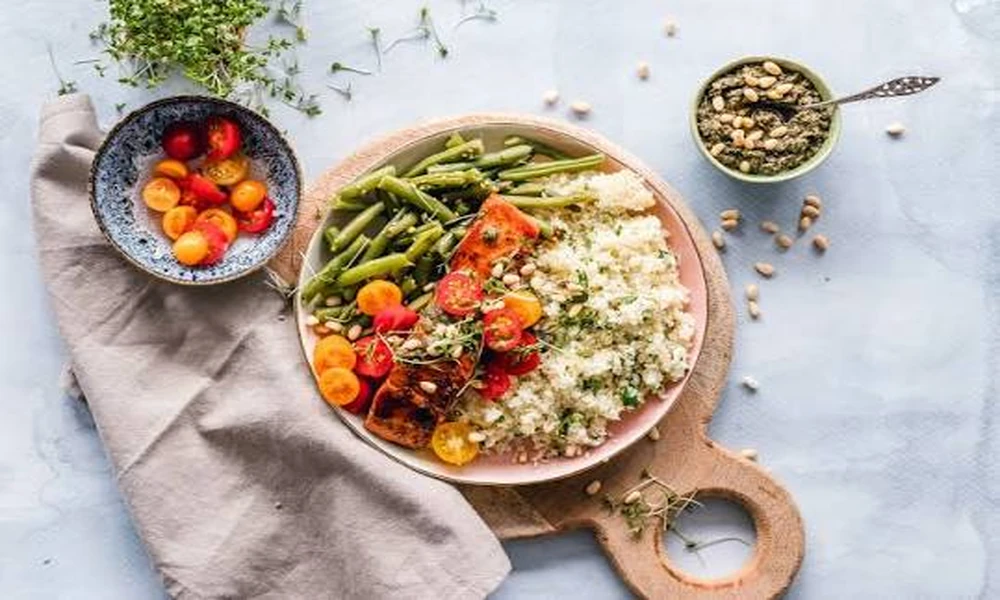
A default dinner works best when it settles one decision while leaving useful room for change. Choose a filling you enjoy and know how to prepare, then vary the accompaniment according to appetite and what is in the kitchen. You do not need to repeat an entire plate to benefit from having a familiar starting point.
The idea is practical rather than prescriptive. Some people enjoy inventing dinner every evening; others would rather stop reconsidering the main component on certain days. A default can be available without becoming mandatory. Its value depends on whether it makes an ordinary meal easier to plan in your household.
Define the part you want to stop reconsidering
Identify the decision that keeps reopening. It might be the main food, the preparation method or the combination of a main component and one side. Keep the default no larger than necessary. If choosing a filling is the difficult part, there is no reason to prescribe every garnish and place setting as well.
A familiar potato-and-cheddar filling is one possible starting point for someone who enjoys it. Poppin’ Cheddar Bites offer that combination in a mini format. Choosing it as a default would settle the filling and format, while leaving open whether the meal includes a crisp vegetable, a cooked accompaniment or another suitable food already at home.
Before settling on a purchase, a shopper can compare the filling descriptions for Holy Perogy in Chicago. The useful question is which option you want to return to, rather than which name sounds most exciting once. The page’s retailer information can then support investigating the selected variety with a store.
Choose familiarity honestly. If you have not tried the food, treat the first purchase as an opportunity to learn your preference rather than immediately stocking up. A default should grow out of a meal you want to make again. No product description can guarantee that a filling will become a household favorite.
Keep two different accompaniment directions
Think in distinct meal directions rather than minor garnish changes. One evening might pair the dumplings with a cool, crisp vegetable accompaniment. Another could place them beside a simply cooked vegetable with a different flavor. The dumpling remains recognizable, but the eating experience is not identical.
Make those directions fit ingredients you commonly use. If one option requires a special shopping trip every time, it may not be a useful default companion. A flexible idea such as a suitable fresh vegetable with your usual dressing can be more practical than a fixed combination of several perishable extras.
Keep sauces deliberate. A potato-and-cheddar filling already supplies a cheese element, so an additional creamy sauce is a preference rather than a requirement. You might choose a small amount of a familiar condiment on one evening and leave it aside on another. Changing the finish should serve the meal, not create a rule that variety requires more ingredients.
Allow the household to use the same main component differently. One person may want a pronounced dressing while another prefers a plain side. Offering a finish separately can preserve those choices without requiring separate cooking projects. A default is easier to keep when it does not force everyone into identical plates.
Do not confuse flexibility with vagueness. “Anything from the refrigerator” can leave you back at the original decision. Name a couple of realistic directions and make sure you can picture them. That gives you somewhere to begin while still allowing the actual vegetable or condiment to change.
Buy according to actual use
Watch what happens over several ordinary dinners. Do you reach for the default, or does the food stay untouched while you choose other meals? Use that observation when shopping. Buying more because the concept sounds useful is different from buying food your household actually prepares.
Consider freezer space alongside frequency. A default does not require a large reserve, especially in a shared kitchen. Keep the product identifiable, retain its package directions and choose quantities that fit the available storage. It should be easy to find the food when wanted without allowing it to crowd out other household needs.
Read the preparation instructions for the purchased product rather than assuming familiarity removes that step. Holy Perogy’s dumplings are frozen and uncooked. Follow the current package directions and plan the accompanying food around the method you will use. A default meal still needs appropriate preparation each time.
A brief shopping note can capture what matters: the exact filling, the format and the accompaniment you intend to use next. It need not become an elaborate meal schedule. The note should reflect a likely dinner, not a collection of theoretical combinations that justify buying several extra bags.
Change the default when it stops serving you
Preferences shift, schedules change and a once-useful meal can become less appealing. That is a reason to reassess, not to defend the original decision. If you no longer want the filling or the preparation no longer fits the evening, choose a different starting point when the current food has been appropriately used.
Look at the source of the boredom before replacing everything. You might still enjoy the dumpling but be tired of the same dressing. Alternatively, changing sides may not help because the filling itself no longer appeals. Distinguishing those situations keeps you from making unnecessary changes or forcing variety where it is not solving the problem.
The measure is ordinary and personal: when dinner comes around, does this familiar choice still feel welcome? Keep it available while the answer is yes, and give its companions enough room to vary. A default can settle the opening decision while leaving the rest of the plate open to the evening you are actually having.