
Key Takeaways
- Tabletop quartz offers a balance of durability, consistency, and modern appeal
- Visiting a furniture store in Singapore allows hands-on comparison and reflection
- Material choice should align with daily habits, not just design preferences
- Thoughtful selection leads to furniture that supports long-term living needs
Introduction
Furniture decisions reflect how we live, host, work, and unwind at home. When choosing a dining or table surface, many homeowners find themselves drawn to tabletop quartz for its clean look and practical qualities. Yet the final decision becomes clearer only after a moment of guided reflection. Walking into a furniture store in Singapore offers more than a chance to browse designs. It provides an environment to observe, compare, and think critically about how materials will function in everyday life.
Why Material Choice Deserves Reflection
Table surfaces are among the most frequently used elements in a home. They endure meals, work sessions, celebrations, and daily wear. Choosing tabletop quartz begins with aesthetics, but its true value lies in how it performs over time. Reflection encourages buyers to consider questions beyond colour and finish. How will the surface handle spills, heat, or repeated cleaning? Will it suit both casual breakfasts and formal gatherings? Quartz surfaces perform best when matched thoughtfully to usage patterns.
What Tabletop Quartz Offers
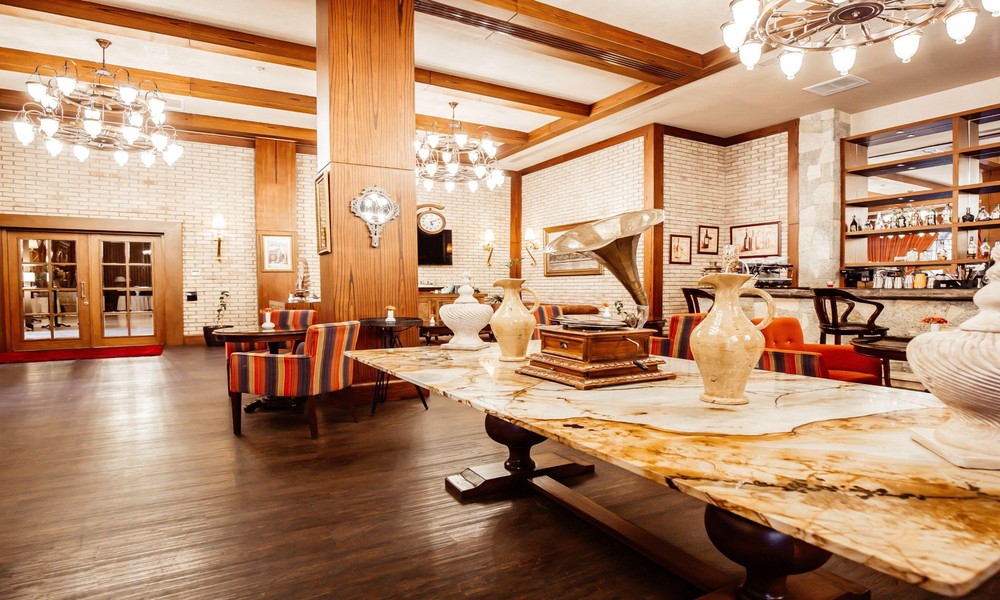
Quartz tabletops are engineered surfaces made from natural quartz combined with resins and pigments. This process creates a dense, non-porous material with consistent colouring and patterning. For many homeowners, tabletop quartz stands out because it resists staining and scratching more reliably than many natural stones. Quartz is a practical option for dining and multi-purpose tables, particularly in busy households. Online images inspire, but they seldom convey scale, texture, or weight accurately. A furniture store in Singapore allows buyers to interact directly with materials. Standing beside a table helps buyers imagine it within their own space.
Reflecting on Lifestyle Compatibility
A key part of guided reflection is aligning material choice with lifestyle. A household with young children may prioritise durability and ease of cleaning. Those who frequently host may value surface stability and visual consistency. However, reflection helps buyers assess whether a particular thickness, edge profile, or finish suits their routines. A visit to a furniture store in Singapore asks these questions without pressure, enabling thoughtful comparison.
Balancing Design Trends with Longevity
Design trends evolve, but furniture investments are long-term. Guided reflection encourages buyers to consider whether a design will remain relevant for years. Quartz’s uniform patterns tend to age more predictably than highly veined natural stones. Neutral, consistent surfaces offer greater longevity across changing décor styles. When viewed in a furniture store in Singapore, these qualities become easier to evaluate in context, supporting choices that feel timeless rather than trend-driven.
Considering Maintenance Without Assumptions
One common misconception is that all stone-like surfaces require similar care. Guided reflection involves understanding real maintenance demands. Reflecting on how much time and effort one is willing to dedicate to upkeep helps determine suitability. Realistic maintenance expectations reduce long-term dissatisfaction.
The Importance of Proportion and Scale
A table that looks balanced online may feel too bulky or too delicate in person. At a furniture store in Singapore, buyers can assess how quartz tabletops interact with table bases, chair heights, and room scale. This holistic view supports better spatial judgement. Proportion mismatches are a leading cause of post-purchase regret in furniture selection.
Reflecting on Daily Interaction, Not Just Occasional Use
Guided reflection shifts focus from special occasions to everyday interaction. How does the surface feel during daily meals? Does it reflect light comfortably or create glare? Is it forgiving to routine wear? By revisiting tabletop quartz options with these questions in mind, buyers move from admiration to practicality. This reflective process leads to choices that support comfort and usability.
Why Slowing Down Improves Furniture Decisions
Guided reflection allows space for questions, comparisons, and reconsideration. A well-curated furniture store in Singapore supports this pace by offering variety without overwhelming. Reflective decision-making improves satisfaction and reduces buyer’s remorse, particularly for long-term purchases. When tabletop quartz is chosen thoughtfully, it becomes a surface that supports daily life with minimal compromise. Reflective buyers tend to prioritise this balance, leading to furniture choices that remain relevant and functional over time.
Conclusion
Choosing a table surface is as much about reflection as it is about design. Guided reflection encourages buyers to consider lifestyle, maintenance, proportion, and longevity before committing. In this process, tabletop quartz often emerges as a balanced option. Visiting a furniture store in Singapore creates the space needed for this reflection. By engaging with materials directly and asking the right questions, buyers move beyond impulse towards confident, well-considered decisions that support everyday living.
If you are exploring quartz dining tables and want the opportunity to reflect, compare, and decide at your own pace, get in touch with Cellini today.