
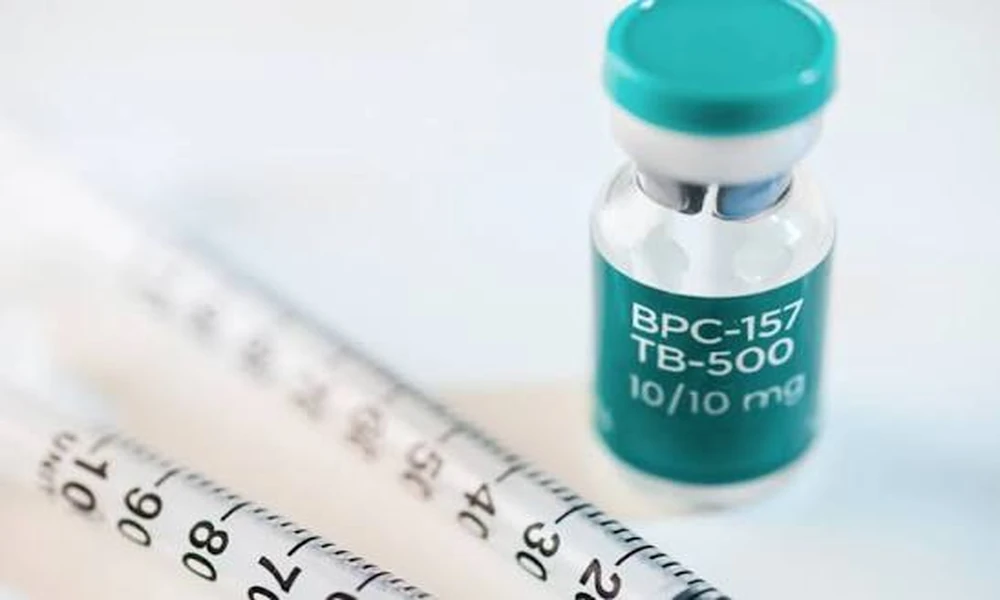
Athletic recovery research applies the wolverine stack protocol by fitting the two-compound intervention into recovery study designs, where tissue repair speed and quality are the measured outcomes and the stack’s mechanisms map directly onto both. Application means more than administration, covering preparation, scheduling, and the measurement plan built around the pairing. Programmes running wolverine stack protocols in athletic recovery models treat the combination as a designed instrument, applied the way its mechanisms suggest. Recovery research adopted the stack because its two actions, vascular growth and cell migration, address the two constraints athletic tissue repair actually faces. The sections below cover the research context, the protocol as studies run it, and the application practice that turns protocol into data.
Athletic recovery research
Athletic recovery research is easiest to see inside a running study. A cohort of subjects with induced or training-acquired soft tissue stress enters the observation window, baseline measures already taken, and the research question is how repair proceeds under the stack against how it proceeds without, so every design choice serves that comparison. Recovery contexts sharpen the stack’s relevance because athletic tissue faces repeated load, and repair that lags invites re-injury while repair that completes restores capacity. Studies in this area, therefore, measure both the speed at which the tissue rebuilds and the load it afterwards bears, two endpoints the stack’s supply-plus-migration mechanism speaks to directly, which is why the compound pairing moved into recovery designs as quickly as it did.
Wolverine stack protocol
Wolverine stack protocol in recovery studies runs on four fixed elements.
- Preparation discipline – Both compounds were reconstituted according to the written protocol, so every administration delivers the stated concentrations
- Administration schedule – Dosing timed against the repair phases the study tracks, held identically across subjects.
- Compound ratio – The BPC-157 to TB-500 relationship is fixed by design and kept constant through the window.
- Measurement alignment – Sampling points set where the mechanisms predict change, early for vascular response, later for tissue quality
Applying the stack
Applying the stack well means holding those elements steady while the study runs, because protocol drift is where recovery data quietly degrades. Preparation shortcuts shift real concentrations, schedule slips blur phase alignment, and any of it surfaces later as variance no analysis can remove, so application discipline is data quality practised in advance. Applied consistently, the protocol lets recovery research answer its comparison cleanly, with treated repair measured against untreated on the grounds that the design is controlled. Studies that hold the four elements produce the findings the literature now carries, faster milestone arrival and stronger repaired tissue, and the finding quality traces back to the application quality, as it always does in protocol research.
Athletic recovery research applies the wolverine stack protocol as a designed instrument, prepared to written standard, scheduled against repair phases, held at a fixed ratio, and measured where the mechanisms predict effects. The running-study view shows why recovery contexts suit the pairing, the four elements show what the protocol actually is, and the application discipline shows how studies keep their data clean. Programmes that apply the stack this way turn a promising combination into measurable recovery findings, which is the conversion of good protocol work that exists to make.