
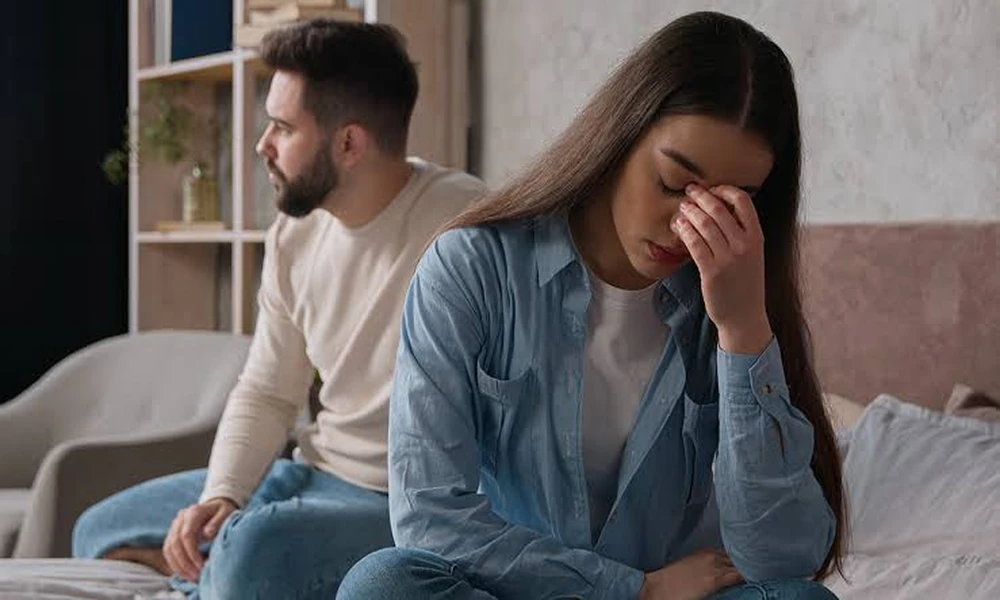
Romantic relationships can bring companionship and emotional security, yet the desire for closeness can sometimes become difficult to manage. Some individuals may constantly seek reassurance, become deeply focused on a partner, or struggle when a relationship feels uncertain. Others may enjoy companionship but become uncomfortable when emotional closeness increases. These contrasting experiences are often discussed in terms of love addiction and love avoidance.
Understanding these patterns can help people recognize how they respond to intimacy and what may be influencing their relationship choices. Rather than viewing these behaviors as permanent personality traits, it can be more productive to consider them as patterns that can be explored and changed with awareness and appropriate support.
When Love Becomes a Source of Emotional Dependence
People who experience love addiction patterns may find romantic relationships occupying a significant amount of their emotional attention. Waiting for messages, worrying about a partner’s feelings, fearing rejection, or repeatedly looking for reassurance can become exhausting. In some situations, a person may remain focused on a relationship even when it consistently creates distress.
This does not mean that caring deeply about someone is unhealthy. Strong affection and emotional investment are normal parts of relationships. Concerns may arise when romantic connection becomes the primary source of self-worth or emotional stability.
Past experiences can sometimes influence these behaviors. Previous relationship difficulties, inconsistent emotional support, or fear of abandonment may contribute to a heightened need for reassurance. Therapy can provide an opportunity to explore these experiences without reducing someone’s identity to a particular label.
Why Some People Pull Away From Intimacy
Love avoidance involves a different response to romantic closeness. A person may genuinely want companionship but feel uneasy when a relationship becomes emotionally demanding. Commitment, vulnerability, or dependence on another person may create discomfort, leading them to distance themselves.
Someone may keep partners at an emotional distance, avoid conversations about the future, or end relationships when intimacy begins to increase. In other cases, they may repeatedly choose unavailable partners because emotional distance feels more comfortable.
Avoiding intimacy does not necessarily mean someone does not want love. It can sometimes reflect learned ways of protecting oneself from disappointment, rejection, conflict, or perceived loss of independence. Recognizing these protective behaviors can be an important part of developing healthier relationship habits.
Developing a More Balanced Approach to Love
Love Addiction & Love Avoidance Therapy can help individuals examine the thoughts, emotions, and behaviors that influence their relationships. Instead of simply trying to change relationship behavior on the surface, therapy can explore the beliefs and experiences underneath those behaviors.
For someone who frequently seeks reassurance, counseling may focus on emotional regulation, self-confidence, boundaries, and developing a stronger sense of identity outside a relationship. Someone who tends to avoid closeness may benefit from exploring discomfort with vulnerability and gradually learning to communicate emotions more openly.
Individual therapy can also help people recognize recurring relationship patterns. For example, a person might discover that they repeatedly become intensely involved very quickly, while another person may notice a pattern of becoming distant whenever a relationship starts feeling serious.
Building healthier relationships does not require becoming completely independent or constantly emotionally available. A balanced relationship allows people to maintain their individuality while also developing trust and connection.
Progress may involve learning to tolerate uncertainty, communicate needs clearly, respect personal boundaries, and respond to relationship concerns without immediately becoming overly dependent or completely withdrawn. These skills can take time to develop, particularly when patterns have existed for many years.
Seeking professional guidance can be useful when relationship behaviors repeatedly cause distress or make it difficult to maintain satisfying connections. A therapist can help an individual understand their personal experiences and develop strategies suited to their circumstances.
Ultimately, love addiction and love avoidance represent very different ways of responding to relationships, but both can interfere with emotional balance when they become persistent patterns. Greater self-awareness and thoughtful therapeutic work can help individuals move toward relationships built around connection, communication, personal boundaries, and mutual respect.