
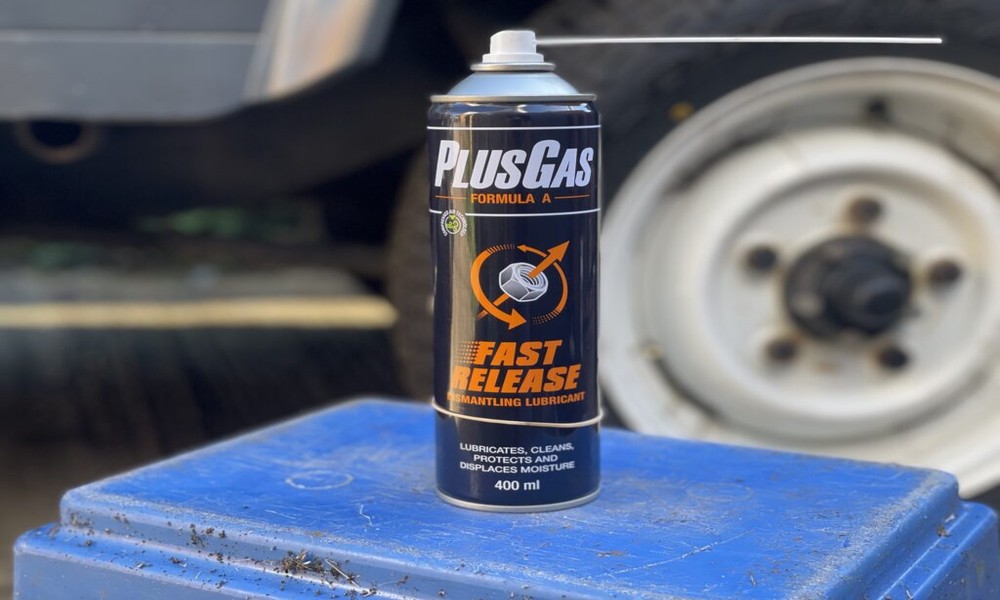
Working with rusted metal parts can be frustrating, especially when bolts refuse to budge or fittings seem permanently fused. This is where the best penetrating fluid becomes an essential tool. Designed to seep into tight spaces and break down corrosion, a high quality penetrant can save time, effort, and even prevent damage to equipment.
Understanding how to use it properly is what separates a quick fix from a prolonged struggle. This guide explores practical techniques, professional insights, and step by step strategies to help you get the most out of the best penetrant for rusted bolts.
Understanding What Penetrating Fluid Does
Penetrating fluid is engineered to flow into microscopic gaps between metal surfaces. Over time, rust and oxidation create bonds that lock components together. The fluid works by loosening these bonds, reducing friction, and restoring movement.
Unlike standard lubricants, the best penetrating fluid has a low viscosity. This allows it to travel deeper into threads and crevices where corrosion is most stubborn. Many formulations also contain additives that dissolve rust and displace moisture, making them highly effective in both indoor and outdoor environments.
When You Should Use a Penetrating Fluid
Knowing when to apply a penetrant is just as important as knowing how. Common situations include:
- Stuck bolts and nuts in machinery
- Corroded plumbing fittings
- Seized automotive parts
- Outdoor equipment exposed to moisture
- Industrial components that have not been serviced regularly
In each of these scenarios, using the best penetrant for rusted bolts can prevent excessive force that might strip threads or snap fasteners.
Preparing the Surface Before Application
Preparation plays a crucial role in effectiveness. Skipping this step can significantly reduce the ability of the fluid to penetrate.
Start by cleaning the visible surface. Remove loose rust, dirt, and debris using a wire brush or cloth. This exposes the metal and allows the fluid to reach deeper layers. If the area is heavily corroded, light tapping with a hammer can create micro fractures in the rust, improving absorption.
Ensure the surface is relatively dry. While many penetrating fluids can displace moisture, excessive water can dilute their performance.
Applying the Penetrating Fluid Correctly
Application technique is where many users make mistakes. Simply spraying and waiting is not always enough.
Apply the best penetrating fluid generously around the base of the bolt or joint. Focus on areas where the fluid can seep into threads. If possible, apply from multiple angles to ensure full coverage.
Allow the fluid time to work. This is critical. Depending on the severity of corrosion, wait anywhere from ten minutes to several hours. In extreme cases, repeated applications over a day may be necessary.
Avoid rushing this process. Patience often determines whether the bolt loosens easily or remains stuck.
Enhancing Penetration with Mechanical Action
To maximize effectiveness, combine chemical action with mechanical assistance.
After applying the fluid, gently tap the bolt head with a hammer. This vibration helps the fluid move deeper into the threads. It also disrupts rust bonds, making it easier for the penetrant to do its job.
Another effective method is to slightly tighten the bolt before attempting to loosen it. This small movement can break the initial grip of corrosion and allow the fluid to penetrate further.
Using the best penetrant for rusted bolts in combination with these techniques significantly improves success rates.
Using Heat for Stubborn Fasteners
Heat can be a powerful ally when dealing with severe corrosion. Carefully heating the surrounding metal causes expansion, which can break rust bonds.
After heating, apply the best penetrating fluid while the metal cools. As the material contracts, it draws the fluid deeper into the threads. This method is widely used in automotive and industrial maintenance.
Always exercise caution when using heat, especially around flammable materials. Ensure proper safety measures are in place.
Choosing the Right Tools for Removal
Even with the best penetrating fluid, improper tools can lead to failure. Use high quality wrenches or sockets that fit snugly around the fastener. Loose tools increase the risk of stripping.
For particularly stubborn bolts, consider using a breaker bar for added leverage. Impact tools can also be effective, as the repeated force helps break corrosion without continuous strain.
Pairing the best penetrant for rusted bolts with the right tools ensures efficient and damage free removal.
Reapplication and Patience
Not all situations resolve quickly. Deep corrosion may require multiple cycles of application and waiting.
If the bolt does not move after the first attempt, reapply the fluid and allow more time. Repeating the process gradually weakens the rust bond.
Consistency is key. Many professionals rely on repeated treatments rather than excessive force, which can cause breakage.
Common Mistakes to Avoid
Even experienced users can make errors that reduce effectiveness. Avoid these common pitfalls:
- Applying too little fluid
- Not allowing enough soaking time
- Using excessive force too early
- Skipping surface preparation
- Ignoring safety precautions
Understanding these mistakes can help you use the best penetrating fluid more effectively and achieve better results.
Safety Considerations
While penetrating fluids are highly useful, they must be handled responsibly.
Work in a well ventilated area to avoid inhaling fumes. Wear gloves to protect your skin, especially during prolonged use. Keep the fluid away from open flames, as many formulations are flammable.
Proper storage is also important. Store in a cool, dry place and keep containers tightly sealed when not in use.
Maintaining Equipment After Loosening
Once the fastener is removed, the job is not complete. Proper maintenance ensures long term performance.
Clean the threads thoroughly to remove any remaining rust or residue. Applying a suitable lubricant afterward can prevent future corrosion. This step is especially important in environments exposed to moisture or chemicals.
Using the best penetrant for rusted bolts not only helps with removal but also highlights the importance of preventive maintenance.
Applications Across Different Industries
Penetrating fluids are widely used across various fields, each with its own challenges.
In automotive repair, they are essential for loosening exhaust bolts and suspension components. In construction, they help maintain heavy machinery exposed to harsh conditions. In home maintenance, they simplify tasks like fixing outdoor fixtures or plumbing connections.
Regardless of the application, the principles remain the same. Proper preparation, application, and patience lead to optimal results.
How to Identify a High Quality Penetrating Fluid
Not all products perform equally. The best penetrating fluid typically has certain characteristics:
- Low viscosity for deep penetration
- Rust dissolving properties
- Moisture displacement capability
- Long lasting lubrication
- Ease of application
Choosing a fluid with these qualities ensures better performance, especially when dealing with heavily corroded parts.
Environmental and Practical Considerations
Modern users are increasingly aware of environmental impact. Some penetrating fluids are formulated to be less harmful while maintaining effectiveness.
When possible, choose options that balance performance with safety. Additionally, consider the working environment. For example, confined spaces may require low odor formulations.
These practical considerations can improve both efficiency and user experience.
Using the best penetrating fluid effectively is a combination of technique, patience, and understanding. It is not just about applying a product but about following a process that allows the fluid to perform at its best.
From preparing the surface to combining mechanical methods and allowing adequate soaking time, each step contributes to success. Whether you are dealing with minor corrosion or severely rusted components, the right approach makes a significant difference.
Mastering these techniques ensures that even the most stubborn fasteners can be handled with confidence. With consistent practice and attention to detail, you can turn a challenging task into a manageable one while preserving the integrity of your equipment.