
Key Takeaways
- Routine servicing focuses on prevention, while repairs address existing faults.
- Repair work involves more technical tools and longer service time.
- Regular servicing reduces the likelihood of costly repairs over time.
Introduction
When systems start to exhibit signs of inefficiency or failure, it becomes crucial to understand the distinction between air conditioning repair service and air conditioning service in Singapore. Many users only react when cooling performance drops, yet the type of service required depends on whether the issue stems from maintenance neglect or an actual fault. Without this distinction, it becomes easy to misinterpret service recommendations or question pricing differences. Knowing how each service functions allows users to make informed decisions that support both system performance and long-term cost management.
1. Preventive Maintenance Versus Fault Correction
Routine servicing focuses on maintaining system performance before issues develop, while repair work addresses faults that have already affected operation. When users schedule regular maintenance, technicians clean internal components and check for early signs of wear. In contrast, repair services begin following a breakdown or clear malfunction, which shifts the focus to finding and resolving specific problems. This difference in timing explains why servicing tends to be scheduled while repairs occur as needed.
2. Differences in Scope of Work
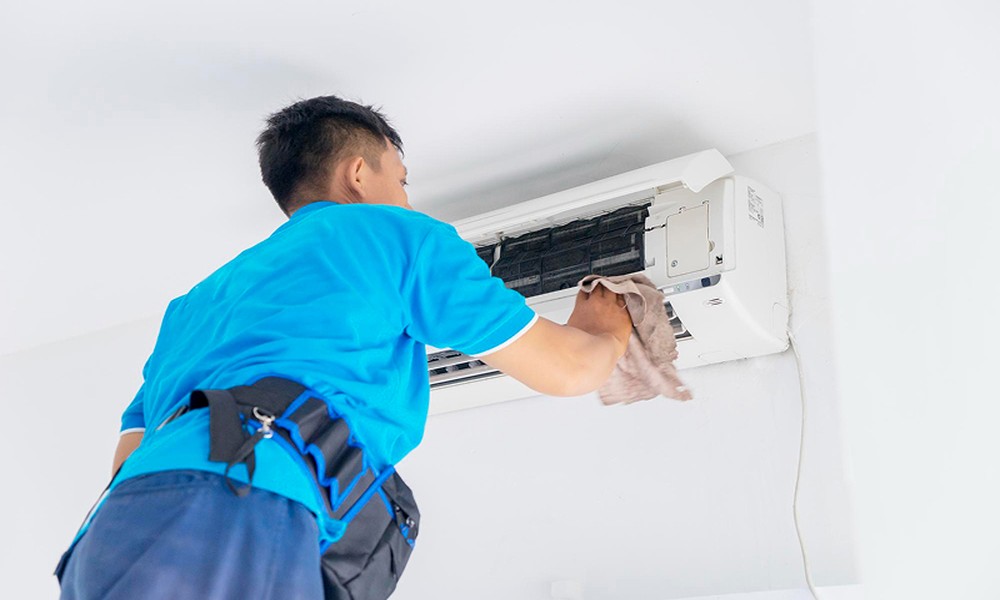
Servicing usually involves cleaning filters, clearing drainage systems, and ensuring that airflow remains unobstructed. These tasks help maintain efficiency and prevent minor issues from escalating. Repair work requires a more detailed approach that includes dismantling components, identifying faults, and replacing damaged parts. Because repairs target specific problems, the scope often varies depending on the condition of the unit and the complexity of the issue.
3. Tools and Technical Requirements
The equipment used for servicing differs from what technicians bring for repairs. Routine maintenance relies on basic tools designed for cleaning and inspection, which support quicker turnaround times. Specialised equipment is needed for repair operations so that professionals may precisely identify system problems and test electrical components. The presence of these tools reflects the technical nature of repair services, where precision becomes essential to restoring proper function.
4. Time Required for Completion
Servicing appointments tend to follow a predictable timeframe because the tasks remain consistent across most units. Technicians can complete maintenance for multiple units within a short visit, depending on the number of systems involved. Repair work, however, depends on the nature of the fault, which can extend the duration of the appointment. Diagnosing issues, sourcing parts, and completing replacements often require additional time, especially when multiple components are affected.
5. Variation in Cost Structure
Routine servicing typically follows a fixed pricing model based on the number of units, which makes it easier for users to plan maintenance expenses. Aircon repair services in Singapore involve a different structure that includes diagnostic fees, labour, and replacement parts. This variation reflects the unpredictability of faults, where costs depend on what needs to be repaired or replaced. Understanding this difference helps users interpret service quotations more accurately.
6. Frequency and Long-Term Impact
Servicing occurs on a regular schedule to maintain system performance, while repairs happen only when necessary. Consistent maintenance reduces the likelihood of system failures, which limits the need for more complex repair work. This strategy eventually promotes more consistent performance and increases the unit’s lifespan. Users who follow a maintenance schedule often experience fewer disruptions compared to those who rely solely on reactive repairs.
Conclusion
Both regular maintenance and sporadic repairs are necessary for air conditioning systems, but each service has a distinct function in preserving performance. When users understand how these services differ, they can respond more effectively to changes in system behaviour. This clarity supports better decision-making, ensuring that maintenance and repairs contribute to long-term efficiency rather than short-term fixes.
Contact Newway Air Conditioning to schedule your next air conditioning service in Singapore and maintain reliable cooling performance.