
Key Takeaways
- Preparation, lifestyle habits, and expectations shape how eyelash extensions turn out.
- Technique, materials, and eye health matter more than trends.
- Maintenance routines influence how natural and comfortable lashes feel.
- Good communication with your technician leads to smoother results.
Introduction
There is something quietly transformative about waking up with defined lashes, even before coffee kicks in. Many people are drawn to eyelash extensions for this very reason, yet few pause to consider what sits behind the glossy Instagram photos. These extensions involve more than choosing a style and lying back on a treatment bed. Discover the practical details that make the difference between a satisfying experience and a frustrating one.
1. Your Natural Lashes Set the Starting Point
Every set of lashes has its own rhythm. Some grow quickly, some shed faster, and some respond better to adhesive than others. Before committing to eyelash extensions, it helps to understand that your natural lash health determines how full, lightweight, or dramatic the final result can look. Weak or sparse lashes do not mean you cannot have extensions, but they may require lighter lengths and smaller diameters to avoid strain.
A good technician will assess your lashes rather than applying a standard design. This assessment usually considers lash density, curl direction, and sensitivity. It also shapes recommendations around volume level, mapping style, and even curl type. When this step is rushed, extensions may feel heavy or look inconsistent within days. When it is done properly, eyelash extensions blend more naturally and feel comfortable throughout daily wear.
Another detail people overlook is recent lash history. If you have used lash serums, had a lash lift, or removed extensions recently, mention it. These factors influence bonding strength and styling options. Sharing this context saves time and prevents mismatched expectations.
2. The Technique Matters More Than the Trend
Social media cycles through wispy, wet-look, anime, and mega-volume styles at a dizzying pace. Trends can inspire ideas, yet technique determines how wearable those styles become. Eyelash extensions should be individually attached to a single natural lash. When multiple natural lashes are accidentally glued together, discomfort and premature shedding tend to follow.
Material quality also plays a quiet but important role. Fibres differ in weight, flexibility, and finish. Some feel feather-light, while others hold curl more rigidly. Adhesives vary in drying time and vapour level, which affects comfort during application. A conversation about these technical choices tells you more about a salon’s standards than a wall of style photos.
If a technician explains why a certain look suits your eye shape or lash condition, take that as a positive sign. It suggests the focus is on structural compatibility rather than pushing a preset design. Eyelash extensions applied with this mindset age better between fills and maintain a more balanced appearance.
ALSO READ: Finding Your Flutter Match – The Ultimate Guide to Lash Extensions for Every Eye Shape
3. Maintenance Is Part of the Commitment
Many people imagine eyelash extensions as a one-time treatment with effortless upkeep. Reality sits somewhere in between. Lashes shed naturally, and extensions shed with them. This means infills become part of the routine.
Daily habits influence retention more than most expect. Oil-based cleansers, heavy eye creams, and constant eye rubbing weaken adhesive bonds. Sleeping face down can bend or twist lashes, which shortens wear time. Gentle cleansing with a lash-safe cleanser removes debris and makeup, keeping the lash line healthier and reducing irritation.
Brushing lashes lightly in the morning helps maintain shape, while avoiding waterproof mascara prevents product buildup. These small actions accumulate into better-looking lashes over weeks, not just days. When people skip aftercare, they sometimes blame the extensions themselves, when the issue lies in routine choices.
4. Comfort and Safety Should Never Feel Optional
A slight tickle during application is normal. Burning, sharp stinging, or heavy pressure is not. Eyelash extensions should never cause pain. If they do, speak up immediately. Silence out of politeness can lead to unnecessary discomfort and, in rare cases, lash damage.
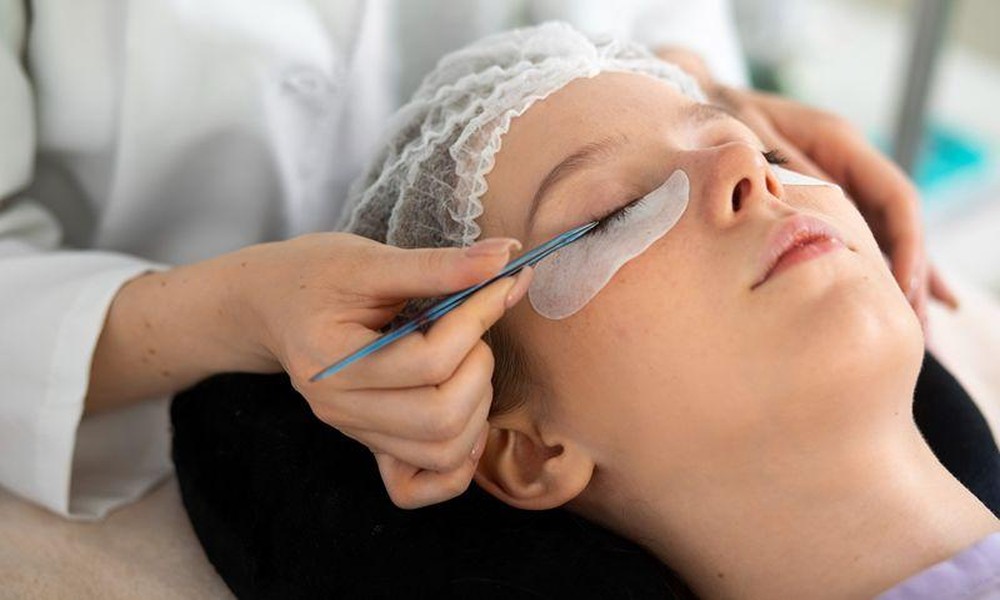
Patch testing may be recommended for sensitive eyes, especially if you have reacted to cosmetic adhesives before. While reactions are uncommon, knowing your tolerance level provides peace of mind. Ventilation, eye pad placement, and isolation techniques all influence comfort levels, so observe how the space feels as well as how it looks.
Another safety aspect involves breaks between sets. Continuous wear without rest periods may weaken natural lashes over time. Taking occasional breaks allows lashes to complete their growth cycle and recover fully, which supports healthier future applications.
Conclusion
Eyelash extensions work best when approached as a collaboration rather than a quick beauty fix. Understanding your natural lashes, paying attention to technique, committing to maintenance, and prioritising comfort create a smoother experience from start to finish. When expectations align with practical realities, eyelash extensions feel less like a gamble and more like an informed choice.
Contact Dreamlash to speak with a professional technician and discuss eyelash extensions suited to your lash condition, lifestyle, and aesthetic preferences.