
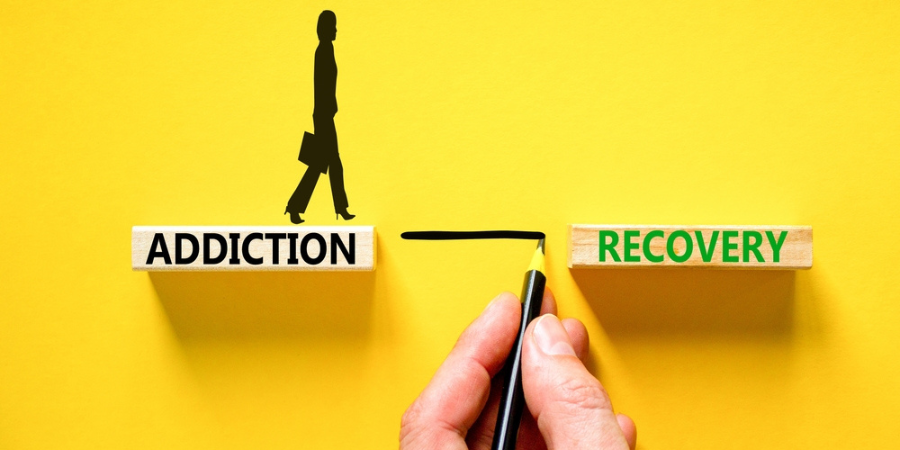
Recovering from substance dependence often begins with a difficult but essential decision — to seek help. The path ahead can feel overwhelming, especially when withdrawal symptoms, emotional distress, and the uncertainty of what comes next cloud the mind. Yet, with a well‑structured recovery process — combining medical care, therapy, and long‑term support — it is possible to rebuild health, identity, and hope.
The Beginning: Detoxification and Stabilization
The first chapter of the recovery journey typically starts with medical detoxification, a process designed to safely purge the body of harmful chemicals and manage withdrawal symptoms. Detox is a critical first step because abrupt cessation of drugs or alcohol can trigger serious physical and psychological reactions. Under professional supervision, detox usually lasts between several days to two weeks, depending on the substance involved and the severity of dependence.
During these early days, symptoms such as cravings, anxiety, tremors, insomnia, and mood swings may peak — but with continuous monitoring, adjustments in care, and supportive therapies, the person’s body gradually stabilizes. This stage clears the way for deeper healing: without it, progressing toward full recovery is far more difficult.
Building Foundations: Therapy and Rehabilitation
Once detox is complete and the body begins to adjust, the focus shifts to comprehensive rehabilitation. This isn’t simply about staying clean — it’s about rebuilding one’s life, understanding root causes of addiction, and learning healthier coping skills. Typical rehabilitation programs extend from 30 to 90 days, often longer for complex or deeply ingrained patterns.
In this phase, individuals engage in a range of therapeutic approaches: individual counselling to explore personal history and triggers, group therapy to connect with others facing similar struggles, behavioral therapies to change destructive patterns, and holistic support — lifestyle adjustments, mental health care, relapse‑prevention strategies, and social reintegration.
Recovery isn’t one‑size‑fits‑all. The most effective rehabilitation plans are tailored — taking into account each individual’s background, physical health, psychological state, and long‑term recovery goals.
At this stage, many are introduced to care structures analogous to detox and recovery in Austin — referring broadly to integrated, structured care that combines detox, therapy, and aftercare. The emphasis lies on safe withdrawal followed by comprehensive support, rather than short‑term fixes.
Long-Term Recovery: Reintegration and Sustained Wellness
Completing detox and rehab does not mark the end of recovery; rather, it signals a transition into long-term healing and reintegration. Aftercare — a mix of outpatient therapy, support groups, relapse prevention planning, and lifestyle restructuring — plays a pivotal role in maintaining sobriety and reducing risk of relapse. Many experts recommend ongoing support for months or even years after formal treatment ends.
This long-term phase focuses on helping individuals gradually re-enter everyday life — work, family, social relationships — with the tools and resilience they need. By continuing therapy, building stable routines, fostering supportive relationships, and practicing coping strategies, many reclaim a sense of purpose and normalcy that addiction once eroded.
Equally important is addressing emotional healing and psychological resilience. Addiction often thrives on unresolved trauma, stress, or underlying mental health issues. Through therapy, coping skills, and community support, individuals rebuild their identity around health, self-respect, and empowerment rather than dependence.
Finally, the journey toward recovery is deeply personal. Timelines may vary widely — what works for one person may not for another. But the common thread across successful recoveries is this: sustained commitment, comprehensive care, and a supportive environment that encourages growth beyond just abstinence.