
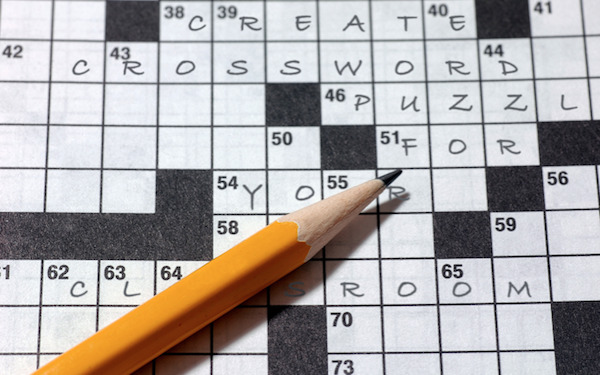
Speed solving crossword puzzles requires recognising repeating patterns rather than treating each clue as a unique challenge. Experienced solvers develop mental libraries of common answers, frequent letter combinations, and typical clue formulations that accelerate completion times. Pattern recognition transforms solving from a laborious word-by-word struggle into an efficient, systematic process. Mastering פתרון תשבצים through pattern awareness allows completing puzzles in a fraction of the time that pattern-blind solving requires, making daily puzzle habits more sustainable and enjoyable.
Common letter combinations
Vowel placement patterns follow natural language distribution, where E dominates, followed by A, O, I, then U in descending frequency order. This hierarchy informs strategic guessing when multiple vowel options seem plausible for unsolved squares. When beginners need עזרה בתשבץcrossword help with letter selection, understanding frequency patterns transforms wild guessing into statistically informed decisions that succeed more often, improving solving speed and confidence simultaneously.
- Three-letter combinations, including THE, ING, ION, AND, TIO, create building blocks appearing across countless longer words
- Double letter patterns like LL, SS, EE, OO occur in predictable word positions following standard spelling conventions
- Starting clusters such as STR, THR, SHR, SCR begin many common words, making them valuable pattern recognition targets
- Ending combinations including TION, NESS, MENT, ABLE, complete numerous words, creating reliable solving shortcuts
- Consonant clusters like TCH, NGT, MPT appear in specific contexts that experienced solvers recognise instantly
These letter pattern familiarities develop through practice as solvers internalise English orthographic structures that crossword construction necessarily reflects, since puzzles use real dictionary words following standard spelling rules.
Short word mastery
Three and four-letter answers constitute a puzzle framework since these short entries create interlocking structures connecting longer answers across grids. Mastering common short words accelerates solving because these entries appear repeatedly across different puzzles with limited variation. The restricted letter count means that even with minimal crossing letters, possible answers are narrowed to manageable shortlists that educated guessing can resolve quickly.
- Directional words like East, West, North, South appear constantly as both full words and abbreviated forms
- Plural forms adding S to common nouns create easy answers when clue phrasing indicates multiple quantities
- Past tense verbs ending in ED provide reliable answers when clues reference historical actions or completed events
- Articles and conjunctions, including The, And, But, For, fill awkward grid spaces that longer words cannot accommodate
- Common names like Anna, Otto, Ezra work well in crosswords due to their vowel-consonant balances
These frequently appearing short words become solving anchors that establish grid frameworks, enabling longer intersecting answers through provided crossing letters that short entries generate efficiently. Solving crosswords faster through pattern recognition involves mastering common letter combinations appearing frequently in English words, utilising fill-in-the-blank shortcuts that reference known phrases, achieving short word mastery of three and four-letter entries forming puzzle frameworks, developing ending pattern recognition identifying word suffixes from clue types, and employing cross-reference techniques that maximise information from strategically ordered solving. These pattern-based approaches transform crossword solving from vocabulary tests into efficient, systematic processes where recognising repeating structures accelerates completion dramatically.