
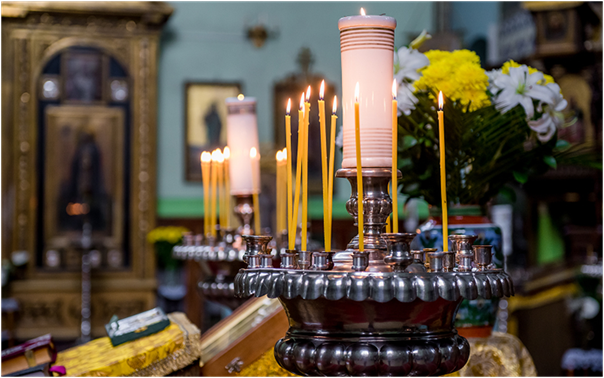
In Singapore, funeral directors serve families from religious and cultural backgrounds. With various communities including Chinese, Malay, Indian, and Eurasian populations, each group brings distinct customs and expectations to the farewell process. A Singaporean funeral must honour these cultural needs while also meeting the emotional and logistical requirements of the family. Funeral directors must stay informed, respectful, and adaptive in delivering services that align with each community’s values.
Understanding Core Religious Practices
Funeral directors are expected to manage rites for Buddhism, Taoism, Islam, Christianity, Hinduism, and other belief systems. Each tradition has its timeline, symbols, and ceremonial flow. For instance, Taoist funerals may involve chanting and elaborate rituals, while Muslim services prioritise immediate burial with simplicity and prayer. Directors must ensure that arrangements comply with religious laws, especially when dealing with sacred practices like body preparation or grave placement.
Communication with Family Representatives
Managing cultural sensitivity requires careful and respectful communication with family members. Directors must listen attentively and ask clear, appropriate questions to understand expectations. In many cases, families are led by elders or religious figures who guide the correct procedures. Funeral directors maintain strong relationships by deferring to these leaders and avoiding assumptions about the family’s preferences. Effective communication helps reduce errors and builds trust throughout the process.
Respecting Symbolism and Custom
A Singaporean funeral may include symbols that hold deep spiritual or cultural significance. White is a mourning colour for Chinese families, while flowers may be excluded from Muslim services. Funeral directors are responsible for ensuring that these elements are applied or omitted according to the family’s wishes. Details such as prayer timings, order of speeches, arrangement of photos, and even seating order may reflect tradition. Directors ensure these aspects are honoured without imposing personal views.
Adapting to Language and Cultural Nuance
Singapore’s multicultural setting means that funeral directors work with families who speak different languages or dialects. Understanding basic greetings or ceremonial terms in Mandarin, Malay, Tamil, or dialects like Hokkien and Teochew shows respect and care. In addition, directors must understand how different cultures express grief—some may mourn quietly, while others may do so openly. This cultural awareness helps directors provide a space that accommodates various expressions of sorrow.
Balancing Tradition with Urban Limitations
Singapore’s space limitations affect how funerals are conducted, especially for traditional setups. Directors are sometimes required to balance cultural expectations with public regulations. For instance, some communities prefer extended funeral wakes, which may not always be possible in shared spaces or void decks. In such cases, directors must work with the family to find practical alternatives that retain symbolic meaning. This balance requires negotiation skills and a deep understanding of the customs involved.
Learn More: Understanding the Cultural Traditions in Singapore Funerals
Training and Ongoing Education
The role of funeral directors requires continuous learning. The expectations of Singaporean families evolve as cultures do. Professional development includes workshops, mentorships, and exposure to different ceremonial practices. Directors who engage in ongoing education remain equipped to provide relevant guidance. They avoid outdated methods and are better prepared to answer questions or offer alternatives when necessary.
Collaborating with Faith Leaders
Funeral directors collaborate with religious leaders to achieve spiritual requirements. For example, Christian pastors, Buddhist monks, or Islamic imams may each have specific roles during the funeral. Directors manage their participation and ensure ceremonial integrity is upheld without disrupting flow or confusion.
Managing Cultural Sensitivity with Neutrality
While funeral directors may come from specific cultural backgrounds themselves, professionalism requires them to approach all families with neutrality. Their focus remains on respecting each request without personal bias. Directors are trained to listen, observe, and follow the lead of the family and faith representative. This objective stance allows them to serve a diverse community without compromising the emotional or cultural significance of the ceremony.
Upholding Dignity Through Cultural Awareness
In every Singaporean funeral, the objective remains the same: to honour the life of the deceased while supporting the family’s journey through grief. Funeral directors are the unseen coordinators who ensure this experience is handled with dignity. Their cultural sensitivity is not just about following rituals—it’s about helping families feel heard, respected, and supported throughout one of life’s most difficult transitions.
For more information about funeral arrangements in Singapore, contact Casket Fairprice today.