
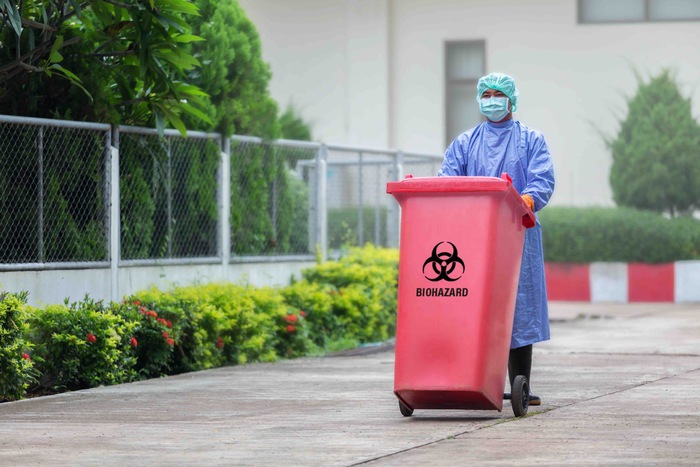
When you walk into a hospital or the office of a doctor, you probably do not think about what happens to used needles, blood-soaked gauze, or expired medications.
However, for healthcare workers and medical waste professionals, the safe handling of these materials is a priority. Behind every clean examination room and sterile operating table is a well-organized system for collecting and disposal of medical wastes.
So, how is medical waste collection done, especially when it is done by the medical waste disposal services virginia? You will learn the steps on how to perform medical waste disposal services accordingly.
Segregation at the source
Proper medical waste collection is the first and most important step when wastes are disposed of. These medical wastes can be from different facilities, such as:
- hospital
- dental clinic
- veterinary office
- laboratory
- tattoo parlor
A highly rated disposal service emphasizes waste segregation. It means separating types of waste into clearly labeled containers, such as:
- Red bins. These bins are for biohazardous waste, such as:
- soiled dressings
- surgical waste
- Yellow or black bin These bins are intended for pharmaceutical and chemotherapy wastes.
- Blue bins. These bins are for non-hazardous recyclables, such as clean plastics.
- Puncture-proof sharps bins. These bins are designed for the following:
- needles
- blades
- other sharp objects
Secured containment
After sorting, the wastes are placed into an approved and leak-proof container, it is best when they are puncture-resistant containers. These containers can prevent exposure to harmful materials, they are often color-coded with a biohazard symbol. These providers will ensure that their clients are using the right containers and meeting the local and federal safety standards.
Scheduled and on-demand collection or pickups
The best medical waste disposal services are offering flexible pickup schedules tailored to the facility’s needs. Some need daily pickups, while those smaller clinics need weekly and monthly collection services. The collection teams will arrive in specialized vehicles, which are marked for transporting hazardous materials.
The vehicles used for the collection of these medical wastes are designed for the collection of these specific wastes, which have features of the following:
- temperature-controlled
- GPS-tracked
- meets Department of Transportation guidelines
Documentation and the chain of custody
Trustworthy medical waste disposal service provider takes the wastes and documents every process, including:
- Issuing a manifest or tracking form for every pickup
- Recording important details, such as:
- Time
- Date
- Location
- Type of waste collected
- Maintains a secure chain of custody during the collection to final disposal
These records are important for legal compliance and providing the healthcare facilities peace of mind about their waste being handled responsibly.
Treatment and final medical waste disposal
After the collection of waste, it is transported to the treatment facility. The process of treatment is done by the medical waste disposal provider following the right treatment:
- Infectious wastes are sterilized using autoclaves
- Pharmaceuticals and chemotherapy wastes are incinerated in high-temperature facilities
- Sharps are melted or crushed after sterilization
- Some treated wastes are compacted and sent to sanitary landfills
The medical waste disposal provider prioritized the environmentally friendly options.
Conclusion
The trusted medical waste disposal service provider operates with precision and professionalism. They are trained staff and provide secure containers and respect the timely pickups with eco-conscious disposal methods. The provider prioritizes customized plans and maintains strong safety records, while at the same time supporting you with full compliance documentation.