
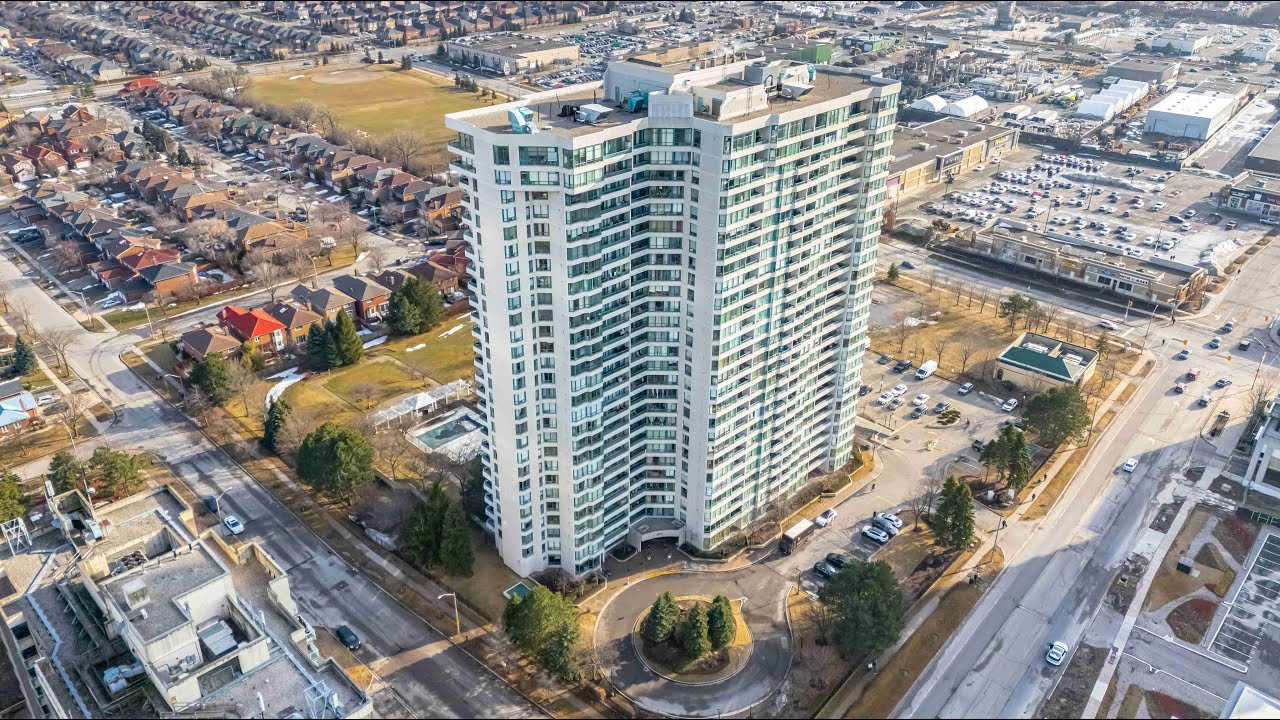
Understanding utility billing structures represents an essential aspect of condominium ownership that many prospective buyers overlook. Communities like springleaf-residences implement various systems for measuring and allocating utility costs among unit owners, each with distinct advantages and considerations. Knowing how these systems work helps owners budget accurately and avoid unexpected expenses associated with their monthly housing costs.
Common measurement approaches
Condominium associations employ several methods to track utility usage, with the approach varying based on building age, infrastructure, and management philosophies. Master metering places a single meter for each utility at the building level, measuring total consumption for all units and common areas combined. This older approach remains common in buildings constructed before individual metering became standard. The association then divides costs among owners using predetermined formulas.
Submetering installs individual meters for each unit while maintaining the master meter connection. This modern approach allows precise measurement of each unit’s consumption while the association retains the utility account relationship. Data from these meters creates usage-based billing that accurately reflects each owner’s consumption patterns. Direct metering establishes individual utility accounts between each owner and the utility provider. With this arrangement, owners receive bills directly from utility companies based on usage. This system eliminates association involvement in usage billing but may increase individual connection fees.
Allocation methods for shared costs
When utilities lack individual metering, associations must allocate costs using consistent, fair methods. Several allocation approaches have emerged as standard practice in condominium communities. Square footage allocation divides costs based on each unit’s size relative to the building’s total living area. This straightforward method assumes larger units consume more resources, creating a simple percentage-based division. While not reflecting actual usage patterns, this approach offers simplicity and predictability.
Fixed percentage allocations assign specific portions of utility costs to each unit based on factors documented in the association’s governing documents. These percentages often consider unit location, number of bathrooms, or other factors beyond simple square footage. Once established, these percentages rarely change without formal amendments to governing documents. Some communities use hybrid systems combining multiple factors:
- Base fees are divided equally among all units
- Variable costs allocated by square footage or percentage
- Seasonal adjustments for heating or cooling costs
- Special allocations for amenity-heavy units
Common area utility expenses
Common areas consume substantial utility resources that benefit all residents collectively. These shared spaces include lobbies, hallways, swimming pools, fitness centres, and landscaped grounds that enhance community living. Expenses for these areas typically include:
- Lighting for parking areas, walkways, and interior common spaces
- Heating and cooling of lobbies, hallways, and amenity areas
- Water for landscape irrigation and recreational facilities
- Power for elevators, security systems, and mechanical equipment
These expenses become part of the association’s operating budget, funded through regular assessments rather than separate utility bills. Associations track these costs carefully to identify efficiency opportunities and control assessment increases.
When pursuing such projects, associations typically evaluate return on investment, considering immediate savings and long-term benefits to the community. Successful initiatives often become models for neighbouring properties seeking similar improvements.