
Introduction
Lighting has evolved far beyond the simple purpose of illuminating dark spaces. Today, it plays an important role in interior design, commercial architecture, product development, and industrial applications. LED strip technology has become particularly popular because it combines energy efficiency, flexible installation, and creative lighting possibilities. From decorative ceiling designs to retail displays and outdoor installations, LED strips offer practical solutions for different environments. As demand for advanced lighting continues to grow, manufacturers are focusing on product quality, customization, and reliable performance to meet changing market expectations.
Understanding the Development of LED Strip Lighting
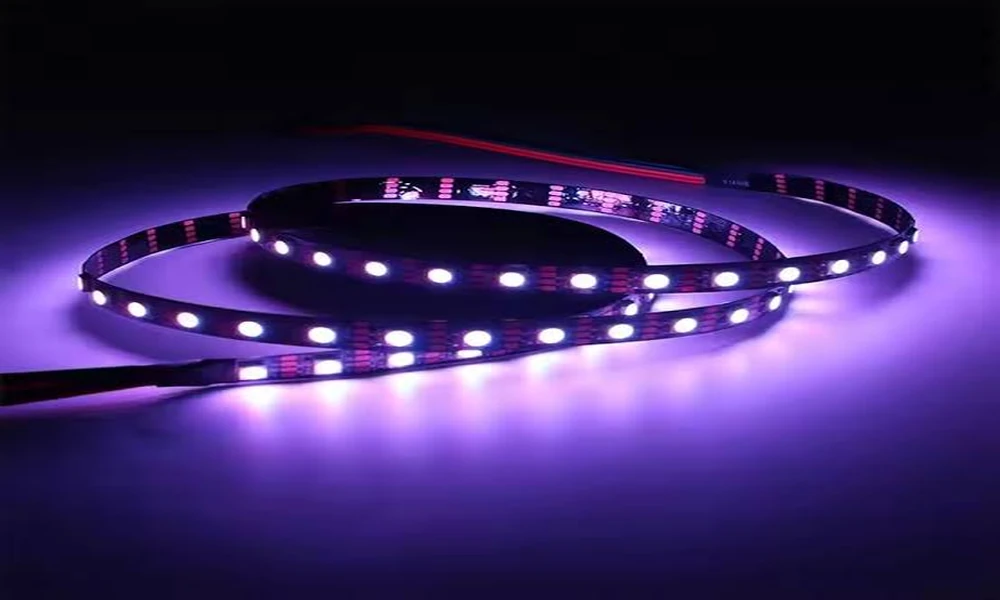
LED strip lighting has gained attention because of its compact structure and adaptability. Unlike conventional lighting fixtures, LED strips consist of multiple light-emitting diodes mounted on a flexible circuit board. This design allows installation along curved surfaces, narrow spaces, furniture edges, and architectural features. Improvements in LED technology have also increased brightness, color consistency, and operational efficiency. Modern products are available in different voltages, colors, densities, and waterproof ratings, making them suitable for residential, commercial, and industrial applications where traditional lighting systems may offer limited flexibility.
Why Manufacturing Quality Matters in LED Products
The performance of an LED strip depends on several manufacturing factors, including component selection, circuit board quality, heat management, and assembly precision. A reliable LED lighting manufacturer China considers these elements throughout the production process to maintain consistent product standards. High-quality LEDs can provide stable illumination while reducing unnecessary energy consumption. Proper insulation and circuit protection also help minimize electrical problems during operation. Manufacturing standards become especially important for large installations, where inconsistent brightness, color variations, or premature product failure can increase maintenance expenses and affect the overall lighting experience.
Exploring Color Temperature and RGBW Technology
Color temperature influences how a space looks and feels. Warm white lighting generally creates a comfortable atmosphere, while cooler white tones are commonly selected for workspaces and functional environments. RGBW technology adds another dimension by combining red, green, blue, and dedicated white LEDs within a single strip. This arrangement allows users to create colorful lighting effects while maintaining access to a separate white-light output. For example, a 5050 RGBW LED Strip CCT: 2700K-3000K can support warm white lighting requirements alongside decorative color effects, making it suitable for hospitality spaces, residential interiors, and customized architectural projects.
Customization Requirements in Modern LED Manufacturing
Different lighting projects require different product specifications. Factors such as strip length, LED density, operating voltage, brightness, color temperature, and waterproof protection can influence product selection. Businesses developing customized lighting solutions often look for a LED strip OEM manufacturer capable of supporting specific technical requirements. OEM production can involve customized circuit boards, product configurations, packaging, and electrical specifications. This flexibility helps lighting brands develop products that match their target markets and application needs. Clear communication between buyers and manufacturers is essential for confirming technical details before production begins.
Applications Across Residential and Commercial Spaces
LED strips are widely used in residential interiors because they can enhance both functional and decorative lighting. They are commonly installed beneath kitchen cabinets, along staircases, behind televisions, and inside wardrobes. In commercial environments, these products support display lighting, retail shelving, hotel interiors, restaurants, and office decoration. Their flexible construction makes it easier to illuminate areas where conventional fixtures may not fit conveniently. Different brightness levels and color options also allow designers to create distinct lighting arrangements without requiring complicated installation systems.
Energy Efficiency and Long-Term Performance
Energy consumption is an important consideration when selecting lighting products for homes and businesses. LED technology generally uses less electricity than traditional incandescent lighting while providing effective illumination. Its longer operating life can also reduce the frequency of replacement, depending on product quality and usage conditions. However, energy efficiency is influenced by more than the LED chips themselves. Proper power supplies, suitable installation surfaces, ventilation, and heat dissipation all contribute to reliable performance. Selecting products according to the requirements of a particular project can help maintain consistent illumination and manage long-term operating costs.
Important Factors When Selecting an LED Strip Supplier
Choosing a suitable supplier involves evaluating product specifications, manufacturing capabilities, quality control procedures, and technical support. Buyers should examine information about LED density, voltage, power consumption, color rendering, and available protection ratings. Sample testing can help determine whether the product meets the expected brightness and color consistency. For larger orders, production capacity and delivery arrangements are equally important. A supplier with clear communication and customization options can make project coordination easier. Reviewing product documentation before confirming an order also helps reduce misunderstandings and supports better purchasing decisions.
The Future of Flexible LED Lighting Solutions
The LED lighting industry continues to develop through improvements in smart controls, color adjustment, energy management, and product customization. Smart LED strips can integrate with compatible controllers, allowing users to adjust brightness and lighting effects according to different activities. Advancements in circuit design and thermal management are also contributing to more dependable products. As architectural and commercial projects increasingly incorporate flexible lighting, demand for specialized manufacturing capabilities is likely to remain important. Product innovation, consistent quality, and application-specific designs will continue to influence purchasing decisions across international markets.
Conclusion
LED strip technology has become an important part of modern lighting because of its flexibility, energy efficiency, and wide range of applications. Selecting suitable products requires attention to technical specifications, manufacturing standards, customization options, and long-term reliability. Businesses searching for dependable lighting solutions can explore the product range and manufacturing information available at dekingled.com, which provides an opportunity to understand different LED strip options and their potential applications. Careful product evaluation and clear project requirements can help buyers identify lighting solutions that balance performance, appearance, and practical installation needs.