
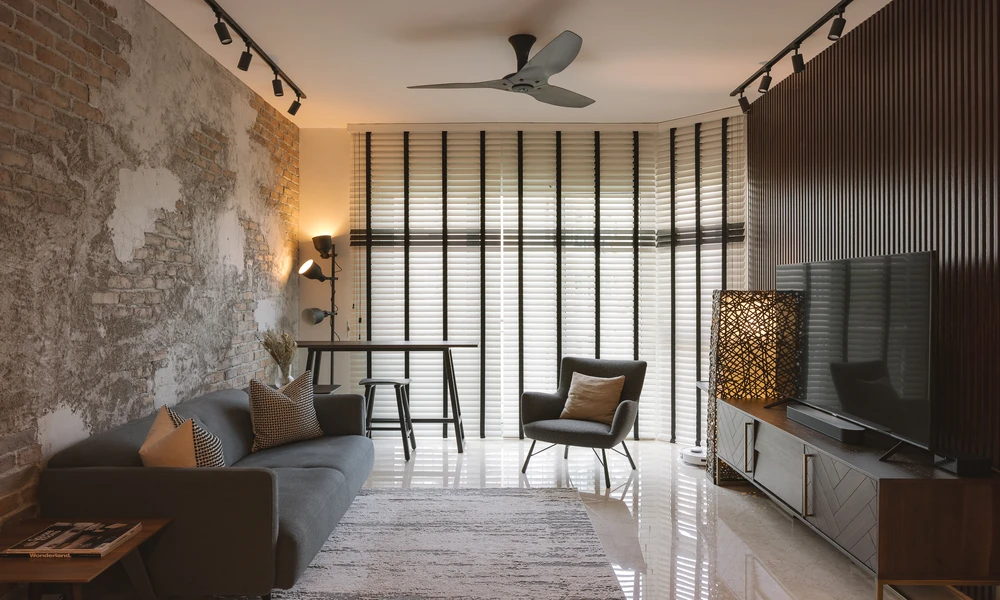
Lighting has a significant influence on how a home looks and functions. A room can feel welcoming during the day yet become uncomfortable at night if its lighting is poorly positioned or too harsh. Thoughtful lighting choices can improve visibility, support everyday activities and help different areas of a home serve their intended purposes.
For Singapore homeowners, planning lighting involves more than selecting attractive fixtures. Room dimensions, natural daylight, ceiling height, electrical provisions and household routines all affect the result. By understanding these factors before buying fittings or starting renovation work, homeowners can create a comfortable environment without unnecessary expense.
Plan Lighting Around How Each Room Is Used
Different rooms require different lighting arrangements. A kitchen benefits from clear illumination over preparation surfaces, while a bedroom generally needs a combination of comfortable ambient lighting and more focused light for reading or other activities.
Living rooms often serve several purposes, including relaxation, entertaining and occasional work. Instead of relying on one bright ceiling fixture, homeowners can consider layered lighting that combines general illumination with floor lamps, table lamps or targeted fittings.
Bathrooms require sufficient light for grooming, while suitable fittings and installation methods are essential in areas exposed to moisture. Electrical work should comply with applicable safety requirements and be undertaken by appropriately qualified professionals where required.
Before choosing fixtures, identify the activities performed in each area. This simple exercise helps determine where stronger illumination is necessary and where softer lighting may be more comfortable.
Make Better Use of Natural Daylight
Natural daylight can reduce the need for artificial lighting during the day, although the amount entering a home depends on its orientation, surrounding buildings, window design and shading.
Avoid placing large pieces of furniture where they unnecessarily block available daylight. Lighter window treatments may allow more natural light into a room, while mirrors can help distribute existing light visually when positioned thoughtfully.
However, brighter is not always better. Direct sunlight can introduce glare and heat, particularly in areas where occupants spend long periods working or relaxing. Window coverings and suitable furniture placement can help balance daylight with visual comfort.
Homeowners researching Solano Grand in Bukit Panjang should assess the actual unit’s window positions, orientation and surrounding conditions where this information is available. These details are more useful than assuming every unit receives the same amount of daylight.
Understand Colour Temperature and Brightness
Light bulbs differ in brightness and colour appearance. Colour temperature, commonly measured in kelvins, describes whether light appears warmer or cooler.
Warmer light often creates a relaxed atmosphere in living and sleeping areas, while neutral or cooler light may be preferred for tasks that require clear visual attention. These are general preferences rather than strict rules, and individual comfort varies.
Brightness is another consideration. Lumens indicate the amount of light produced, whereas watts measure electrical power consumption. Choosing bulbs based only on wattage can therefore be misleading, especially when comparing different lighting technologies.
Consider the size of the room, the colour of its surfaces and the intended activity before deciding how much light is appropriate. Where possible, test sample bulbs before purchasing multiple fixtures.
Compare Energy Efficiency and Long-Term Costs
Lighting can contribute to household electricity use, particularly when many fixtures operate for several hours each day. LED bulbs are generally an energy-efficient option and are available in a wide range of brightness levels, colour temperatures and designs.
When comparing products, check their energy information, expected lifespan, compatibility with dimmers and replacement requirements. A bulb with a lower purchase price may not provide the best long-term value if it consumes more electricity or needs frequent replacement.
It is also worth considering how lighting controls affect consumption. Switching off lights in unoccupied rooms is a simple habit, while timers, occupancy sensors or dimmers may be useful in suitable locations.
Buyers considering Wynwood Grand in Woodlands can incorporate lighting choices into their initial household budget, particularly if they intend to change existing fixtures or install additional task lighting. Confirm the property’s electrical provisions before committing to a design.
Avoid Common Lighting Design Mistakes
Several problems can make an otherwise attractive lighting plan less practical. A single central light may leave corners poorly illuminated, while excessive brightness can cause glare or make a room feel uncomfortable.
Decorative fixtures also need to suit the physical space. A large pendant may dominate a compact dining area, while a low-hanging fitting can obstruct movement if its placement is poorly planned.
Another common mistake is overlooking maintenance access. Fixtures installed at difficult heights or in awkward positions may make cleaning and bulb replacement unnecessarily complicated.
Before installation, check fixture dimensions, ceiling clearances and the location of existing electrical points. For more extensive changes, consult a qualified electrician or suitable lighting professional.
Build a Lighting Plan Before Renovation
Lighting decisions are easier to coordinate before cabinetry, ceilings and furniture arrangements are finalised. Mark the intended locations of task lights, switches and decorative fittings on the proposed layout, then check that they align with actual household activities.
If the home will be renovated, coordinate lighting with the interior designer and relevant contractors. Changes made late in the project may require additional electrical work or alterations to completed finishes.
Keep product specifications and warranty documents after installation so that replacements can be selected more easily.
Create a Home That Feels Comfortable After Dark
Good lighting supports the practical and emotional qualities of a home. It improves visibility, helps define different areas and allows residents to adjust the atmosphere to suit their activities.
By considering daylight, colour temperature, energy use and installation requirements, Singapore homeowners can make informed choices that remain useful over time. A carefully planned lighting arrangement does not need to be complicated; it simply needs to work well for the people who live there.