
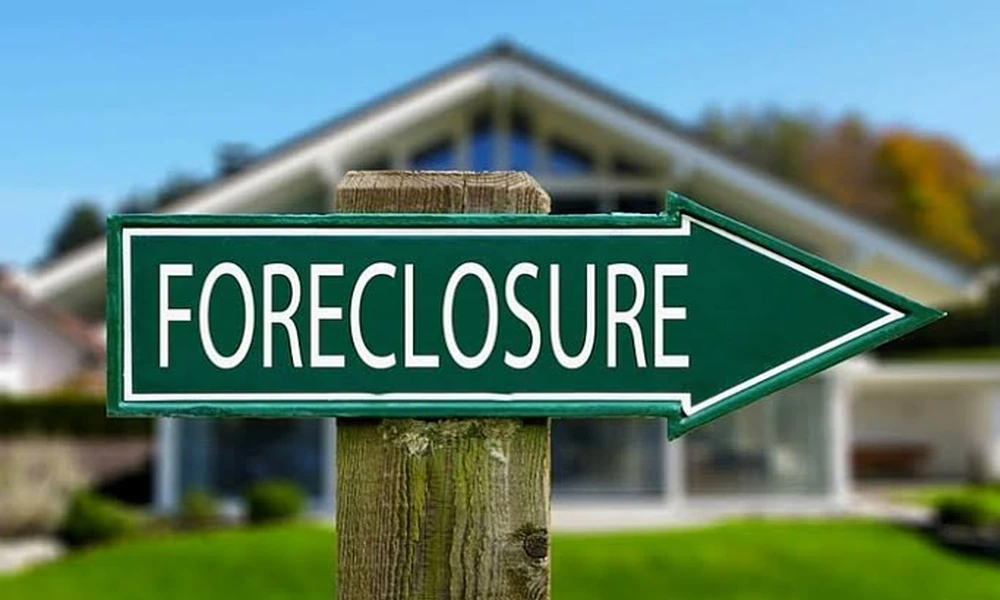
Investing in real estate is frequently hailed as one of the most reliable pathways to building long-term generational wealth.
For many aggressive investors and aspiring homeowners, purchasing bank-acquired assets seems like the ultimate golden ticket due to their highly attractive, below-market prices. It is incredibly tempting to see a massive house or a prime commercial space being auctioned off for a fraction of its true market value. However, diving into this specific sector of the real estate market is far from a simple walk in the park.
Behind the flashy discount tags and the thrill of the auction lies a complex web of legal, financial, and structural challenges that can quickly turn a dream investment into a massive financial nightmare. Before you even consider raising your paddle or signing a binding contract, you must be fully aware of the hidden dangers. To help you navigate this high-stakes environment, we will explore seven critical risks you must evaluate before bidding on foreclosed properties philippines.
1. The Danger of Severe Structural Damage
One of the biggest threats you face is the physical condition of the house. Previous owners facing severe financial distress rarely prioritize routine maintenance or essential repairs. By the time the bank seizes the asset, it might be plagued with destroyed plumbing, shattered windows, or massive roof leaks. Because these foreclosed properties are typically sold entirely on an “as-is, where-is” basis, the lending institution will not spend a single dime fixing these major defects. You will be completely responsible for all rehabilitation costs, which can easily obliterate your expected profit margin if not carefully calculated beforehand.
2. Unpaid Taxes and Hidden Financial Liens
Beyond physical deterioration, you must aggressively investigate the legal and financial baggage attached to the title. Many distressed assets come burdened with years of accumulated unpaid real estate taxes, association dues, and utility bills. If you blindly win the auction without conducting a thorough title search, you automatically inherit all these crippling financial liabilities. It is absolutely crucial to verify that the foreclosed properties you are targeting have a clean title or at least a manageable amount of debt. Failing to check for these hidden liens can force you to pay thousands out of pocket just to secure legal ownership.
3. The Nightmare of Illegal Occupants and Squatters
A uniquely frustrating risk in this market involves dealing with people who refuse to leave the premises. You might successfully purchase the asset only to discover that the former owners, or illegal squatters, are still aggressively residing inside. The bank does not guarantee physical possession, meaning you must navigate the tedious and highly expensive legal eviction process yourself. Dealing with unauthorized occupants in foreclosed properties requires hiring specialized lawyers, filing court orders, and sometimes waiting months or even years before you can actually step foot inside your newly purchased investment.
4. Highly Competitive and Emotionally Charged Auctions
The bidding environment itself presents a massive psychological and financial risk to inexperienced buyers. Auctions are deliberately designed to create intense bidding wars, pushing prices artificially high due to adrenaline and sheer competitiveness. It is incredibly easy to lose your discipline and overpay in the heat of the moment, completely destroying your calculated investment strategy. When participating in public biddings for foreclosed properties, you must establish a strict maximum price ceiling before entering the room. Allowing your emotions to dictate your bids will inevitably lead to a disastrous financial commitment that you will deeply regret.
5. Extreme Difficulty in Securing Immediate Financing
Acquiring traditional bank loans for these specific types of assets can be surprisingly difficult and painfully slow. Because the physical condition is often compromised, many conservative lenders will outright refuse to approve a standard mortgage. You are usually required to pay a massive cash down payment upfront, sometimes reaching up to thirty percent of the total bid price within a few days. If you plan to heavily invest in foreclosed properties, you must have substantial liquid cash readily available. Relying solely on conventional financing can cause you to default on your winning bid and lose your entire earnest money deposit.
6. Unpredictable and Fluctuating Market Valuations
Assuming that every discounted asset is a guaranteed profitable flip is a highly dangerous misconception. The real estate market is deeply volatile, and the neighborhood’s overall value might be rapidly declining due to external economic factors. Just because you bought it below the bank’s appraised value does not mean you will quickly find a willing buyer at a premium price. You must conduct an independent comparative market analysis on all foreclosed properties you evaluate. Misjudging the true resale demand can leave you stuck with an illiquid asset that drains your finances through ongoing holding costs and monthly maintenance fees.
7. Complicated and Delayed Title Transfer Processes
The bureaucratic nightmare of legally transferring ownership is a massive risk that tests your patience and capital. Even after you pay the full amount, consolidating the legal paperwork and officially transferring the title to your name can take several exhausting months. During this agonizing waiting period, you cannot legally sell, renovate, or fully utilize the asset. This extended timeline is a notorious characteristic of buying foreclosed properties from large, slow-moving financial institutions. You must strategically account for this long holding period, ensuring you have enough capital to survive while your investment remains completely paralyzed in administrative red tape.
Navigating the highly lucrative yet deeply perilous landscape of bank-acquired real estate demands immense caution, thorough due diligence, and unwavering financial discipline. By proactively identifying severe structural damages, uncovering hidden tax liens, and preparing for the gruelling realities of legal evictions, you can effectively protect your hard-earned capital from catastrophic losses. Always remember that a heavily discounted price tag frequently conceals massive underlying problems that require significant time and money to resolve. To truly succeed in this competitive arena, you need reliable financial backing and strategic guidance from institutions that understand the complexities of the real estate market.
This is where partnering with a highly reputable organization like Asialink Finance Corporation becomes an invaluable asset to your investment journey. They provide robust, flexible, and efficient financing solutions designed to help smart investors confidently seize market opportunities while expertly mitigating long-term financial risks. With the right preparation and the right financial partner, you can turn these high-risk assets into highly rewarding financial victories.