
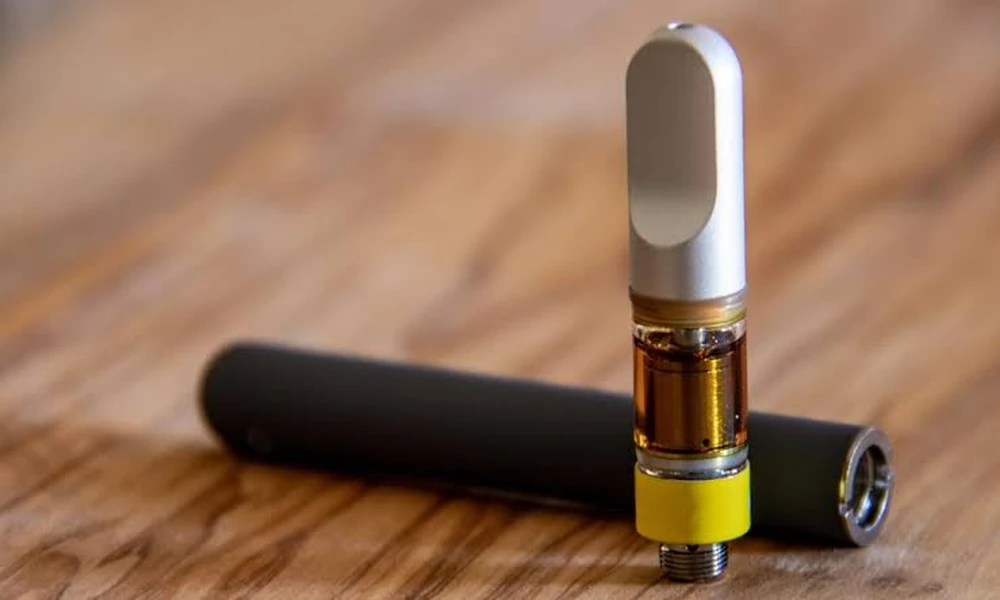
Oil colour, draw resistance, and viscosity tell more about a cartridge than most product listings ever will. thca vape carts that hold up across sessions are the ones where all three sit within ranges that were deliberately calibrated during production, not left to chance after the potency figure was confirmed. In addition to passing third-party testing, if the coil is overdesigned, the oil viscosity blows outside what it was designed for, or the draw resistance is high, it can still disappoint. Between what documentation confirms and what actually happens during a session, these variables live. Getting familiar with what each one indicates makes it far easier to evaluate a cartridge before committing to it.
Oil colour signals refinement
Oil colour is a direct visual indicator of how thoroughly a distillate was refined and how it was handled between extraction and filling. Clear to light amber sits at the cleaner end of the range, where residual plant compounds have been removed through multiple refinement passes. Darker amber or brown shading points to incomplete refinement or exposure to heat and oxidation after extraction that pushed colour further than it should have gone. Cleaner oil tends to produce vapour that stays consistent draw to draw without the flat or harsh qualities that follow residual compounds through into the chamber. Colour read alongside a current Certificate of Analysis gives a fuller picture than either piece of information does on its own.
Viscosity controls coil performance
Viscosity is how freely the oil moves toward the coil at operating temperature, and it sits at the centre of whether a cartridge feeds consistently or starts causing problems partway through the fill. Oil running too thin reaches the coil faster than it can be converted, which floods the chamber and produces output that varies unpredictably between draws. Oil sitting too thick moves slowly enough that the wick runs dry between pulls, and the dry hits that follow wear the coil down faster than normal use would. Terpene reintroduction after extraction is how manufacturers bring viscosity into the range that a specific coil gauge was designed to handle. When that calibration is done well, the oil feeds at a rate that matches how the coil consumes it, and session quality stays level from start to finish.
Draw resistance reflects system balance
Draw resistance is the effort each pull requires, and it reflects whether oil viscosity, coil feed rate, and mouthpiece bore width were matched to each other or assembled without that consideration.
- Low draw resistance paired with thin oil usually points to over-dilution or terpene calibration that did not reach the right viscosity range during production.
- High draw resistance with thick oil means the coil feed rate cannot keep up, which produces pulls that feel laboured and wear the wick down ahead of schedule.
- Balanced draw resistance sits where vapour moves with moderate effort, and oil arrives at the coil steadily without flooding or starvation interrupting the session.
- Mouthpiece bore width shapes the final feel of each draw, with wider openings easing vapour movement and narrower ones making any existing viscosity imbalance more noticeable.
Oil colour, viscosity, and draw resistance converge at the point where distillate refinement, terpene calibration, and hardware specification either line up or expose where shortcuts were taken. Clear oil in the correct viscosity range, feeding a coil at a rate that produces balanced draw resistance, is what session consistency actually looks like in practice.
Lab reports confirm contents. These three physical variables confirm whether the decisions made during production were aimed at consistent performance or just a number on a label.