
Key Highlights
- Traditional metal tracks are a time-tested, reliable solution capable of handling complex orthodontic adjustments with consistent precision.
- Invisible dental braces offer a discreet, aesthetic alternative that allows for easy removal, supporting better oral hygiene throughout your treatment.
- Your overall treatment timeline is unique, as it depends entirely on your specific oral health needs and the complexity of the desired tooth movement.
- Successful financial planning for your orthodontic journey requires accounting for initial consultation fees, follow-up adjustments, and potential maintenance costs.
Introduction
Selecting an orthodontic treatment plan involves weighing several factors, including the mechanical approach, duration, and financial investment. In recent years, the options available to patients in Singapore have evolved, offering alternatives to traditional methods. Whether one is considering options for themselves or seeking a consultation with a paediatric dentist in Singapore for a child, understanding the practical differences between conventional metal tracks and modern invisible dental braces is essential for informed decision-making.
Understanding Metal Tracks
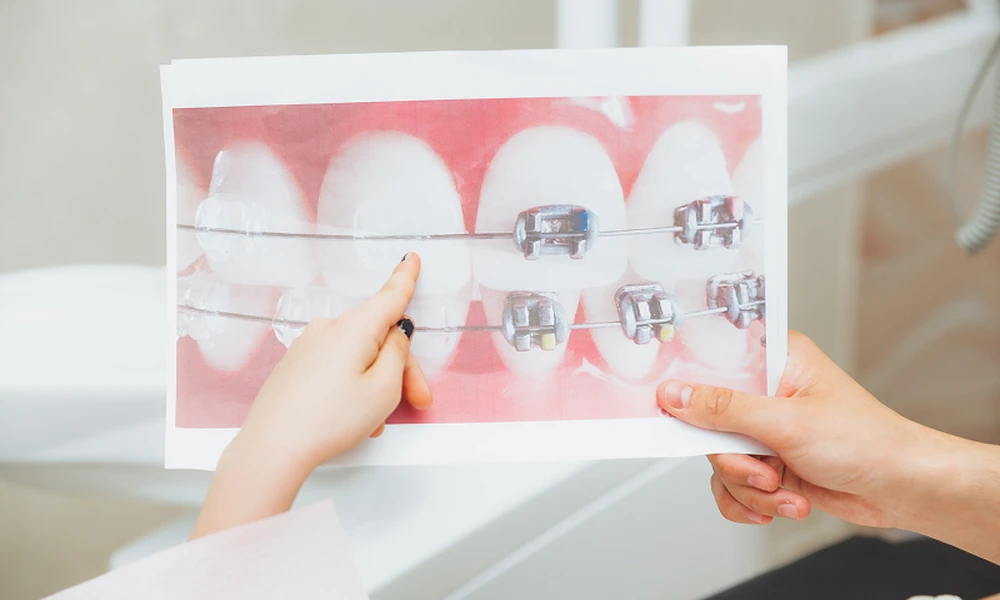
Traditional metal tracks, or fixed appliances, consist of brackets bonded to the teeth and connected by archwires. This system provides a high degree of control for the orthodontist, allowing for precise movement of teeth. The fixed nature of the appliance ensures that treatment progresses according to the plan, as patient compliance regarding wear time is not a variable. This method remains a standard for addressing complex malocclusions.
The Rise of Invisible Dental Braces
Invisible dental braces consist of a series of clear, removable aligners. These appliances are custom-fabricated to shift teeth incrementally over time. The primary advantage of this system is the aesthetic outcome, as the aligners are less noticeable than metal components. Furthermore, the removable nature of these invisible dental braces facilitates oral hygiene, as patients can brush and floss more effectively compared to those using fixed appliances.
Comparing Treatment Timelines
The duration of orthodontic treatment is dependent on the complexity of the case. While some marketing materials may suggest shorter timelines for one method over another, the biological limit of tooth movement remains consistent. Metal tracks are often highly efficient for complex rotation or vertical movement. Conversely, invisible dental braces rely heavily on patient compliance. If the aligners are not worn for the recommended daily duration, the treatment timeline can extend beyond the initial estimate.
Analysing True Costs
The financial commitment for orthodontic care in Singapore varies. Metal tracks are often viewed as a cost-effective solution due to the maturity of the technology and the established nature of the treatment protocols. Invisible dental braces typically involve higher laboratory fees for the fabrication of the custom aligner series. It is also important to account for potential additional costs, such as the replacement of lost aligners, retainer fees, and the frequency of necessary clinical visits for progress checks.
Lifestyle Considerations
Orthodontic treatment is not merely a clinical decision; it is a lifestyle integration. Individuals with active social lives or frequent public-speaking engagements often find the aesthetic subtlety of invisible dental braces advantageous. Conversely, those who prefer a set-and-forget approach without the necessity of daily removal for meals might find the consistent, fixed nature of metal tracks more suitable for their daily routine. Understanding how these appliances interact with your day-to-day habits is vital for ensuring long-term adherence to your treatment plan.
Professional Consultation
Determining the appropriate treatment path requires a thorough clinical assessment. A practitioner evaluates the bite alignment, jaw structure, and overall oral health before recommending a plan. Whether seeking care for a teen or an adult, an initial consultation provides clarity on the expected duration and financial outlay. For families, finding a qualified paediatric dentist in Singapore who can assess development early can prevent more complex issues later in life.
Conclusion
Both metal tracks and invisible dental braces offer viable pathways to achieving orthodontic health. The decision often hinges on individual lifestyle requirements, the complexity of the dental alignment needed, and the willingness to adhere to specific treatment protocols. A comprehensive discussion with an orthodontic professional will help align expectations with clinical reality.
For professional advice on your orthodontic journey, contact Happy Teeth Family Dental today.