
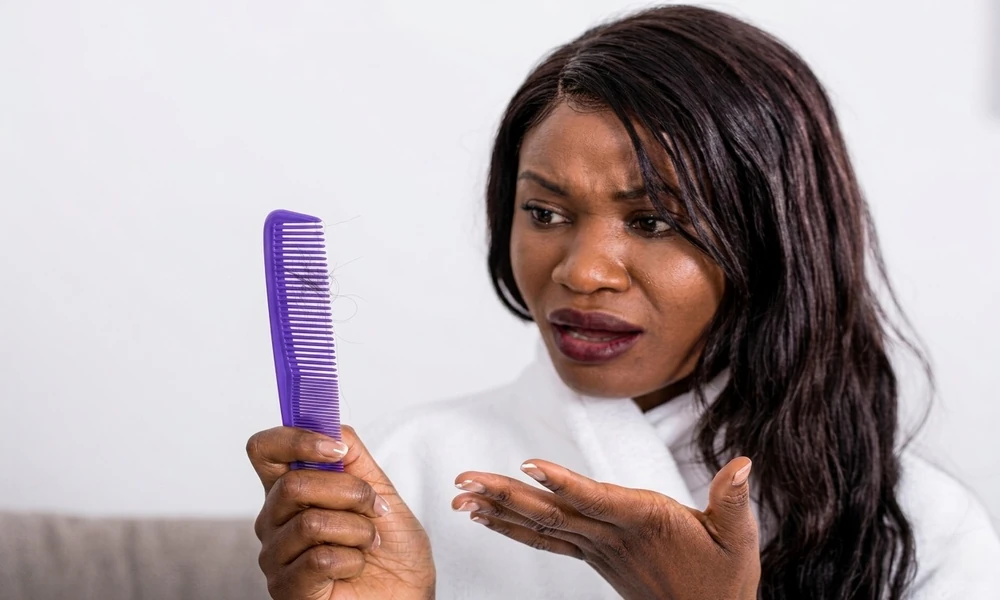
Hair extensions can be a beautiful way to enjoy a smoother, fuller, and more polished hairstyle without styling your own hair every single day. For many women with relaxed, straightened, or textured natural hair, extensions offer convenience, confidence, and a break from daily heat tools. Still, it is important to understand how your hair and scalp may respond before booking an install. Hair loss is a sensitive topic, and while extensions can be worn safely, the wrong method, too much tension, heavy bundles, weak edges, or poor maintenance can lead to breakage and thinning over time. The goal is not to scare you away from wearing the look you love, but to help you make smarter choices that protect your natural hair underneath.
How Straight Extensions Can Work for Textured Hair
Textured and natural hair comes in many forms, from tightly coiled strands to relaxed, silk-pressed, or straightened hair. When chosen carefully,Relaxed Straight Hair Extensions can blend beautifully with hair that has a smooth, lightly textured finish. They can give a natural-looking straight style without forcing your real hair to go through constant flat ironing or daily manipulation.
This type of hair can be helpful for women who want a polished everyday style for work, events, travel, or busy routines. The key is to remember that extensions should support your hair goals, not place extra stress on your scalp. A good install should feel secure but not painful, smooth but not overly tight, and full without being too heavy for your natural hair to carry.
What Can Cause Hair Loss During an Install?
Extensions themselves are not always the main problem. In many cases, hair loss happens because of the way the style is installed, worn, maintained, or removed. Tight braids, heavy wefts, glue placed too close to the scalp, and clips or tracks pulling on fragile areas can all create tension. Over time, this may lead to breakage, thinning edges, soreness, or traction-related shedding.
Women with relaxed hair should be especially careful because chemically treated strands can already be more delicate. If the hair has been recently relaxed, over-processed, colored, or heat-damaged, it may not be strong enough for a tight or long-term install. The scalp also matters. If you are dealing with itching, tenderness, flakes, inflammation, bald patches, or unusual shedding, it is better to address those concerns before adding extra hair.
For women with textured or natural hair who want temporary fullness without a long sew-in,Relaxed Straight Hair Clip Ins may be a gentler option when applied carefully and removed at night. However, even clip-ins should not be placed repeatedly on weak edges or thinning sections.
What to Check Before You Install
Before choosing any straight extension style, take a honest look at your hair’s current condition. Extensions look best when the foundation is healthy. If your hair is breaking badly, shedding in clumps, or your edges feel weak, it may be better to pause and focus on strengthening your real hair first.
A professional stylist should also check your scalp and strands before installing. This helps determine whether your hair can handle a sew-in, clip-in set, tape-in style, or another method. The safest choice is usually the one that gives you the look you want with the least tension.
- Check if your edges are full enough to support styling.
- Make sure your scalp is not sore, inflamed, or irritated.
- Avoid installing extensions immediately after a harsh chemical service.
- Choose lightweight hair that does not pull on your roots.
- Ask your stylist for a low-tension install, especially around the hairline.
- Do not ignore pain, tightness, bumps, or headaches after installation.
How to Maintain the Style Without Stressing Your Hair
Once your extensions are installed, maintenance becomes just as important as the install itself. Keep your scalp clean, moisturized, and comfortable. A dry, itchy, or neglected scalp can lead to scratching, irritation, and unnecessary shedding. Use lightweight products that do not cause heavy buildup, and avoid applying too much oil directly to the roots if it makes the style slippery or attracts dirt.
You should also limit heat on your leave-out if you have any natural hair exposed. A straight extension style can help reduce daily flat ironing, but only if you avoid constantly touching up your real hair. Use a heat protectant when needed, wrap your hair at night, and protect the style with a silk or satin scarf to reduce friction.
- Wrap the hair at night to keep it smooth.
- Use a wide-tooth comb or gentle brush when detangling.
- Avoid pulling the hair into tight ponytails every day.
- Clean your scalp gently when wearing longer-term styles.
- Remove the install on time instead of stretching it for too long.
If your scalp starts to hurt or your edges feel strained, do not wait until the damage becomes obvious. A beautiful style should not feel painful. Comfort is one of the biggest signs that your install is being worn safely.
The Bottom Line
Straight textured extensions can be a stylish and practical choice for women who want a smooth, natural-looking finish while giving their own hair a break from daily styling. The most important thing is to choose quality hair, a gentle method, and a stylist who understands tension, scalp health, and the needs of relaxed or textured hair.
Hair loss should never be ignored. If you are already seeing bald spots, serious shedding, scalp pain, or ongoing thinning, speak with a dermatologist, trichologist, or hair-loss professional before installing any extensions. With the right care, lightweight hair, proper placement, and healthy styling habits, you can enjoy a polished extension look while still protecting the hair that grows from your scalp.