
Key Takeaways
- Indiba treatment is not a primary fat-removal method, but it can support body sculpting by improving tissue quality and circulation.
- Loose skin responds more consistently to Indiba treatment due to collagen stimulation and improved cellular activity.
- Best results occur when treating both concerns together, especially after weight loss or pregnancy.
- Expectation management is critical-results are gradual and depend on treatment frequency and baseline condition.
Body sculpting technologies are often marketed as solutions for fat reduction, skin tightening, or both, yet their actual strengths vary significantly. Indiba treatment, based on radiofrequency energy, is commonly positioned as a non-invasive option for body contouring. The key question is whether it is effective for stubborn fat, loose skin, or a combination of the two.
Explore Indiba treatment by concern type, focusing on how it performs in each category without exaggerating outcomes.
Indiba Treatment for Stubborn Fat
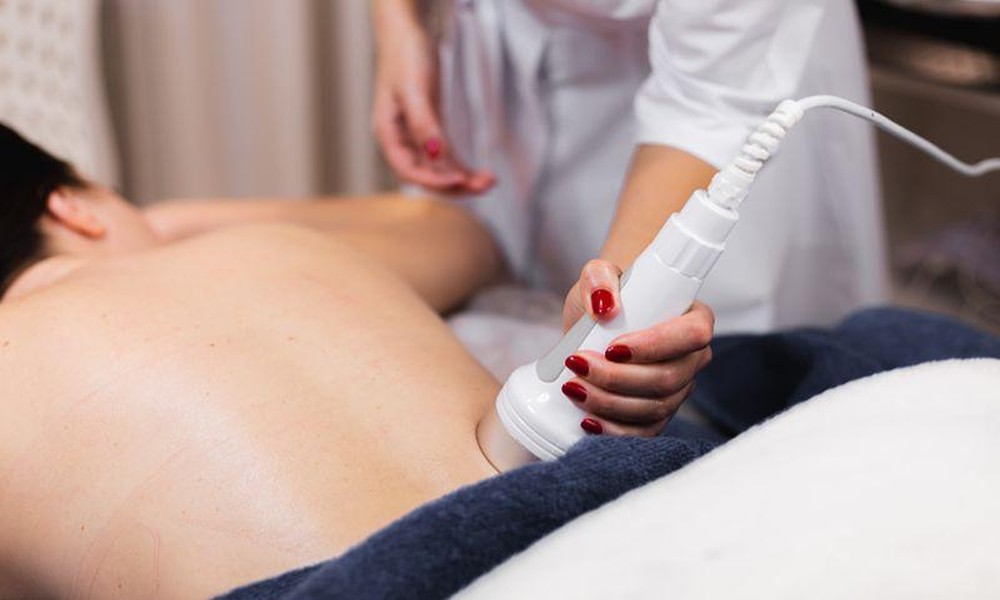
Stubborn fat refers to localised fat deposits that do not respond easily to diet or exercise, commonly found in areas such as the abdomen, flanks, thighs, and upper arms. Indiba treatment does not destroy fat cells in the way cryolipolysis or lipolytic injections do. Instead, it uses radiofrequency energy to increase tissue temperature, improve blood flow, and support metabolic activity in the treated area.
From a body sculpting perspective, this means Indiba treatment may contribute to fat volume reduction indirectly, rather than through direct fat cell elimination. Improved circulation and lymphatic drainage can help reduce fluid retention and mild fat congestion, which may lead to a smoother contour. However, for patients expecting visible fat loss from a single treatment cycle, Indiba treatment alone is unlikely to meet that expectation.
Clinics typically position Indiba treatment for stubborn fat as a supportive or maintenance modality, often used alongside lifestyle changes or after other fat-reduction procedures. Its effectiveness increases when the fat layer is moderate rather than thick, and when treatment is performed consistently over multiple sessions.
Indiba Treatment for Loose Skin
Loose skin is where Indiba treatment shows more predictable outcomes. Skin laxity is commonly caused by collagen degradation, reduced elastin, and weakened connective tissue, particularly after weight loss, ageing, or pregnancy. Indiba treatment delivers radiofrequency energy that stimulates cellular activity and collagen remodelling within the deeper layers of the skin.
Indiba treatment, for body sculpting goals related to skin firmness, can improve skin texture, elasticity, and overall tone over time. The heating effect encourages fibroblast activity, which supports gradual tightening rather than immediate lifting. This instance makes it suitable for areas such as the abdomen, inner thighs, arms, and postnatal body zones where laxity is present but not severe.
Results are cumulative and depend on session frequency and skin condition at baseline. While it does not replace surgical skin tightening, Indiba treatment is often selected when downtime is not acceptable and when structural skin improvement is the priority.
Indiba Treatment for Both Stubborn Fat and Loose Skin
Once stubborn fat and loose skin coexist, Indiba treatment is typically more effective as part of a combined body sculpting strategy. The treatment, in these cases, works to optimise tissue quality, improving firmness while supporting mild contour refinement. This dual effect is particularly relevant after fat reduction treatments, where skin tightening becomes necessary to improve overall appearance.
Indiba treatment, particularly for patients with moderate fat and visible laxity, can help the treated area appear more compact and even. However, it should not be positioned as a single-solution approach. Clinics often integrate it with manual therapies, fat-reduction technologies, or structured treatment plans to address both concerns realistically.
Conclusion
Indiba treatment is more reliable for loose skin than for stubborn fat, with its strongest role in improving tissue condition rather than removing fat cells. It functions best as a skin-focused or complementary treatment rather than a standalone fat-loss solution. Patients seeking improvement in both fat distribution and skin firmness may benefit most when Indiba treatment is used as part of a broader, professionally guided treatment plan.
Contact Carragheen and learn whether Indiba treatment fits your treatment goals and body profile.