
Introduction
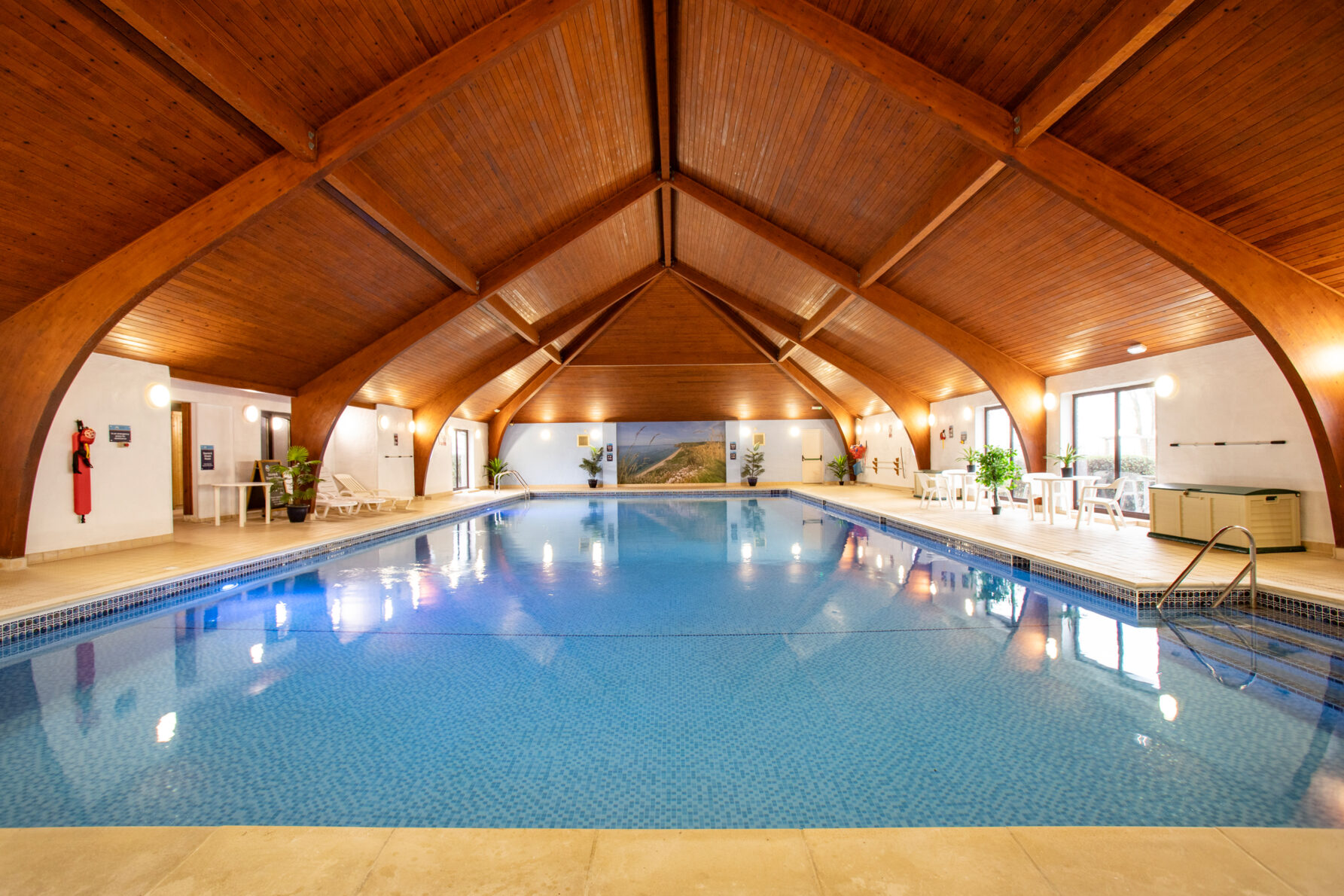
Swimming is one of the most effective forms of exercise, offering a low-impact workout that engages nearly every muscle group. Unlike outdoor pools, an indoor pool provides year-round accessibility, making it easier to maintain a consistent fitness routine regardless of the weather. For those considering a West-End indoor swimming pool, the health benefits extend beyond physical fitness to mental well-being and lifestyle improvements.
Full-Body Workout with Low Impact
Swimming activates the arms, legs, core, and back simultaneously, making it one of the most complete workouts available. Unlike running or high-impact sports, swimming places minimal stress on joints. This makes indoor swimming pools particularly beneficial for:
- Older adults managing arthritis or joint stiffness.
- Rehabilitation patients recovering from injuries.
- Athletes seeking cross-training with reduced risk of strain.
The buoyancy of water supports the body while resistance strengthens muscles without excessive wear.
Cardiovascular and Respiratory Health
Regular swimming sessions improve heart and lung function by increasing endurance and oxygen efficiency. Studies show that swimming can help:
- Lower blood pressure.
- Improve circulation.
- Enhance lung capacity and breathing control.
- Reduce the risk of cardiovascular disease.
Training in a controlled indoor environment ensures consistent conditions, allowing swimmers to focus on technique and endurance.
Weight Management and Metabolism
Swimming is a calorie-burning powerhouse. Depending on intensity and stroke type, a 30-minute swim can burn between 200–400 calories. Indoor pools make it possible to maintain a regular exercise schedule, which is key to:
- Managing body weight effectively.
- Boosting metabolism.
- Supporting long-term fitness goals.
The comfort of indoor facilities eliminates excuses tied to seasonal weather changes.
Mental Health and Stress Relief
Beyond physical fitness, swimming has proven mental health benefits. The rhythmic nature of swimming combined with the soothing qualities of water can:
- Reduce stress and anxiety.
- Improve sleep quality.
- Enhance mood by triggering endorphin release.
- Provide a meditative experience similar to yoga or mindfulness practices.
Indoor pools create a calm, temperature-controlled space that supports relaxation alongside exercise.
Accessibility and Consistency
A major advantage of an indoor swimming pool is its year-round availability. Unlike outdoor pools, which are limited by seasonal closures or weather conditions, indoor pools allow:
- Consistent training schedules for athletes.
- Family-friendly exercise opportunities.
- Safer environments for swimming lessons.
- Flexibility for early morning or evening workouts.
Suitable for All Ages and Fitness Levels
Swimming is inclusive and adaptable. Children benefit from water safety and motor skill development, adults enjoy fitness and stress relief, and seniors gain mobility support and gentle conditioning. Indoor facilities often offer specialized classes such as aqua aerobics, lap swimming, and therapeutic sessions, making them versatile for every fitness level.
Final Thoughts
Using an indoor swimming pool offers a wide range of health benefits, from improved cardiovascular health and muscle strength to mental relaxation and stress relief. Its accessibility throughout the year ensures consistency, while the low-impact nature of swimming makes it suitable for all ages and fitness levels. For individuals and families, a indoor swimming pool provides not just exercise, but a lifestyle choice that supports long-term health and well-being.