
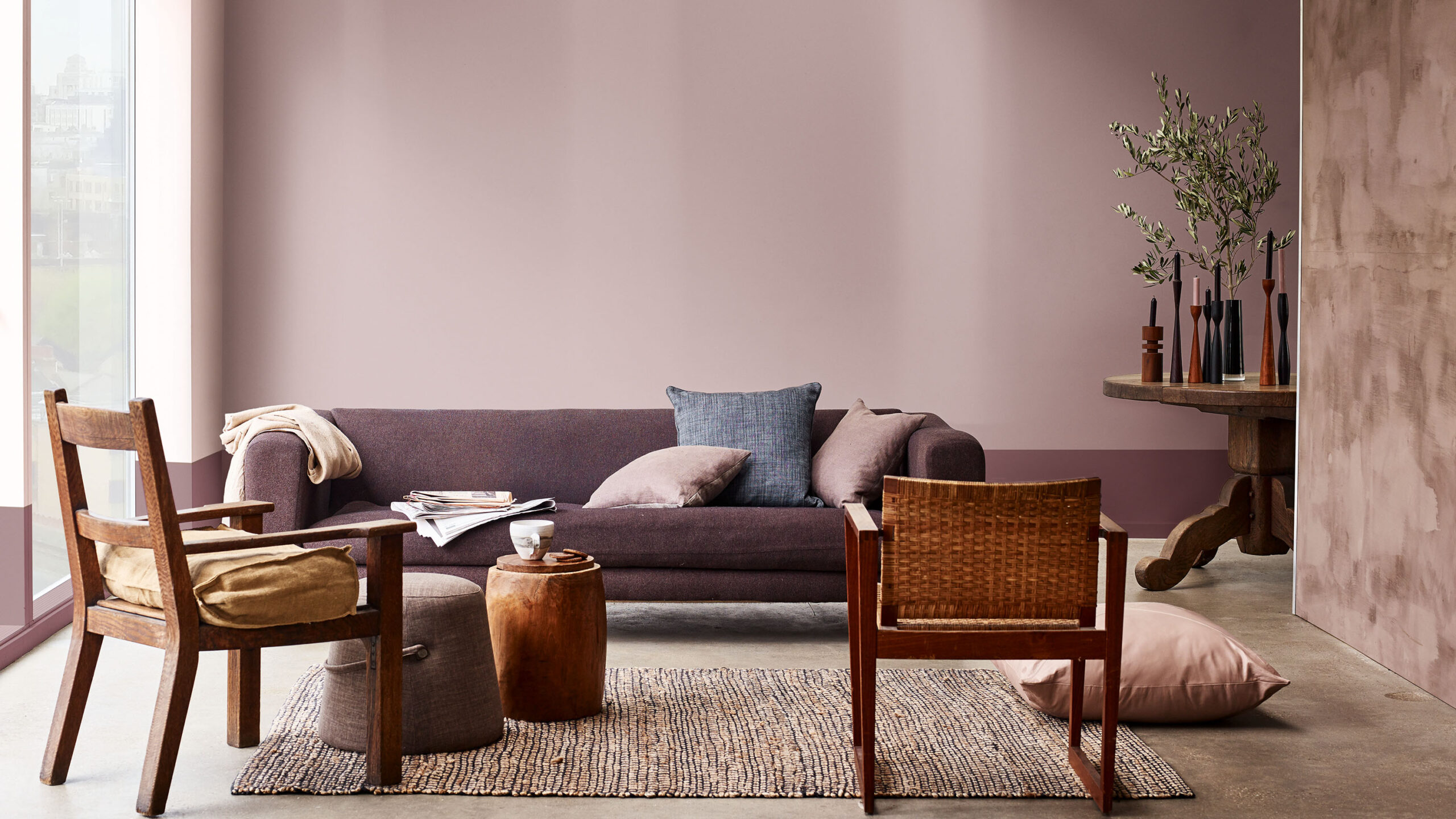
Choosing the perfect paint for your home is more than just picking a colour off a chart—it’s a decision that can influence the mood, aesthetics, and functionality of your living space. Paint can transform a dull room into a lively hub or turn a bright area into a calm retreat.
The process can feel overwhelming with so many colours, finishes, and types available. However, with some planning and insight, selecting the right paint can become an enjoyable and creative part of your home improvement journey.
Here’s a comprehensive guide to help you choose the best walls.
Choosing the Right Paint Colour
Picking the right paint colour is the first and most exciting step. Colours deeply impact emotions, and when used wisely, they can enhance the experience of each room in your home.
Pick the Colours as Per the Room’s Purpose
Each room in your home serves a different purpose, and your colour choices should reflect that. For instance, bedrooms often benefit from soft, soothing shades that promote relaxation.
On the other hand, living rooms and kitchens can support bolder, more energetic colours to stimulate conversation and creativity.
Children’s rooms may call for fun and vibrant shades, while studies or home offices might be better suited to colours that promote focus and calmness, such as muted blues or earthy tones.
Pick the Colours as Per the Lighting
Lighting—both natural and artificial—dramatically affects how paint appears on your interior walls . A colour that looks perfect under store lighting may appear too dark or dull in your home. North-facing rooms, which receive cooler light, may benefit from warm-toned paints to balance the coolness, while south-facing rooms with more sunlight can handle cooler or neutral tones. Always test a small swatch on your wall at different times of the day to see how the colour changes with lighting conditions.
Pick Colours Matching Your Furniture
When choosing paint, it’s essential to consider how the colour will interact with your existing furniture and décor. If you have wooden or leather furniture, neutral colours often work well to create a harmonious background. For homes with contemporary furniture in bold colours or metallic finishes, a more subdued paint can help balance the visual impact. The goal is to create a flow that brings all the room’s elements together.
Select Colours That Inspire You
Your home should reflect your personal taste and style. If a colour makes you feel happy, calm, or energised, consider incorporating it into your space. There are no strict rules when it comes to self-expression through paint. Some homeowners are drawn to earthy, nature-inspired tones, while others may love the drama of deep jewel shades or the softness of pastels. Let your preferences guide you, and don’t be afraid to try something unconventional in smaller spaces like powder rooms or accent walls.
Consider the Style of Your Home
The architectural style of your home also plays a role in paint selection. A coastal-style home may benefit from light blues, whites, and sandy neutrals, while a traditional or heritage-style house might look best with classic tones like cream, burgundy, or forest green. Meanwhile, modern and minimalist homes tend to lean toward clean whites, greys, and monochromatic palettes. Keep your home’s design in mind to maintain visual cohesion throughout all rooms.
Things to Consider Before Choosing the Paint
Beyond the colour, several technical factors influence how well the paint performs and how satisfied you’ll be with the result.
Surface Area
The size of the wall or room you’re painting will determine how much paint you need, but it can also influence the type and tone of the paint. Lighter colours can make small rooms feel more spacious, while darker shades can make large areas feel more intimate. Also, heavily textured surfaces may require more paint for adequate coverage than smooth walls.
Which Paint Suits the Wall
Different types of walls call for different shades of paint. For example, kitchens and bathrooms need paints with moisture resistance to prevent mildew growth, while high-traffic areas like hallways benefit from paints that are durable and easy to clean. Matte or flat finishes may look elegant but are harder to maintain, while eggshell, satin, or semi-gloss finishes offer a balance between aesthetics and practicality.
Deepness of Colour
The intensity or depth of a paint colour affects how a room feels. Deep colours can create a cosy, enveloping atmosphere, while lighter shades open up the space. However, dark colours may require more coats to achieve even coverage and may fade faster in sunlight.
Binding Abilities
Binding ability refers to how well the paint adheres to a surface. High-quality paints with strong binding agents provide better coverage and last longer. They are less prone to peeling, flaking, or chalking, even in areas with temperature and humidity changes
Response to Cleaning
Some rooms, such as kitchens, children’s rooms, or entryways, are more prone to smudges and stains. In such spaces, it’s important to use a paint that holds up well to cleaning without losing its colour or finish. Washable paints with good stain resistance are ideal for these areas.
Conclusion
Choosing the perfect paint for your home involves a blend of creativity and practicality. From selecting colours matching your mood and decor to understanding how a paint performs under specific conditions, every choice contributes to a truly your space.