
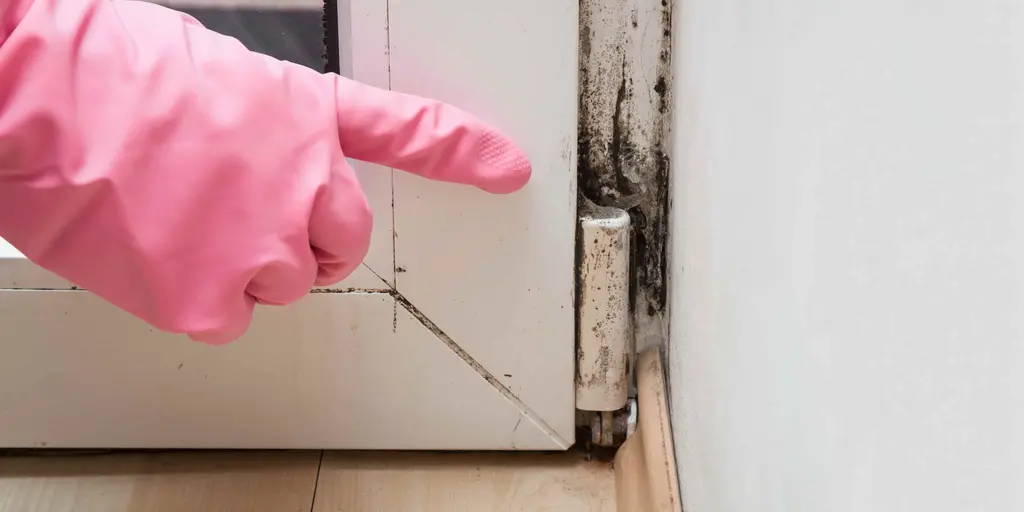
The mold remediation industry has seen significant growth in recent years, driven by increasing awareness of indoor air quality and health risks. As more people recognize the dangers associated with mold exposure, there’s a growing demand for certified professionals who can safely and effectively address mold contamination. For those looking to advance or break into this lucrative field, obtaining mold certification is not just a smart move—it’s essential.
With the proper certifications, mold remediation specialists can not only elevate their skills but also unlock numerous opportunities within the industry. Here’s why mold certification is crucial for success and how it can make a significant impact on your career.
The Increasing Demand for Mold Remediation Services
Mold contamination is a common issue in residential, commercial, and industrial properties. In severe cases, it can cause serious health issues such as allergies, respiratory problems, and even long-term diseases. As awareness grows around these risks, property owners are increasingly turning to professional services for mold inspection and remediation.
Property owners trust certified mold inspectors and remediation specialists to provide thorough assessments and expert solutions, which can prevent further property damage and health concerns. This demand makes certification not just a credential but a crucial component of a successful business in this industry.
Why Mold Certification Sets You Apart
In a competitive industry, certification gives professionals the edge they need. Mold certification acts as proof that the specialist has undergone rigorous training and understands the complexities involved in identifying, managing, and removing mold safely. Here are some reasons why certification is a must-have for anyone in the mold remediation business:
-
Credibility and Trustworthiness
Certification instantly builds trust with potential clients. A certified mold inspector is seen as more credible than someone without credentials. Homeowners and businesses prefer to work with professionals who are certified because they provide confidence that the job will be done correctly and safely. Certification serves as a reassurance that you’re not only capable but also qualified by industry standards.
-
Legal Compliance
Many states and municipalities have stringent regulations regarding mold removal. In some areas, certification is mandatory for anyone offering mold remediation services. By acquiring certifications like those provided by recognized industry organizations, professionals can ensure that they remain compliant with local laws. Non-compliance can result in hefty fines, lawsuits, or business closure.

-
Enhanced Skills and Expertise
Mold certification goes beyond just learning about mold growth. It provides comprehensive training on topics such as environmental health, air quality assessment, moisture control, and the correct usage of equipment and protective gear. This level of understanding allows certified professionals to offer services that non-certified individuals simply cannot match. It also enables them to handle more complex projects that demand an in-depth knowledge of building structures and environmental systems.
-
Higher Earning Potential
Certified mold professionals typically earn higher salaries than their non-certified counterparts. Certification opens doors to more advanced job opportunities and positions. For business owners, being certified allows you to charge more for services due to the advanced level of expertise and assurance you provide. Clients are willing to pay a premium for certified services because they understand the risks of hiring someone who lacks the necessary credentials.
Unlocking Career Opportunities with Mold Certification
Getting mold certification does more than just enhance your current skills; it opens up a wide range of opportunities. Whether you’re starting your own mold remediation business or looking to work for an established company, being certified provides you with a competitive edge that employers and clients recognize. Below are some of the key benefits:
-
Expanding Your Service Offering
Certification allows professionals to offer a broader range of services, from inspection to complete remediation. Some certifications also cover more advanced topics like mold assessment and air quality testing. As a result, certified individuals can take on a variety of projects, increasing their marketability and value.
-
Qualifying for Government Contracts
Many government entities, schools, and large organizations require mold remediation contractors to be certified before they can bid on projects. These large contracts can be incredibly lucrative, offering steady work and higher-than-average pay rates. With certification, these opportunities are within reach.
-
Industry Networking and Recognition
Becoming certified often comes with membership in professional organizations. These organizations offer valuable networking opportunities, continued education, and access to industry insights. Certification also ensures that you are staying current with the latest industry trends, innovations, and technologies, all of which can enhance your credibility and professional development.
-
Greater Job Security
Mold-related issues are ongoing, and as public awareness continue to rise, so too will the demand for certified professionals. With certification, you position yourself as an expert in a growing industry, ensuring long-term job security. In a market where new regulations are frequently introduced, being certified helps ensure your skills stay relevant and your services are always in demand.
The Importance of Continuing Education
While mold certification provides an initial boost to your career, continuing education is vital for staying competitive. Mold remediation techniques and regulations evolve, and professionals need to keep up with these changes to remain effective and compliant. Many certification programs offer refresher courses or advanced training modules to help professionals stay updated.
Advanced certifications such as Certified Mold Inspector and Mold Remediation further expand one’s capabilities. These programs dive into more specialized topics, such as post-remediation verification, dealing with water-damaged buildings, and handling hazardous materials. By constantly building on their education, mold professionals can offer top-tier services, ensuring client satisfaction and compliance with industry standards.
Investing in the Right Training
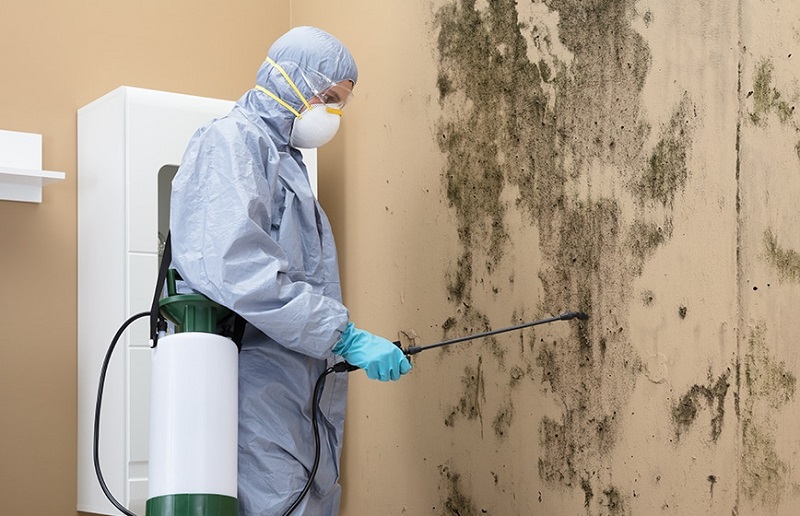
To fully unlock the benefits of certification, it’s essential to invest in high-quality Mold Certification Training programs. These programs provide hands-on experience, detailed knowledge, and the credentials needed to be recognized as a qualified mold remediation specialist. Whether you’re new to the field or looking to advance, choosing the right training course is a pivotal step in your professional journey.
Many recognized certification bodies, such as the National Organization of Remediators and Mold Inspectors (NORMI) and the Institute of Inspection Cleaning and Restoration Certification (IICRC), offer comprehensive courses designed to cover all aspects of mold inspection, assessment, and remediation.
The Future of the Mold Remediation Industry
As the mold remediation industry continues to grow, there’s a strong emphasis on health and safety standards. Certified professionals are expected to not only meet these standards but also exceed them. With environmental concerns and stricter regulations around indoor air quality, the future for certified mold professionals looks bright.
In addition, new technologies such as mold-detecting sensors and AI-based inspection tools are being introduced to the market. Certified professionals who stay on top of these advancements will be well-positioned to take advantage of the latest trends and maintain their edge over the competition.
Conclusion: Elevate Your Career with Mold Certification
Mold certification is more than just a credential; it’s a gateway to career advancement and professional success in the remediation industry. From building trust with clients to ensuring compliance with legal regulations, certified mold professionals enjoy a wide range of benefits. Moreover, certification opens doors to lucrative contracts, higher pay, and long-term job security.
For anyone serious about thriving in the mold remediation industry, investing in Certified Mold Inspector Training and Mold Remediation Training is essential. It ensures that professionals are equipped with the skills, knowledge, and credentials needed to succeed in a rapidly growing and competitive field.
In an industry where the demand for qualified experts continues to rise, mold certification is not just an option—it’s a necessity. By prioritizing professional development and staying certified, mold remediation specialists can position themselves as leaders in the field, ready to tackle even the most complex challenges in mold inspection and removal.